Lekjaa: direct social aid eligibility to be based on household income
Direct social aid eligibility will shift to household income, Minister Fouzi Lekjaa told MPs, with the minimum payment set to rise to 1,000 dirhams.
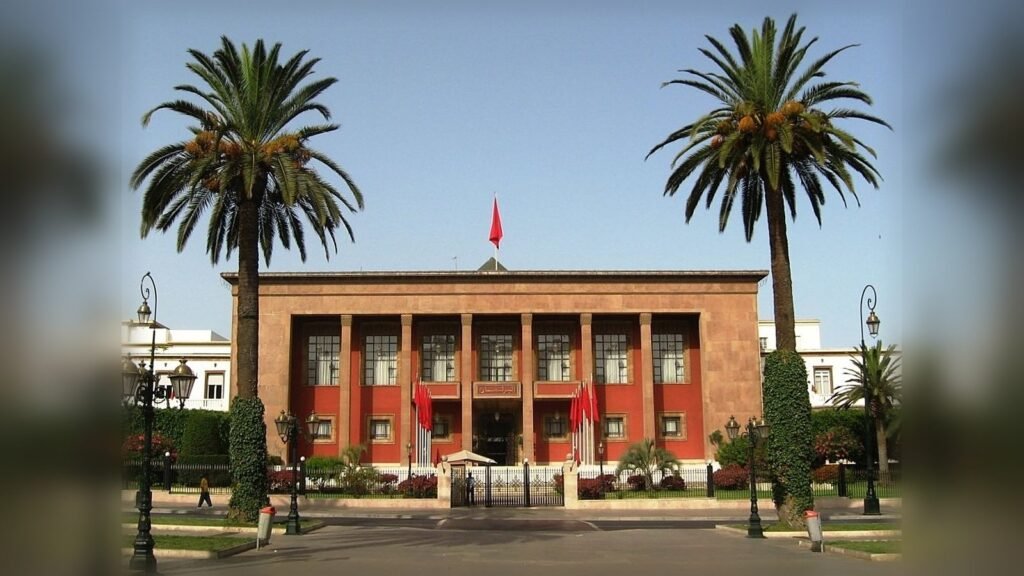
Source: GPSmyCity
Eligibility for direct social aid will be based solely on household income by the middle of the government’s term, Minister of Economy, Finance and Public Performance Fouzi Lekjaa said on Friday, October 30, during debate on the 2027 finance bill in the House of Representatives.
Before the Finance and Economic Development Committee, the minister said the current eligibility index had already replaced assessments built on administrative certificates with a system measuring household spending.
Exceptional spending excludes families
That approach has a flaw, according to Lekjaa: households can lose their aid after a one-off expense, even when their income has not actually improved. To fix this, the government plans to drop certain variables from the index and gradually bring income into the calculation. A new approach will be put to MPs for discussion.
Four million households currently receive direct social aid, with a minimum payment of 500 dirhams, the minister recalled. The government is considering raising that floor in stages, starting at 600 dirhams in the first year and reaching 1,000 dirhams, taking inflation and economic pressures into account.
Lekjaa also stressed the need to help beneficiary households move into work. The aid, he said, should support economic integration rather than turn into permanent assistance. He added that he was open, if needed, to extending the period set by the law governing the scheme once it is revised.
4.1 million with suspended health cover
The minister also reviewed basic compulsory health insurance (AMO). According to the figures he presented, 32.7 million people, or 89% of the population, are registered with an insurance scheme, while 28.6 million, equivalent to 78% of residents, have active entitlements.
Among those registered, 4.1 million have had their rights suspended over unpaid contributions. A further 4.1 million people belong to no scheme at all. Lekjaa called for these cases to be handled according to each person’s ability to pay, alongside a review of the databases and checks on the reliability of the figures.
Public hospitals’ share of spending
Beyond enrolment, the minister pointed to the need for real access to care. Public hospitals currently account for less than 10% of health-coverage spending, he said, a share he believes should reach at least 50%, while private clinics absorb a large portion.
He also pointed to the role of the territorial health groups (GST), meant to allow doctors to practise across a wider territorial framework.