Lekjaa: food exports must be regulated to keep prices reasonable at home
Economy Minister Fouzi Lekjaa told the House of Representatives that food exports must be regulated so staples stay available at reasonable prices.
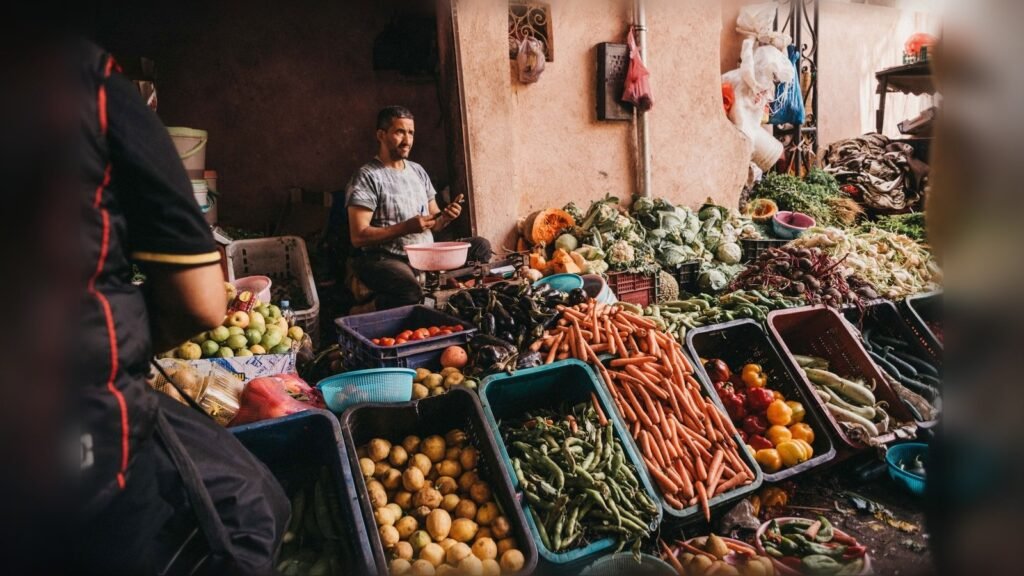
Photo: archive
Food exports need to be regulated and framed so that basic goods remain available on the domestic market in sufficient quantities and at reasonable prices, Fouzi Lekjaa, Minister of Economy, Finance and Public Performance, told the House of Representatives on Friday.
The minister was responding to parliamentary groups during the general discussion of the 2027 finance bill in the Committee on Finance and Economic Development. He also called for reform of the channels through which food products are marketed.
Exports after seven dry years
After seven consecutive years of drought, Lekjaa said, doubling export volumes could not be considered while prices on the home market are soaring.
Tackling rising prices, he argued, requires several measures working together: regulating exports, modernising wholesale markets, linking production areas with consumption areas, and overhauling the marketing of meat and fish. Export rules, he added, should be drawn up in consultation with stakeholders, producers in particular, so that citizens’ daily needs are met at reasonable prices.
Lekjaa stressed that this approach does not mean returning to the former model embodied by the Office de commercialisation et d’exportation (OCE), nor does it call private enterprise into question. The aim, he said, is for “initiative to be present at every level and in every field”.
Twelve wholesale markets to modernise
On wholesale markets, the minister said 12 of them need modernising so that traders can choose where they source goods and set their own selling prices, while competition within the markets is preserved. The government’s vision for managing these markets is ready and open for discussion, he said.
Regional companies for distribution
Lekjaa pointed to the high cost of moving goods from production areas to consumers, a link in the chain he attributed to a mismatch between what is billed and the expenses actually incurred. Under the proposed approach, the State would guarantee this connection without directly handling buying and selling.
He raised the idea of connecting production and consumption areas through regional companies in order to shorten the distance between producer and consumer. The government remains open to proposals on how to organise this link, he said, and is prepared to examine its orientations with MPs, in the presence of the ministers concerned, and to make the necessary amendments.
The minister warned that the reforms must be carried out as a whole, since applying some measures in isolation could concentrate intermediation activities at one particular link in the chain.