Divorce cases in Morocco climb to 154,377 in 2025, judiciary council says
Divorce cases in Morocco rose 4.38% to 154,377 in 2025, the Supreme Council of the Judiciary says, as researchers call for marriage preparation programmes.
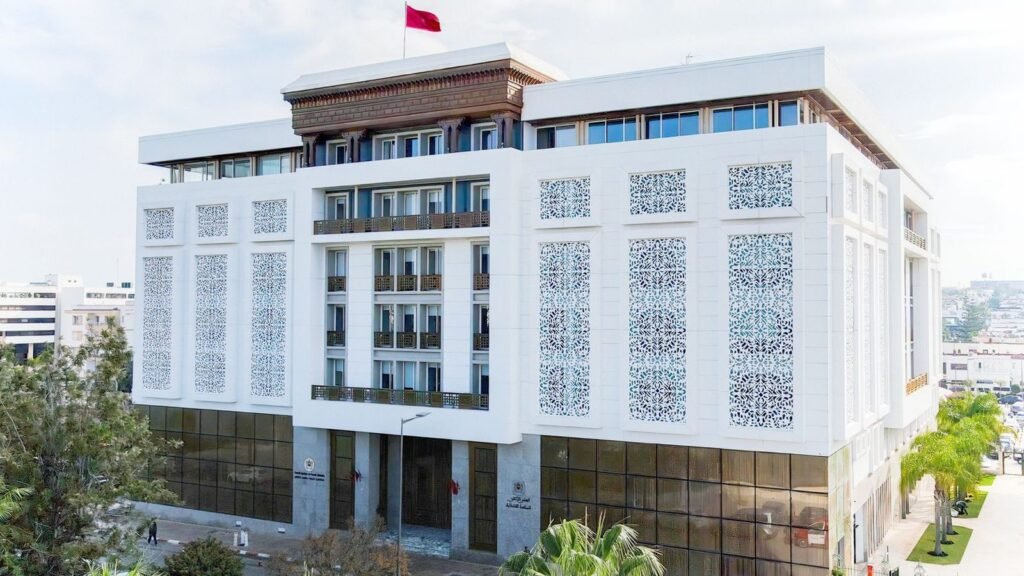
Photo: Supreme Council of the Judiciary
Divorce cases in Morocco reached 154,377 in 2025, up 4.38% on the previous year, according to the annual report of the Supreme Council of the Judiciary (CSPJ), recently published in the Official Bulletin of the Kingdom.
The figure covers all cases of divorce and judicial divorce registered at family court sections and judicial centres. It marks a rebound after a slight dip in 2024, when the total fell 2.17%, from 151,168 cases in 2023 to 147,895. Last year’s count was 6,482 cases higher than in 2024.
Judicial divorce drives the increase
The Family Code distinguishes between talaq, defined in Article 78 as the dissolution of the marriage bond exercised by either spouse under judicial supervision and requiring court authorisation before it is recorded, and tatliq, a dissolution ordered by a court ruling at the request of one spouse on grounds set out in the code.
Talaq cases edged up from 40,028 in 2023 to 40,212 in 2024, a rise of 0.46%, and grew by a further 1,252 cases in 2025. Tatliq cases dropped 3.11% in 2024, from 111,140 to 107,681, before climbing 4.86% to 112,911 last year.
Consensual divorce and shiqaq dominate
Within talaq, consensual divorce accounted for 40,211 cases in 2025, or 96.97% of the total, compared with 38,858 (96.63%) in 2024 and 38,783 (96.89%) in 2023. Divorce before consummation came a distant second, with 1,173 cases in 2025 (2.83%). Revocable divorce, khul’ and tamlik each stayed under 100 cases, together making up 0.3%.
The council pointed to a clear shift in how marriages end, with couples favouring consensual divorce for its procedural flexibility and because it tends to reduce conflict and limit the social and psychological effects of separation, particularly on children.
Among judicial divorces, the shiqaq (irreconcilable differences) procedure accounted for 110,454 cases in 2025, or 97.82%, up from 104,898 (97.42%) in 2024. All other grounds, including harm, absence, non-payment of maintenance and defect, together stayed below 2%.
Calls for prevention and protection
The figures have prompted civil society activists and family researchers to urge the new government to act. Mohamed Habib, a researcher in social psychology and family issues, said the rise calls for moving beyond a legal and judicial approach towards a preventive social and psychological one. He described divorce as a phenomenon shaped by economic pressure, changing values and expectations, and difficulties in communication.
He proposed public centres for psychological and marital counselling and family mediation, staffed by qualified specialists, along with programmes preparing engaged couples for married life. He also called for stronger housing support, jobs and social protection for young families, more effective mediation within family courts so reconciliation attempts are not a formality, and an integrated national family policy.
Bishra Abdo, president of the Challenge Association for Equality and Citizenship, said reducing divorce first requires real protection from violence against women, which she said is rising sharply. She called for Law 103.13 on combating violence against women to be amended with strict provisions.
Abdo also urged greater social support for poor families, saying poverty worsens maintenance disputes until they reach the courts, and argued that local authorities share this role with the government. She said the divorce procedure in the upcoming Family Code should remain as it is, with procedures ideally limited to shiqaq and consensual divorce.