Morocco-China investment partnership expands during Beijing talks
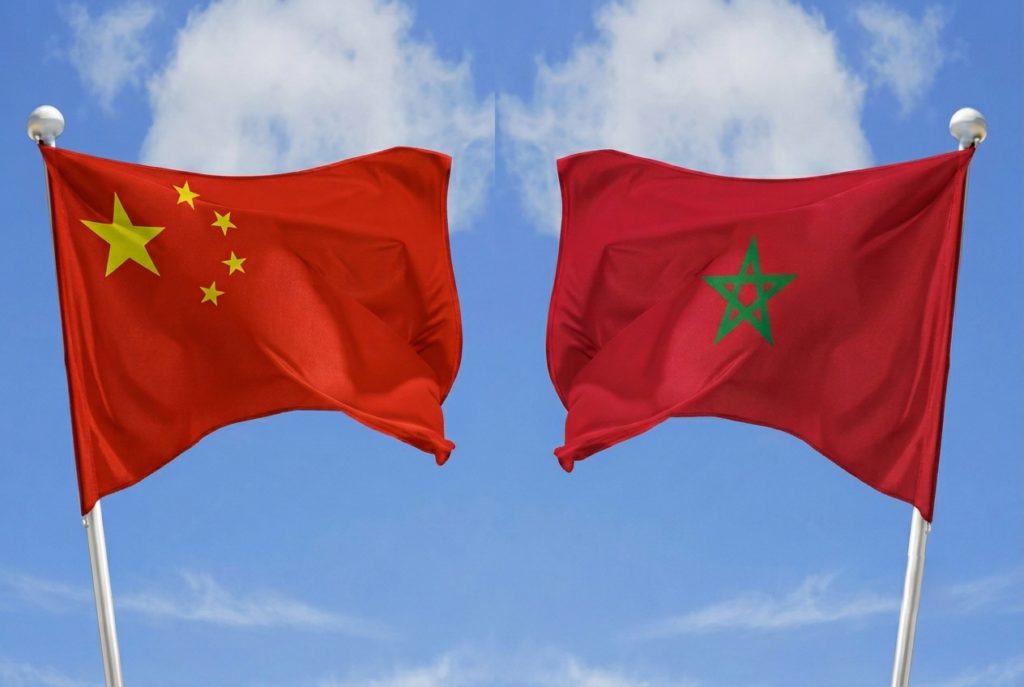
Morocco and China have strengthened their economic dialogue during high level talks held in Beijing, marking a renewed push for industrial cooperation, infrastructure development, and foreign investment flows across strategic sectors.
The discussions took place on the sidelines of the fourth edition of the International Supply Chain Expo in Beijing, an event that brought together more than 1,200 companies and institutions from 85 countries and regions. The forum highlighted global supply chain restructuring, with Morocco positioning itself as a competitive hub between Africa, Europe, and Asia.
Karim Zidane, Minister Delegate for Investment, Convergence and the Evaluation of Public Policies, met Ren Hongbin, head of the China Council for the Promotion of International Trade, known as CCPIT. The meeting also included Morocco’s ambassador to China, Abdelkader El Ansari.
Morocco presented an expanded investment offer aimed at Chinese companies. The proposal focuses on industrial projects, transport infrastructure, logistics platforms, and production zones integrated into global value chains. Authorities emphasized a structured framework designed to support investors from project design to execution.
Officials underlined Morocco’s ambition to reinforce its position as a stable and predictable destination for foreign capital. They highlighted regulatory reforms and incentive mechanisms introduced under the national investment charter. The policy prioritizes productive sectors, job creation, and regional development.
During the talks, official figures revealed that 381 investment projects have been approved, with a total value close to 580 billion dirhams, equivalent to about 62 billion dollars. These projects are expected to generate more than 245,000 jobs across multiple regions.
Chinese investment remains present but still limited compared to other major partners. Direct investment from China reached around 2 billion dirhams in 2025, reflecting gradual but steady growth in confidence among Chinese firms operating in Morocco.
Karim Zidane linked this momentum to long term economic reforms led by His Majesty King Mohammed VI. He stressed that Morocco is accelerating efforts to attract high value investments that contribute to industrial transformation rather than low cost assembly activities.
The minister also invited Chinese companies to benefit from Morocco’s incentive framework to develop integrated industrial ecosystems. These ecosystems aim to strengthen linkages between local suppliers and international markets, improving competitiveness across export oriented sectors.
Infrastructure development formed another central pillar of the discussions. Morocco presented major national projects connected to preparations for the FIFA World Cup 2030, a tournament organized jointly by Morocco, Spain, and Portugal. These investments include transport modernization, logistics expansion, and urban mobility systems.
The cooperation agenda also extends beyond bilateral ties. Moroccan officials emphasized a broader Morocco China Africa framework designed to support industrial development across the African continent. This approach aims to build shared production chains and encourage balanced partnerships with regional impact.
The Beijing forum comes at a moment when global supply chains are undergoing restructuring. Countries are competing to attract manufacturing relocation, diversify suppliers, and secure logistics corridors. Morocco is positioning itself as a nearshoring destination linked to European markets and increasingly connected to Asian industrial networks.
Chinese companies attending the expo showed growing interest in sectors such as automotive components, renewable energy, and advanced manufacturing. These areas align with Morocco’s industrial strategy, which seeks to move up the value chain and reduce dependency on low complexity exports.
The talks concluded with a shared commitment to deepen coordination between public and private actors. Both sides signaled interest in accelerating project implementation and expanding cooperation in infrastructure and industry over the coming years.