Bank Al-Maghrib forecasts Morocco inflation at 1.5% in 2026
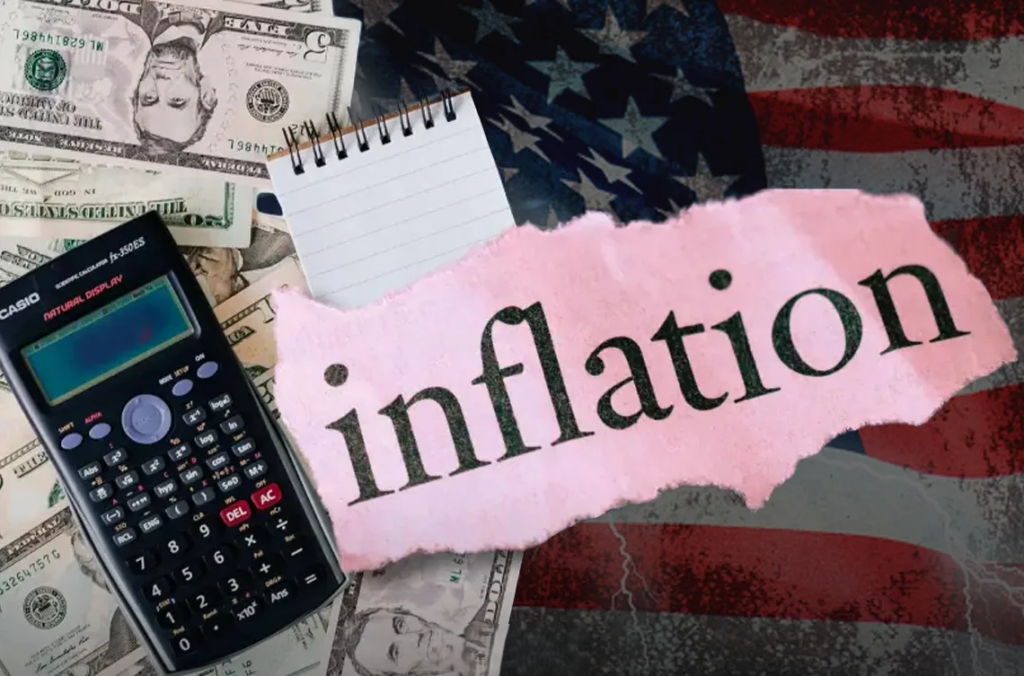
Morocco inflation is expected to remain under control over the next two years, according to new forecasts released by Bank Al-Maghrib, the country’s central bank.
Bank Al-Maghrib projects that inflation will average 1.5% in 2026 before increasing to 2.1% in 2027. The institution expects higher energy costs, rising fuel prices, and imported inflation to place upward pressure on domestic prices. Despite these factors, overall price growth is expected to stay moderate.
The central bank also forecasts that core inflation, which excludes volatile food and energy prices, will remain very low at 0.2% in 2026. This outlook reflects lower food prices during the period. However, core inflation is expected to accelerate to 2.9% in 2027 as food-related deflation fades and imported price pressures strengthen.
According to Bank Al-Maghrib’s quarterly survey of financial sector experts, inflation expectations increased slightly during the second quarter of 2026. Respondents anticipate inflation averaging 2.2% over both the eight-quarter and twelve-quarter forecasting horizons.
Morocco has experienced a slowdown in inflation compared with the sharp increases recorded during recent global economic disruptions. International energy market volatility and supply chain pressures previously contributed to higher consumer prices. The effects of the conflict between the United States and Iran also pushed global energy costs upward, affecting import-dependent economies.
As a country that relies heavily on imported energy, Morocco remains exposed to fluctuations in international oil and commodity markets. Changes in these markets directly influence transportation expenses, production costs, and consumer prices.
The latest projections indicate that inflationary pressures are unlikely to disappear entirely. However, Bank Al-Maghrib believes they will remain manageable over the medium term. The forecast is consistent with the central bank’s monetary policy strategy, which aims to preserve price stability while supporting economic growth.
The expected increase in inflation during 2027 highlights imported inflation and energy costs as the main risks facing the Moroccan economy. Economists continue to view global market developments as a key factor shaping Morocco inflation trends in the years ahead.