


Abu Dhabi Opens Licensing for Energy Aggregators
Abu Dhabi’s Department of Energy says its 2025 demand response pilot cut peak load by 251MW on average, paving the way for energy aggregator licensing.
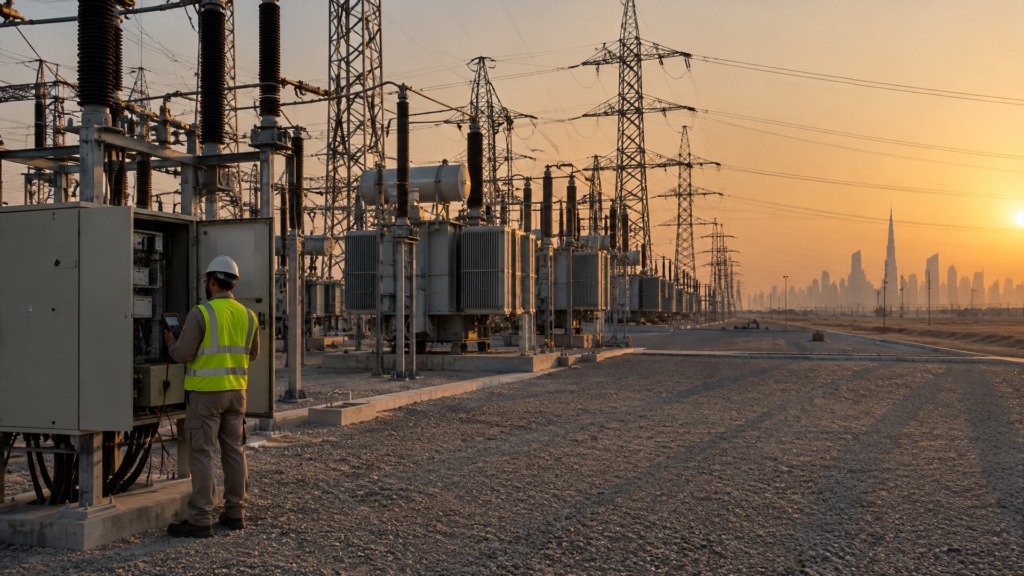
Illustrative image
Companies operating in Abu Dhabi can now apply for a license to work as energy aggregators, under a new regulatory framework the Abu Dhabi Department of Energy (DoE) announced in a statement on Monday, November 9. The announcement came alongside results from a demand response trial run last year.
That trial, the 2025 Demand Response Pilot Project, lowered the emirate’s electricity load by 251MW on average, with a peak reduction of 401MW. A year earlier, the average stood at 106MW. More than 30 entities drawn from various economic sectors in the emirate took part, according to the department.
27GWh shaved off peak demand
The DoE put the drop in consumption during peak hours at roughly 27GWh. It estimates that around 4,000 tonnes of carbon dioxide equivalent were kept out of the atmosphere as a result.
Participants were compensated through credits deducted from their TAQA Distribution electricity bills. By encouraging users to cut demand when the grid is under the most strain, the department said, Abu Dhabi can avoid turning to extra generation capacity that is both costly and carbon-heavy, while making fuller use of existing infrastructure.
Flexible capacity offered by participants exceeded 408MW in total. They came from sectors including steel and other metals, oil refining, cement production, industrial gas supply, logistics, commercial property and district cooling, and took part in both the pilot and the final rollout phases.
Part of the work involved direct load control tests, which the DoE described as a first for the region. Schools, universities, factories and district cooling operators hosted these tests, which measured how quickly loads could be adjusted and how well the technologies performed.
From 2019 strategy to licensing
The project falls under the Load Management Programme of the Abu Dhabi Energy and Water Efficiency Strategy 2030, launched in 2019. The Demand Response Policy and Regulatory Framework followed in 2022. The new aggregator licensing rules are meant to protect consumers while generating commercial returns for the emirate’s economy, the department said.
Eng. Ahmed Al Falasi, Executive Director of the Energy Efficiency Sector at the DoE, said the emirate is aiming for an integrated system that keeps supply reliable and uses resources efficiently as demand for power grows alongside the economy.
“For the first time in the region, a comprehensive, regulated energy aggregator licensing programme is being launched, opening new markets that attract investment and strengthen demand flexibility and security of supply.”
The department said it is now working with the Emirates Water and Electricity Company and other stakeholders to examine whether virtual power plants and AI tools could make demand management still more flexible.
 Assem Laalami Brings Twenty Years of Film and Studio Work to THE E.L Signature
 Family Code reform: Kenitra lawyer urges government to send bill to Parliament
 CAF Awards 2026: Hanane Ait El Haj leads Morocco’s nominations in four categories
 Waitrose Christmas ad: Keira Knightley in wedding gown in sequel teaser
 Rabat: Mansouri sets up interministerial committee to monitor prices



Comments (0)