


Tidsi Gaz LPG terminal nears launch to bolster Morocco’s gas security
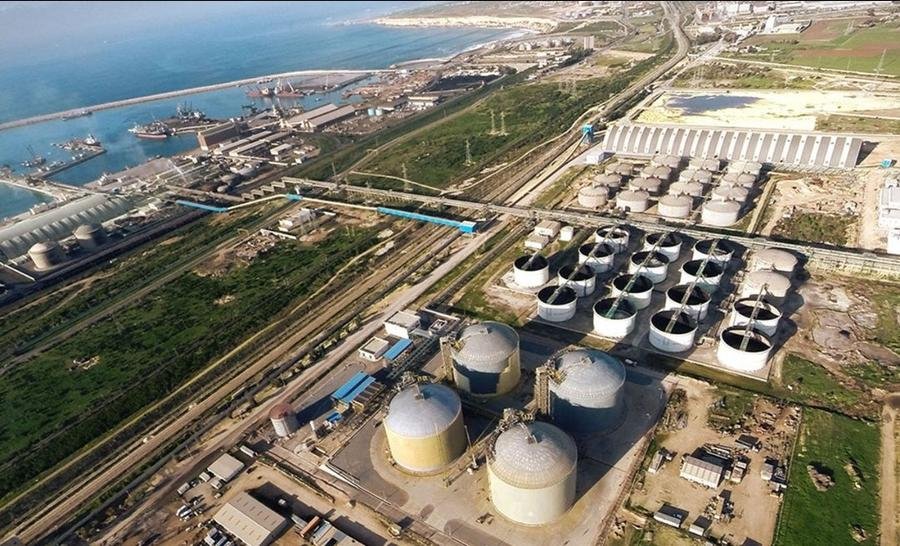
Photo: archive
The “Tidsi Gaz” project, one of Morocco’s leading liquefied petroleum gas (LPG) infrastructure projects, has made major progress and is now 98 percent complete, TotalEnergies Marketing Maroc, Vivo Energy Maroc and Akwa Group announced at the end of the week. The project is expected to enter operation in the coming period, helping to strengthen the Kingdom’s energy security and support economic momentum in the Souss-Massa and Guelmim-Oued Noun regions.
The project responds to steadily rising demand for LPG, a key source of energy for households that is also widely used in agriculture and industry. It aims to create a modern terminal that meets the highest standards of safety, quality and sustainability, ensuring uninterrupted supply to the market and improving the logistics behind gas distribution.
During a site visit, officials from the three companies said the “Tidsi Gaz” project is a long-term strategic investment that will make energy supply to the regions more reliable and improve logistical efficiency in the southern provinces, while also helping to drive economic and social development and making the area more attractive to investment and partnerships.
The project covers an area of around 15 hectares and is located some 60 kilometres from the port of Agadir. It has an annual LPG filling capacity of 100,000 tonnes and a storage capacity of 2,000 cubic metres spread across five tanks. It also features modern equipment, including filling units, truck-loading stations, maintenance workshops and administrative facilities, which will help cut transport costs and raise the quality of gas distribution services across the provinces of the south.
The project is expected to create around 150 direct, permanent jobs and 100 indirect jobs, in addition to more than 200 jobs during the construction phase. It is also expected to boost the competitiveness of the regional economy, secure the energy needs of productive sectors and reduce transport-related carbon emissions, in line with national policies aimed at achieving sustainable development and accelerating the energy transition.
 CAF Awards 2026: Hanane Ait El Haj leads Morocco’s nominations in four categories
 BYD’s Yangwang U9 Xtreme wrecked on a closed track before 500 km/h attempt
 Rabat: Mansouri sets up interministerial committee to monitor prices
 Touria Laalioui-Mbarek wins Paris-Brest Grand Prix with a Moroccan twist
 Nador: Marchica Med plans 585 million dirham DoubleTree resort on lagoon


Comments (0)