Brazzaville: Morocco presents its AfCFTA strategy to Central African forum
Morocco’s AfCFTA strategy was presented in Brazzaville by Ambassador Najoua El Berrak, who set out four priority sectors and the hurdles facing intra-African trade.
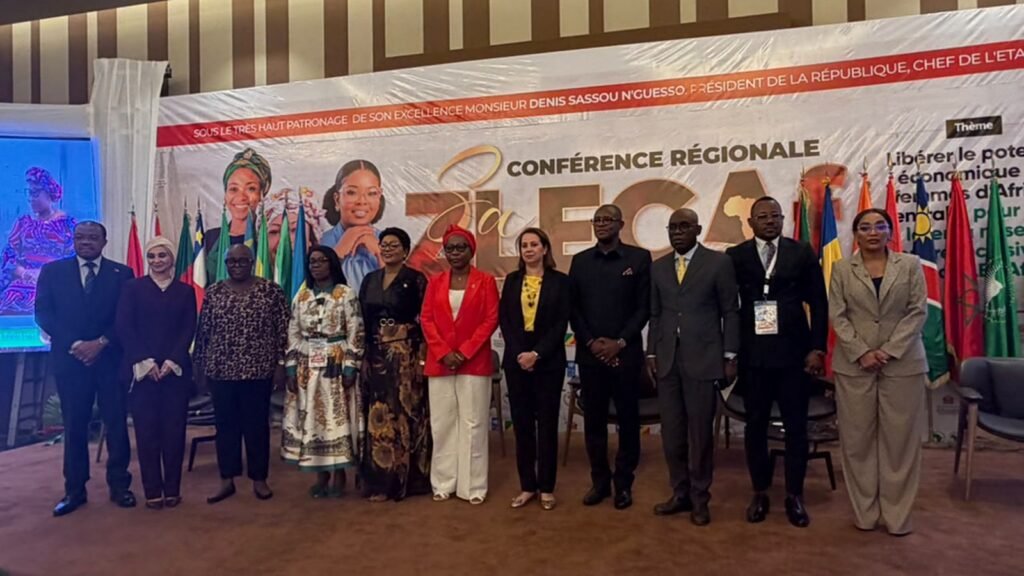
Photo: MAP
Morocco’s approach to implementing the African Continental Free Trade Area (AfCFTA) took centre stage at a sub-regional conference for Central Africa that opened on Wednesday in Brazzaville, where the Kingdom’s ambassador to the Republic of the Congo, Najoua El Berrak, set out its strategy.
The gathering, titled “Sa ZLECAf”, focuses on the continent’s economic growth and on giving women and young entrepreneurs a bigger share of a market of nearly one and a half billion people. Speakers pointed to the Kingdom’s standing as a key economic player within the zone.
From ratification to strategy
Addressing a round table on national experiences and good practice in domesticating the AfCFTA, El Berrak traced the steps Morocco has taken: ratifying the Kigali agreement that created the zone, then setting up a national implementation committee.
The national AfCFTA strategy was launched in early 2025, drawing in the relevant ministries and the private sector. In the same year, Morocco formally joined the preferential trade mechanisms provided for under the agreement, the ambassador said.
“Morocco did not wait for the legal procedure to end before getting ready.”
Drawn up with support from the Economic Commission for Africa, the strategy singles out four sectors with potential for regional value chains: agriculture and agri-food, automotive, pharmaceuticals, and transport and logistics.
Support for exporters
El Berrak also described customs measures, the application of the protocol on trade in goods, simpler procedures for exporters and business support through awareness campaigns, training on rules of origin and prospecting missions to several African countries.
That support rests on practical tools, she said: partnerships with Moroccan banks operating in Africa, a fund backing investment abroad, and Tanger Med, Africa’s leading container port.
Persistent obstacles
“Despite the progress recorded, several challenges remain,” the diplomat said, pointing to weak trade between African countries, which accounted for only about 14% of the continent’s trade.
Non-tariff barriers are still widespread, she added, citing diverging standards, complex procedures, high transport costs and inadequate connectivity infrastructure. With continental negotiations still open, including on some rules of origin and on services, she stressed the need to link the AfCFTA with existing bilateral and regional agreements. “Morocco offers a method we can draw inspiration from,” she said.
The opening ceremony, attended by institutional actors, financial partners and many entrepreneurs, featured a video on the struggle of African leaders for the continent’s independence, among them the late His Majesty King Mohammed V, recalling pan-African leadership and the case for stronger intra-African trade.
The conference brings together African trade ministers, technical and financial partners and business figures. Discussions have centred on lowering customs barriers and boosting the participation of women in regional value chains, with the aim of opening sub-regional markets to women-led firms. It is expected to conclude with the adoption of a “Declaration of Brazzaville” and a regional roadmap setting out priority actions, stakeholder responsibilities, monitoring mechanisms and the funding to be mobilised.