



Guarana, cat’s claw, baccharis: four Amazonian plants for winter, and their limits
Guarana, cat’s claw, baccharis and muira puama are Amazonian plants that specialists cite for winter use, along with doses and contraindications.
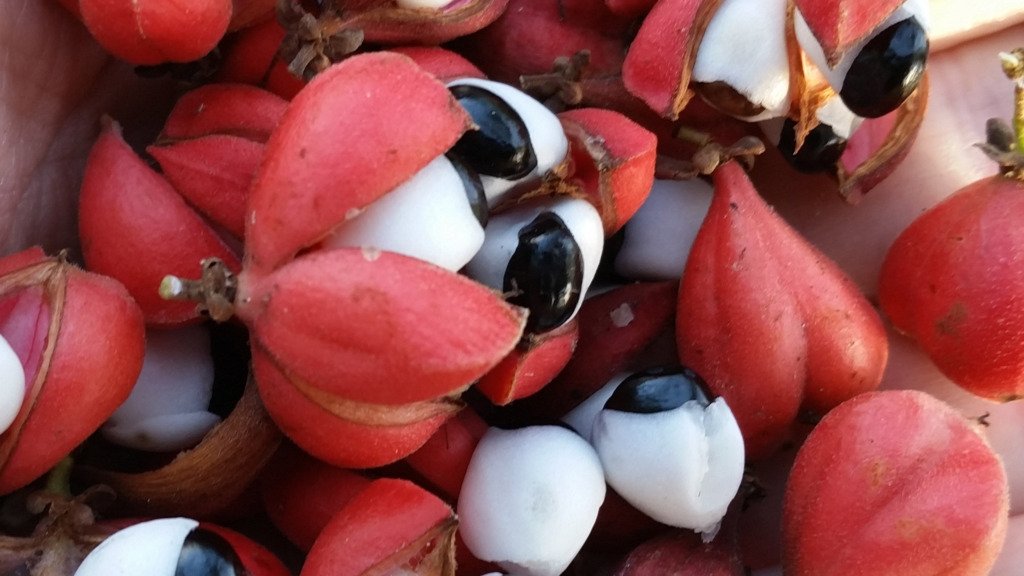
Photo: Top Tropicals
Four plants from the Amazon basin, guarana, cat’s claw, baccharis and muira puama, are drawing attention as possible aids for the colder months. Each has a specific use, a set of recommended doses and a list of people who should avoid it, according to French specialists in herbal medicine.
These specialists stress one condition above all others: anyone considering these plants should first consult a doctor or pharmacist, since their active compounds can interact with medication.
Guarana for energy
Guarana is a shrub whose seeds contain more caffeine than coffee or tea. That caffeine, also known as guaranine, acts on the central nervous system. “Caffeine stimulates the central nervous system, notably dopamine, a neurotransmitter involved in wakefulness and physical and mental energy,” said Françoise Couic Marinier, a pharmacist and aromatherapist.
The seeds also contain tannins, which slow the body’s absorption of caffeine and produce a longer-lasting stimulation without overexcitement. Guaranine is also described as an appetite suppressant that lowers cholesterol by increasing lipolysis, the release of fats into the blood to be burned as energy.
The suggested use is one teaspoon of powder stirred into muesli or juice, without exceeding 2 g a day, or capsules taken in the morning and at midday. Because of its stimulant effect, it should not be taken after 3 p.m. It is not advised for people with untreated high blood pressure, those prone to palpitations or anyone who cannot take caffeine.
Cat’s claw for joint pain
Known locally as unha de gato, cat’s claw takes its name from thorns shaped like claws. Amazonian shamans regard it as a cure-all. Its bark and roots are rich in polyphenols, including flavonoids and tannins, with anti-inflammatory and antioxidant properties, and are used against osteoarthritis, arthritis and other rheumatic pain.
The plant also contains rhynchophylline, an alkaloid that may raise dopamine and serotonin levels, two neurotransmitters linked to relaxation and the perception of pain.
Recommended doses are 1 to 2 g a day as capsules or powder, 1 to 2 ml of mother tincture one to three times daily, or two cups of decoction a day made with one teaspoon of bark in 250 ml of water. Evening doses are discouraged, as its effect on dopamine could disturb sleep.
Cat’s claw is not recommended for pregnant or breastfeeding women, people with autoimmune diseases because it stimulates immunity, transplant recipients given the risk of rejection, or patients on anticoagulants, since the plant slightly thins the blood.
Baccharis for the liver
Amazonian tribes value baccharis as a cleansing plant. Its stems and flowers hold more than 150 compounds, including bitter substances supporting digestion, among them carquejol, a monoterpenol that boosts bile production and protects cell membranes from oxidation. They also contain antioxidant and anti-inflammatory flavonoids, and the plant is said to have slimming and blood-pressure-lowering effects through its diuretic action.
It can be taken as one teaspoon of powder in a cold or lukewarm drink once a day, as capsules (900 mg daily) before meals, or as a decoction of 10 to 15 g of dried flowers and stems in one litre of water. It is not advised during pregnancy or breastfeeding, and is contraindicated for diabetics and people on blood-pressure medication, as it can amplify the drugs’ effects and lead to overdose.
Muira puama and libido
Indigenous peoples of the Amazon have long used this shrub as a tonic and against erectile problems. Its bark and roots contain alkaloids (muirapuamine), polyphenols and essential oils that dilate blood vessels, improving circulation and oxygen supply to muscles. It also provides sterols that activate receptors for hormones such as testosterone.
A 1994 study by Dr Jacques Waynberg of the Paris Institute of Sexology involved 262 men with low sexual desire. After only two weeks on 1 to 2.5 g of plant extract, more than 60% reported an improvement and half saw better erections.
“Muira puama is also appreciated by women to reduce the symptoms of menopause and premenstrual syndrome.”
That observation comes from Rafaela Tillier, a Brazilian naturopath and author of a book on remedies and rituals of the Amazon rainforest.
Suggested doses are 1,000 to 2,000 mg of powder morning and midday, or 30 drops of mother tincture two to three times a day. A decoction can be made with one tablespoon of bark and root in half a litre of cold water, boiled for five minutes, then left to steep off the heat for 10 minutes, with two to three cups drunk daily. It is not advised for pregnant or breastfeeding women, people with high blood pressure or heart disease, those with a history of hormone-dependent cancer or endometriosis, or patients taking steroid hormones or antidepressants.
Medical advice first
Phytotherapist Dr Jean-Michel Morel said seeking advice matters all the more because “the effects of these plants (with the exception of guarana) are still often partly unknown and distribution channels sometimes uncertain.” Specialists advise against buying them from unfamiliar websites.
 BYD’s Yangwang U9 Xtreme wrecked on a closed track before 500 km/h attempt
 Boualem Sansal in Rabat: Morocco is “an outstanding country in every field”
 Amine Harit: Marseille Revival Puts Atlas Lions Return Back on the Table
 Treviso: Italian-Moroccan International Festival closes 12th edition
 Nador: Marchica Med plans 585 million dirham DoubleTree resort on lagoon


Comments (0)