
Keeping young children safe from drowning at home: simple steps that help
Child drowning prevention starts at home: buckets, tubs and wells. Practical steps that help reduce the risk, according to the WHO.
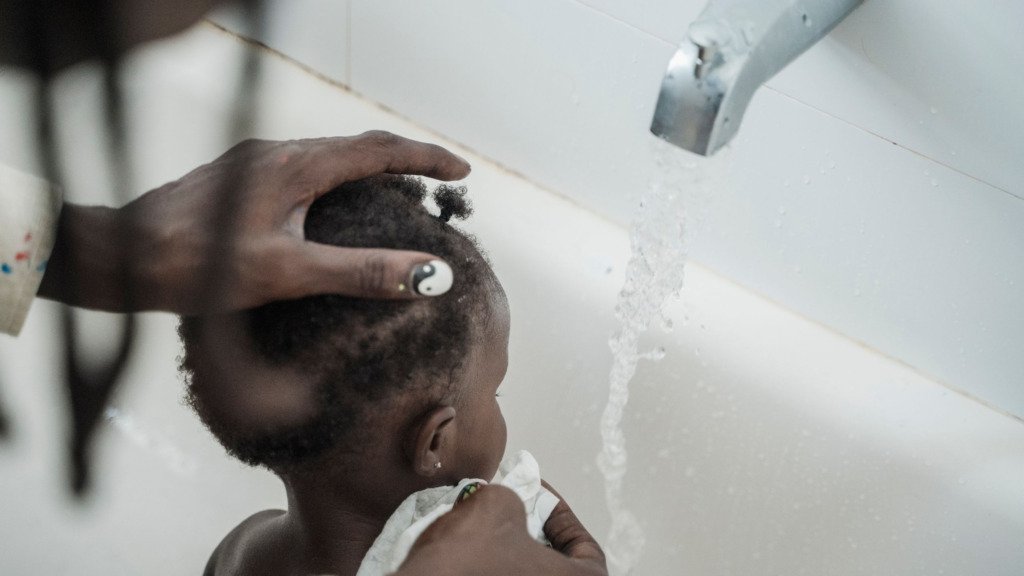
Illustrative image · Photo: Sasha Kim / Pexels
Drowning is often linked to beaches and pools, yet a toddler can get into danger in very little water at home: a bucket left in the courtyard on laundry day, a bathtub, a basin, or an uncovered well in a rural house. Young children cannot judge risk and have not learned to swim.
According to the World Health Organization (WHO), children under five account for almost a quarter of all drowning deaths worldwide. The good news is that simple measures at home help reduce this risk considerably.
Practical steps to take today
First: never leave a young child alone near water, not even for a minute, during bath time, laundry or cleaning. Supervision should be active: an attentive adult within arm’s reach, not distracted by a phone.
Second: empty buckets, basins and tubs straight after use. Anything that must stay filled should be kept where the child cannot reach it.
Third: if your home or farm has a well or water tank, cover it with a sturdy lid that a child cannot move.
Fourth: put barriers at the doors to the bathroom, courtyard or terrace, use a playpen when you are busy, and fence off any swimming pool.
Fifth: when you cannot watch the child yourself, leave them with a trusted adult whose job is to supervise, or in a supervised day-care setting.
Sixth: once your child reaches school age, enrol them in lessons on basic swimming, water safety and safe rescue, in a safe place with trained instructors.
When to talk to a health professional
To learn first aid and safe rescue and resuscitation techniques, ask a doctor or your nearest health centre about training.
Take a few minutes today to walk through your home and spot every source of open water. It is one of the simplest ways to protect a child.