
Seat belts and child car seats on every trip, front and back: a family guide
Seat belts for everyone, front and back, and a child car seat on every trip: simple steps that help protect your family, according to the WHO.
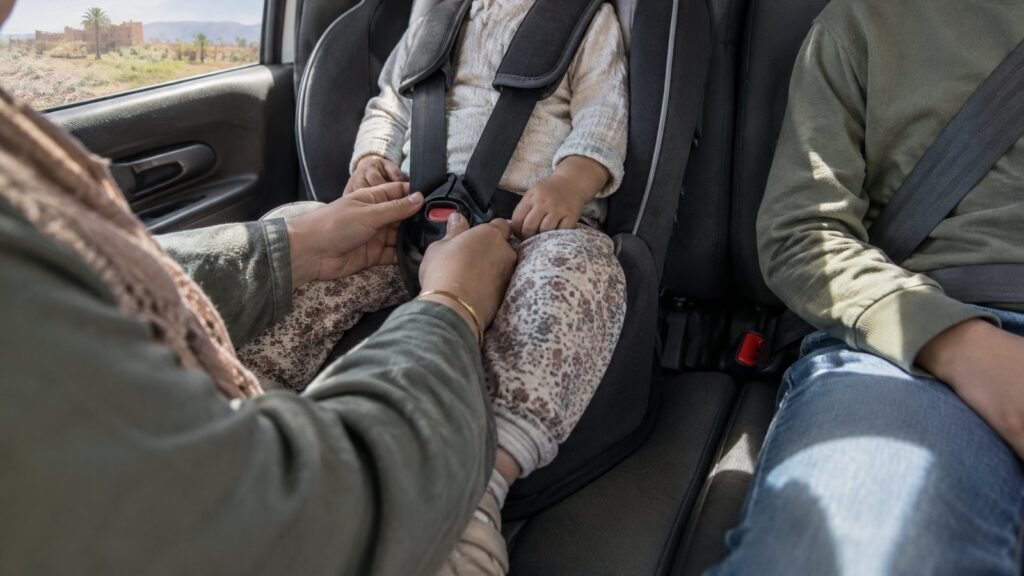
Illustrative image
Whether it is a quick run to the market or a long drive to see relatives, the few seconds it takes to buckle up matter. Many people wear a belt on the motorway but skip it in town, and children still too often ride loose in the back seat.
According to the World Health Organization (WHO), wearing a seat belt can reduce the risk of death among vehicle occupants by about 50%. The WHO also stresses that child restraints help protect infants and young children.
Steps you can take today
First: make buckling up the first thing you do when you sit down, and check that every passenger, front and back, is belted before you start the engine.
Second: never hold a baby or small child on your lap. Use a car seat suited to the child’s age and size, even for a short trip.
Third: fit the child seat firmly and check its straps before every journey; a loose seat cannot do its job properly.
Fourth: lead by example. When parents always buckle up, children learn that the seat belt is not optional.
Fifth: check that every seat belt in the car, including in the back, is in good condition and locks correctly.
When to seek medical help
After any crash, even a minor one, see a doctor or go to the nearest health centre if a passenger, especially a child, feels pain, dizziness or unusual tiredness. The WHO notes that fast care after a crash is critical.
A fastened belt and a secure child seat are two simple habits that help keep the whole family safer on every trip.