Digital Morocco 2030: researcher Saïd al-Ghammaz warns of “two-speed Morocco
Researcher Saïd al-Ghammaz says Digital Morocco 2030 is undermined by hybrid bureaucracy, a rural digital divide and weak uptake among private companies.
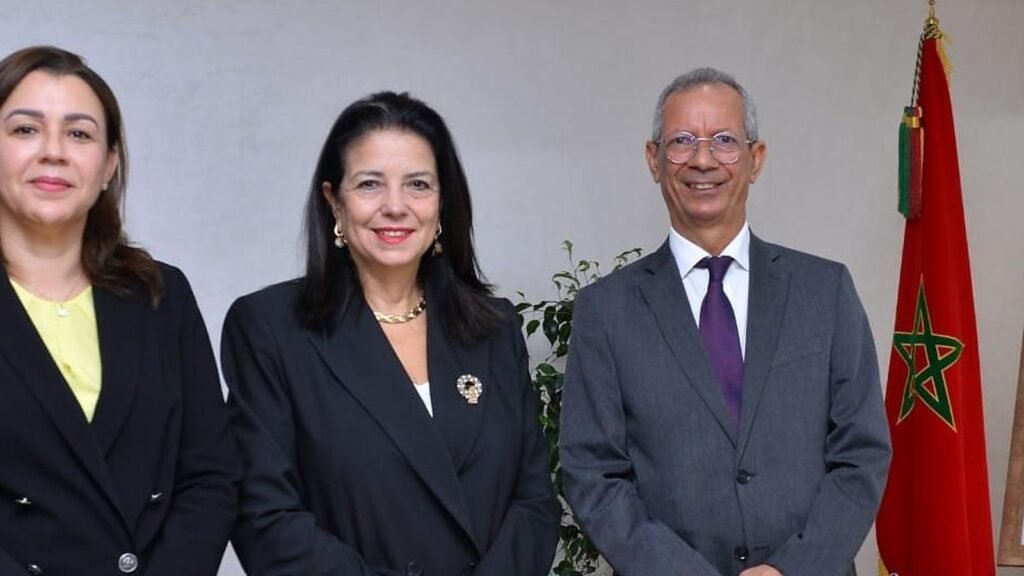
Photo: Ministry of Digitalization and Innovation
Digital Morocco 2030 is widely praised abroad as an ambitious strategy, but its rollout on the ground faces structural failings that keep citizens and the economy from reaping its full benefits, according to Saïd al-Ghammaz, a researcher specialising in digital transformation.
The Kingdom, he said, stands at a decisive crossroads in its digitalisation drive.
“Hybrid bureaucracy” in public offices
al-Ghammaz sharply criticised what he called a “hybrid bureaucracy” inside public administration. Citizens are asked to enter their data on a modern online platform, he explained, only to then print paper documents and carry them in person to administrative offices.
Genuine digitalisation, in his view, requires full interconnection between sectors so a user submits a given document only once, instead of repeating the same steps at every administration. He described this as the core standard of transparency and public-service efficiency seen in successful international experiences.
Warning of a digital divide
The researcher warned against entrenching a “two-speed Morocco”, where large cities enjoy very high connection speeds while villages and remote areas remain digitally isolated.
Leaving investment entirely to private telecom operators, he argued, means decisions follow profitability, and commercially unattractive areas get ignored. He called on the supervising ministry to intervene firmly and repeat the approach once used for mobile telephony, by allocating 5% of operators’ profits to fund internet infrastructure and digital platforms in rural areas.
Targets and the e-government ranking
al-Ghammaz noted that the strategy aims to create around 240,000 jobs, add nearly 100 billion dirhams to GDP, and lift Morocco into the top 50 of the United Nations e-government index. The country currently ranks 102nd worldwide, a position he said limits its ability to attract foreign direct investment.
Strong infrastructure, weak impact
Citing the latest World Bank report, he pointed to a paradox: Morocco counts 41 million internet subscribers, 3.2 million 5G subscribers and more than 8,400 cellular transmission sites, yet the economic impact of all this equipment remains very small.
Fewer than one in five private-sector companies, under 20%, have digital platforms or use digital tools in their business, he said.
al-Ghammaz concluded that the private sector cannot lead this transition alone, and that the State and the relevant government departments must steer what he called a sovereign and strategic project. He urged swift action to identify and fix the shortcomings so the national strategy does not stall.