Morocco’s PÔLE TEC unveils roadmap and begins Scientific Tower construction
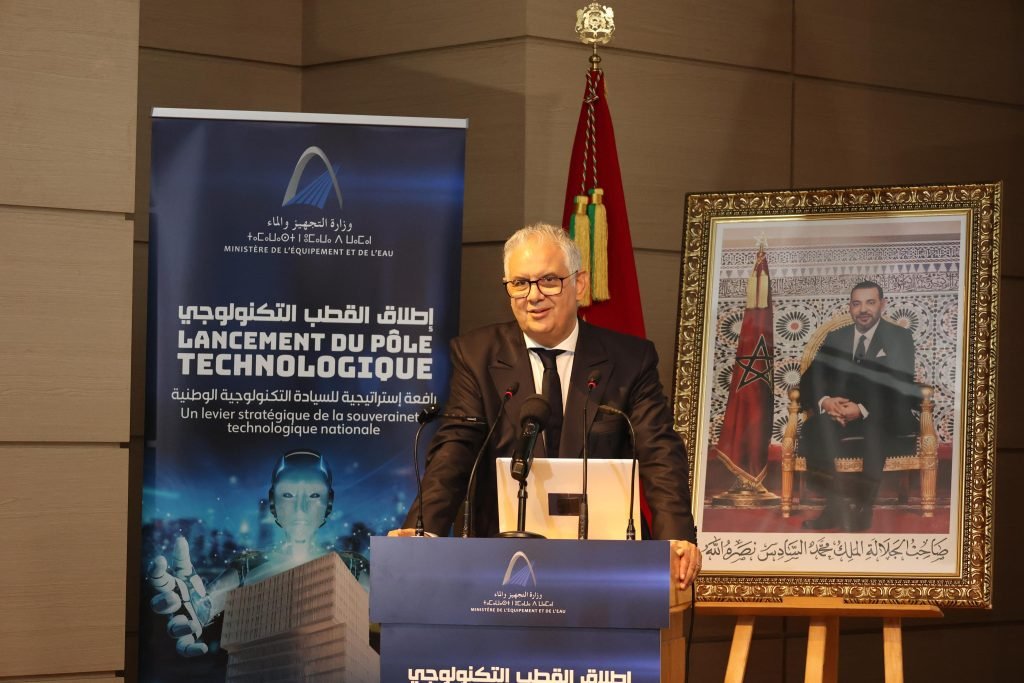
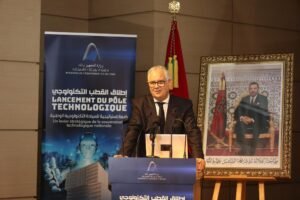
The Ministry of Equipment and Water has presented the first-year results of Morocco’s PÔLE TEC while unveiling its strategic roadmap for the coming years and officially launching construction of its Scientific Tower in Casablanca. The initiative marks a new phase in the country’s efforts to strengthen technological sovereignty and accelerate research-driven innovation in water, infrastructure, and digital technologies.
The announcement was made during an event hosted at the Hassania School of Public Works (EHTP) under the theme “Technological Hub: An established foundation, an open trajectory.” The ceremony highlighted the progress achieved since the creation of the public interest grouping on July 11, 2025, and outlined its long-term ambitions under the Ministry of Equipment and Water’s Vision 2040.
Created to unite scientific research, engineering, innovation, technology transfer, and strategic intelligence within a single governance structure, PÔLE TEC aims to develop practical solutions capable of addressing Morocco’s major infrastructure and environmental challenges.
Minister of Equipment and Water Nizar Baraka said the initiative reflects the ministry’s evolving role beyond infrastructure management toward becoming a producer of technical knowledge, engineering standards, and innovative solutions. He stressed that mastering data, technology, and specialized expertise has become a strategic priority for strengthening national resilience, supporting technological autonomy, and accompanying the country’s ongoing transformation in water management, infrastructure development, and digitalization.
The minister added that the project aligns with the strategic orientations of King Mohammed VI and seeks to position innovation as a central pillar of public policy.
Secretary-General of the ministry and President of PÔLE TEC Abdelfattah Sahibi reviewed the organization’s achievements during its first year. He said the institution successfully established its governance framework, administrative, legal, and financial foundations while launching several applied research projects in strategic fields.
He also emphasized the importance of stronger cooperation between public institutions, universities, research centers, and scientific partners to create an integrated innovation ecosystem capable of supporting sustainable development and technological competitiveness.
Jaouad Boutahar, Director of the Hassania School of Public Works, said the anniversary provided an opportunity to assess the first scientific and technological results achieved through collaboration between EHTP, the Public Laboratory for Testing and Studies (LPEE), and Conseil Ingénierie et Développement (CID). He noted that the complementary expertise of these institutions is being used to develop solutions tailored to the needs of Morocco’s equipment and water sectors.
During the event, researchers and experts presented nine applied research projects illustrating the first tangible achievements of PÔLE TEC. The projects focus on artificial intelligence, digital twins, advanced technologies, water resource management, and smart infrastructure. They are designed to transform scientific research into operational applications that directly support public policies.
The ceremony also marked the official launch of construction of the Scientific Tower, which will serve as the technological hub’s main research and innovation center. The facility will bring together research teams, experimental platforms, and training spaces in a single environment intended to encourage collaboration among scientists, engineers, and institutional partners. It is expected to become one of Morocco’s leading national centers dedicated to innovation in water management, infrastructure, and emerging technologies.
The event gathered Minister of Transport and Logistics Abdessamad Kayouh, Casablanca-Settat Regional Council President Abdellatif Maâzouz, senior officials from public institutions, private sector representatives, professional federations, and academic researchers. Their participation reflected broad support for building a national ecosystem capable of advancing applied research, strengthening Morocco’s technological competitiveness, and supporting the country’s major development projects.