World Bank says Morocco posts strongest economic growth in over a decade
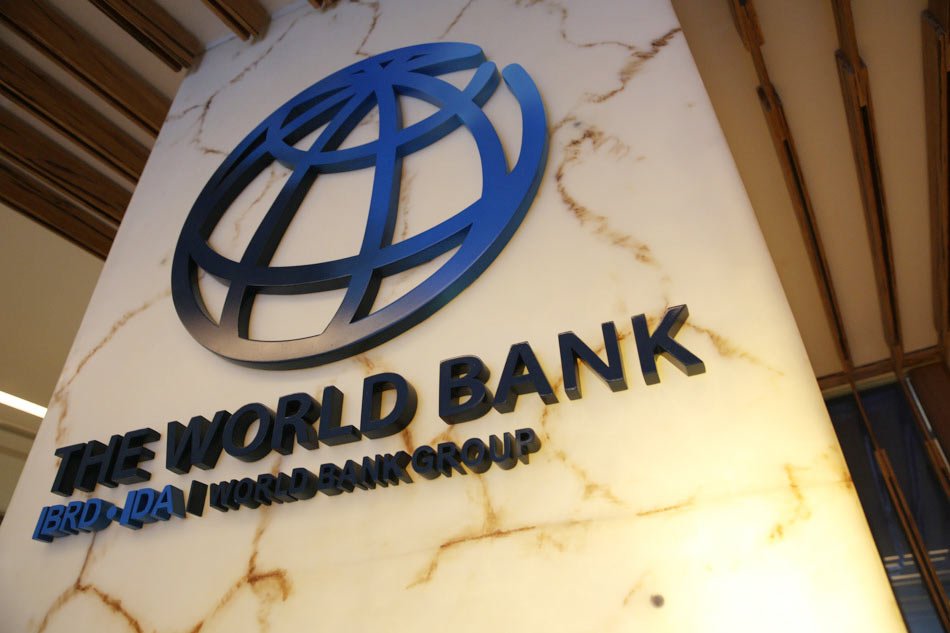
Morocco recorded its strongest economic growth in more than a decade in 2025, driven by large-scale infrastructure investment and the recovery of the agricultural sector, according to a new World Bank report.
The Morocco economic growth report estimates that real GDP expanded by 4.9% in 2025, marking the country’s best performance in over ten years. The growth was supported by increased public investment linked to preparations for the 2030 FIFA World Cup and the early recovery of agricultural activity following previous difficult seasons.
The findings appear in the latest edition of the World Bank’s Morocco Economic Monitor Summer 2026, titled Sustaining Growth: Digital Transformation as a Driver of Productivity.
The World Bank projects Morocco’s economy to remain resilient in 2026, with GDP expected to grow by 4.2%. Continued investment and strong domestic demand are expected to remain the main engines of expansion.
The report says Morocco’s macroeconomic fundamentals remain solid but stresses that the country’s next productivity gains will largely depend on how widely businesses adopt advanced digital technologies.
According to the World Bank, Morocco has demonstrated remarkable economic resilience and established a solid growth trajectory. However, maintaining this momentum will require targeted reforms aimed at unlocking new sources of productivity.
The institution describes digital transformation as the country’s most powerful tool for boosting long-term competitiveness, noting that Morocco already possesses both the ambition and the foundations needed to accelerate this transition.
Despite the positive outlook, the report identifies several external risks. Rising energy import costs and higher freight prices resulting from the conflict in the Middle East have reduced Morocco’s growth by an estimated 0.8 percentage points compared with the country’s pre-conflict trajectory.
Economic performance also remains closely linked to the pace of recovery among Morocco’s major European trading partners, whose demand continues to influence exports and industrial activity.
Inflation has eased significantly, falling to just 0.8%, helping reduce financial pressure on households and businesses after several years of elevated prices.
Public finances have also improved. The fiscal deficit declined to 3.5% of GDP, while Standard & Poor’s recently upgraded Morocco’s sovereign credit rating to investment grade, reflecting stronger fiscal management and increased investor confidence.
The report’s thematic chapter highlights that Moroccan businesses have made progress in adopting digital tools, but fewer than one in five companies currently use advanced technologies in an integrated way. These include enterprise software, customer relationship management platforms and e-commerce solutions.
According to the World Bank, expanding digital adoption could deliver substantial economic benefits. Companies that make intensive use of digital technologies can achieve productivity gains of up to 70%, create jobs 10% faster and pay average wages about 27% higher than less digitally advanced firms.
The report concludes that narrowing Morocco’s digital gap with comparable economies could raise overall productivity by between 10% and 15%, strengthening the country’s long-term growth potential and competitiveness.