Morocco accelerates e-invoicing and digital payments rollout
Morocco’s transition toward e-invoicing is gaining momentum as authorities and financial institutions push forward with the digitalization of financial transactions, a move increasingly viewed as essential for business competitiveness and economic modernization.
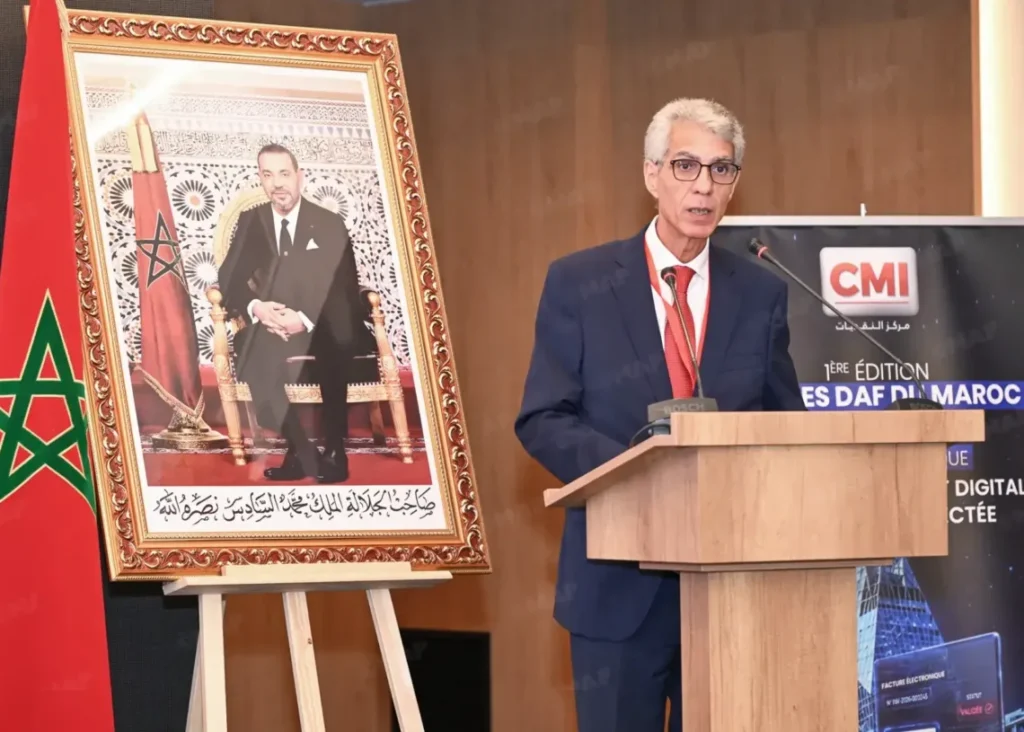
Speaking at the inaugural Rendez-vous des CFO/DAF du Maroc in Casablanca, Rachid Saihi, Director General of the Interbank Electronic Banking Center (CMI), said Moroccan companies are operating in an environment shaped by digital transformation, automation, artificial intelligence, changing consumer habits, and stricter compliance requirements.
The event, held under the theme “E-facture, paiement digital et finance connectée,” brought together representatives from public institutions, banks, payment providers, accounting firms, financial departments, technology companies, software developers, and organizations involved in digital transformation initiatives.
Saihi noted that financial systems, enterprise management platforms, banking services, and payment infrastructures are becoming increasingly interconnected. He said the next phase of development will allow invoices to be issued, validated, paid, reconciled, and analyzed almost instantly through highly automated processes.
The rapid expansion of digital payments illustrates the scale of Morocco’s transformation. Electronic payment transactions have increased from approximately MAD 1 billion in 2003 to nearly MAD 280 billion today. CMI platforms now handle more than 500 million transactions each year, representing over MAD 320 billion in financial flows.
El Hadi Chaibainou, Director General of the Professional Group of Banks of Morocco (GPBM), described invoice digitalization as a central component of a broader economic transformation already underway across the country.
He pointed to Morocco’s Digital 2030 strategy and highlighted progress in the digitalization of public services, particularly initiatives implemented by the General Directorate of Taxes for online tax declarations, payments, and monitoring procedures.
Morocco has also intensified preparations for the nationwide deployment of an e-invoicing system. During 2026, tax authorities continued developing a framework designed to standardize invoices, improve transaction traceability, and enable real-time validation as part of wider efforts to modernize tax administration and strengthen digital governance.
According to Chaibainou, these advances reflect coordinated action among public institutions, private sector stakeholders, banks, monetary authorities, and the broader financial ecosystem.
He added that digitalization is delivering concrete benefits for businesses and citizens, including stronger financial inclusion, simplified administrative procedures, and improved operational efficiency.
The growing adoption of artificial intelligence and digital technologies is also expected to reshape financial management roles. Chief financial officers and finance directors are likely to spend less time on routine administrative tasks and more time supporting strategic decision-making and business development.