
Breast reduction tied to better sexual function, review finds
Breast reduction surgery raised women’s average sexual function score by 13.27%, according to a pooled analysis in The Journal of Sexual Medicine.
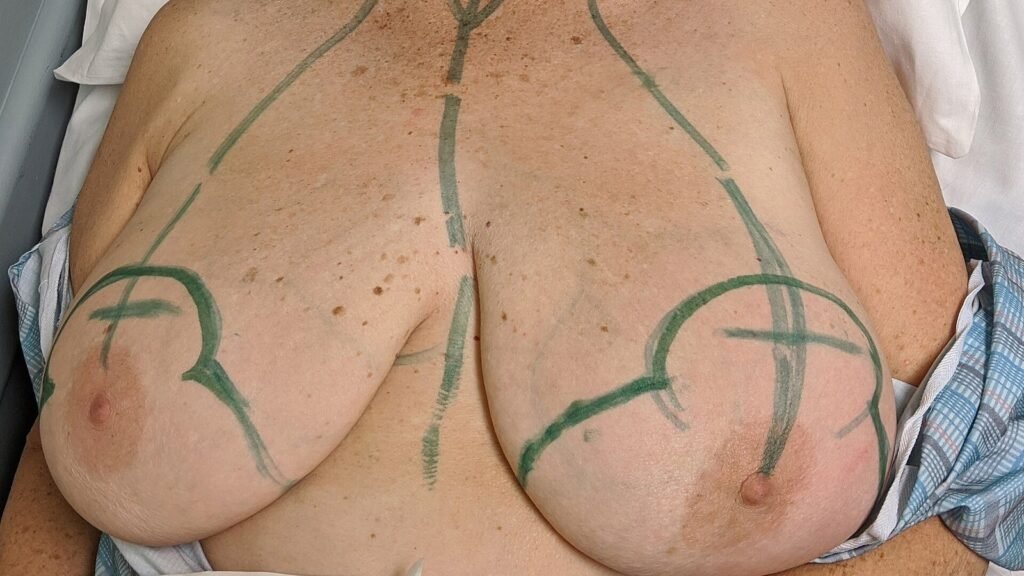
Photo: AnonPixeler / Wikimedia
Women’s average sexual function score rose by 13.27 percent after breast reduction surgery, according to a pooled analysis published in The Journal of Sexual Medicine.
The research team, made up of Mahdiye Taheri, Zahra Ghorbani, Fatemeh Alavi-Arjas, Maryam Firouzabadi and Hamid Alavi Majd, gathered 13 studies covering 676 participants. Nine of them showed improved sexual function after the operation. The remaining four found no notable change. The 13.27 percent figure itself comes from eight studies whose questionnaires were close enough in design to be combined.
Some individual results stood out. One study found that 62.5 percent of women had clinical sexual dysfunction before the procedure, a share that dropped to 21.4 percent afterward. A prospective study carried out in the United States recorded improvement in more than 68 percent of the women it tracked.
The authors limited their search to research published up to April 2025, focusing on otherwise healthy women whose very large breasts, a condition known as macromastia, caused physical symptoms. Operations carried out as part of cancer treatment, or for gender affirmation, were excluded.
Two explanations stand out. Relieving chronic pain removes a physical distraction during intimacy, while an improved body image can ease the habit of anxiously watching one’s own appearance during sex. The researchers also cite a large database study in which 29.5 percent of patients were taking antidepressant or anti-anxiety medication after surgery, down from 46.3 percent beforehand.
The evidence still has limits. Most of it comes from observational studies, which can point to a link but cannot prove the surgery caused the improvement. Sample sizes were often small, typically under 50 women, and follow-up in most cases lasted only three to six months.