
Morocco turns to record onion imports after weak harvests
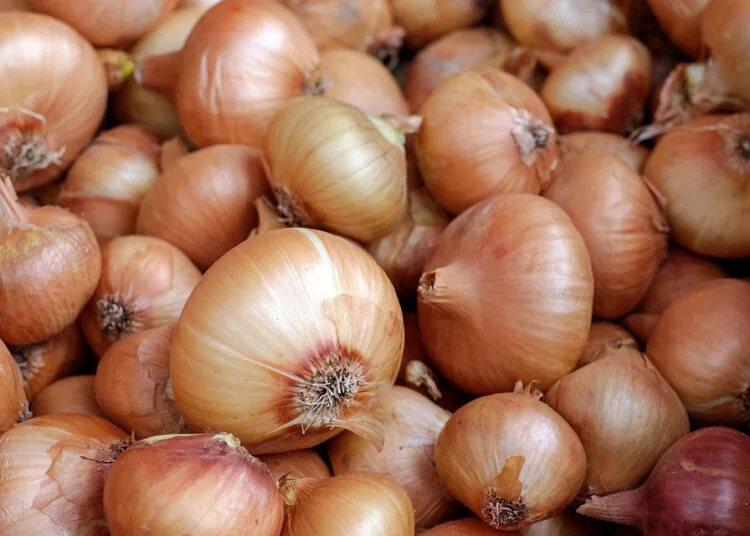
Morocco has imported record volumes of fresh onions in recent months as authorities seek to stabilize domestic supplies and reduce pressure on local markets following a difficult agricultural season.
According to data from EastFruit, Morocco imported 21,600 tons of fresh onions between July 2025 and April 2026. The shipments were valued at MAD 85.5 million, equivalent to $9.4 million.
The increase in imports comes as the country works to address supply shortages linked to lower domestic production. Unfavorable weather conditions, prolonged drought, and rising production costs have affected yields across several agricultural regions.
Morocco received some relief from heavy rainfall and storms between mid November of the previous year and February 2026. The precipitation improved water reserves and supported agricultural activity. However, flooding and related disruptions also created challenges for farmers in different parts of the country.
The latest import figures represent a notable shift for Morocco, which has traditionally been a net exporter of onions. The country is now relying more heavily on imports to meet local demand and maintain market stability.
The rise in purchases from abroad also reflects concerns about the effects of climate variability on agricultural output. Reduced rainfall and water scarcity have increased pressure on farming operations, particularly in areas dependent on irrigation.
Imports are also intended to help stabilize consumer prices after periods of volatility in local markets. Supply fluctuations have contributed to higher food costs in recent years.
Despite the record import levels, industry observers consider the trend a temporary response to exceptional conditions rather than a lasting change in Morocco’s onion sector, which remains an important part of the country’s vegetable industry.
The situation nevertheless underscores broader challenges facing Moroccan agriculture as it adapts to changing climate conditions, water shortages, and growing domestic demand.