Morocco fuel storage plan aims to strengthen energy security
Morocco is moving to reinforce its energy system through a major investment program focused on expanding fuel storage capacity, an area long viewed as a structural weakness in the country’s energy sector.
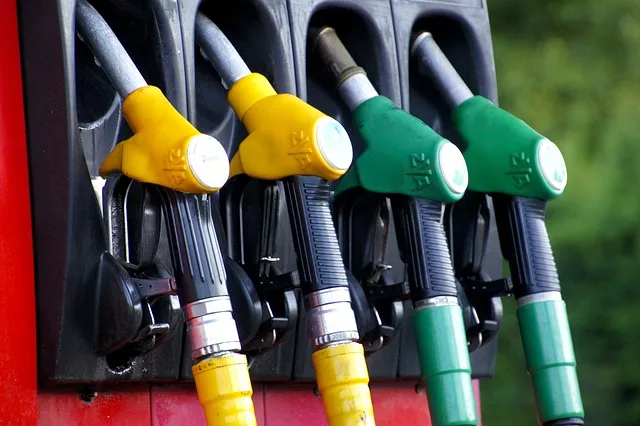
Speaking before parliament, Minister of Energy Transition and Sustainable Development Leila Benali outlined a government plan to invest MAD 6 billion, approximately $640 million, to increase fuel storage infrastructure nationwide. The Morocco fuel storage plan seeks to build stronger strategic reserves across regions and reduce the country’s vulnerability to disruptions in global oil markets.
Benali said Morocco has already improved its storage capabilities in recent years. Between 2021 and 2025, national storage capacity increased by more than 30%. Current petroleum reserves are sufficient to cover more than 17 days of domestic demand.
The new investment program aims to further increase reserve levels and provide greater protection against supply shocks and market volatility. Authorities view expanded storage capacity as a key tool for strengthening energy security and ensuring a more stable supply of petroleum products.
Lawmakers also raised concerns about fuel company profits, the impact of energy prices on household purchasing power, and the management of strategic reserves. Benali linked these issues to broader reforms of the hydrocarbons sector, arguing that stronger storage infrastructure contributes to market stability and improved supply management.
The minister said her department maintains regular coordination with regulatory bodies, including the Competition Council and the General Directorate of Taxes. Government agencies exchange information on fuel stocks, storage capacity, and other market indicators to improve oversight and monitoring of the sector.
Benali also placed current reforms within the context of Morocco’s fuel price liberalization process launched in 2015. She noted that several supporting measures were not implemented at the time, creating structural weaknesses that persisted in the market.
Since 2021, the government has introduced measures aimed at addressing some of those shortcomings. However, officials acknowledge that further legal, regulatory, and institutional reforms remain necessary.
The Morocco fuel storage plan forms part of a broader effort to improve supply security, strengthen market regulation, and enhance the country’s resilience to future energy disruptions. Authorities increasingly view long-term infrastructure investment as essential to protecting the national economy from external shocks and ensuring stable access to fuel supplies.