
Japan backs Moroccan doctor’s implant for transplant rejection
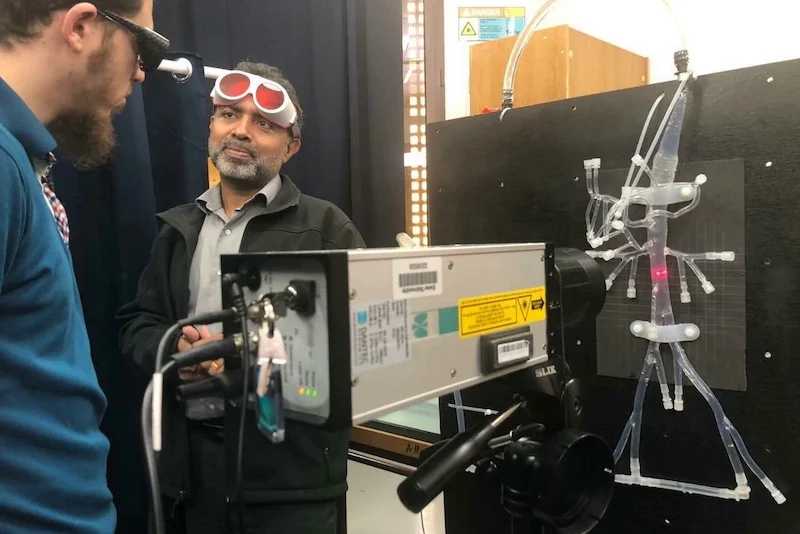
Youssef El Azzouzi’s latest patent win in Japan gives fresh momentum to an unusual medical device that aims to filter white blood cells from inside blood vessels, a design pitched as a new way to reduce organ rejection and improve precision immunotherapy.
The timing matters. Japan remains a major medical technology market, and coverage around the patent has framed the approval as a notable validation of the device’s originality, especially after earlier recognition from the World Intellectual Property Organization in 2025.
At the center of the invention is an implant that works like a smart stent. It changes blood flow inside an artery so immune cells become less aggressive as they pass through, with the goal of protecting transplanted organs and directing therapeutic immune cells more precisely to targeted tissues.
Reports also say the device has already gone through animal testing, with the inventor citing limited clotting and no visible inflammation, while patent protection is now being pursued in other major markets, including the United States, China and the European Union.
The story sits at the intersection of biotechnology, transplantation medicine and the broader race for next generation immune therapies. It also reflects a wider trend in health innovation, where companies are increasingly trying to move treatments from external machines to smaller implantable systems that act directly inside the body.
The next stage will be whether the technology can clear human trials and translate its patent success into clinical use.