
Iran war funding request faces resistance in Congress
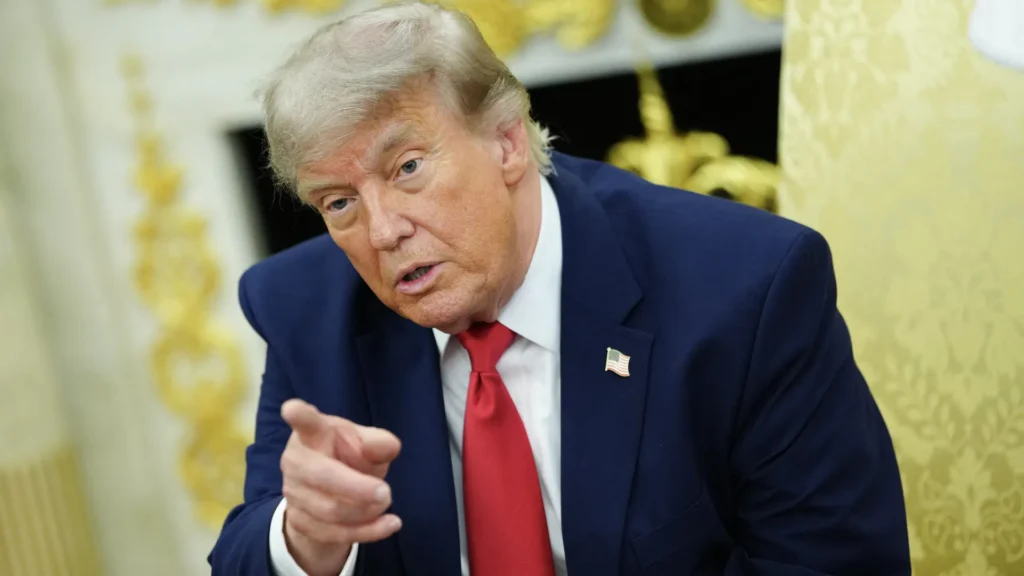
The Iran war funding debate intensified after US President Donald Trump asked Congress to approve $87.6 billion in additional spending, with most of the funds earmarked for military operations linked to the conflict with Iran.
The White House Office of Management and Budget submitted the request on Wednesday, one day after Congress approved a resolution criticizing the administration’s military campaign against Iran. The proposal arrives amid growing political scrutiny over the conflict’s cost, duration, and strategic objectives.
According to figures cited by the administration, approximately $67 billion of the requested package would be allocated to the Department of Defense. Officials said the funding is necessary to support urgent military requirements tied to Operation Epic Fury, the ongoing US military campaign targeting Iran.
The proposal includes $21 billion for munitions procurement, $17.3 billion for operational expenses, and $12.1 billion for classified defense programs. The administration also requested nearly $300 million to reinforce security measures at US embassies and diplomatic facilities across the Middle East and South Asia.
Beyond military spending, the package contains funding for domestic and international priorities. It allocates $11 billion in assistance for American farmers and $1.4 billion to support efforts against the Ebola outbreak in Central Africa.
The request comes during a politically sensitive period. Although a ceasefire between Washington and Tehran remains in effect, the conflict continues to face public skepticism ahead of the November midterm elections.
The issue has also revealed divisions within the Republican Party. Several Republican senators joined Democratic lawmakers in backing a resolution that urged the president either to end military operations or seek explicit congressional authorization before continuing the war effort.
Among the Republicans supporting the measure was Senator Bill Cassidy of Louisiana. Cassidy later disclosed that he had challenged Trump during a private meeting on Capitol Hill, arguing that the administration had not sufficiently explained the war’s goals to the public and noting that the conflict had lasted longer than initially anticipated.
However, after receiving additional briefings from senior administration officials, Cassidy reversed his position and voted against a subsequent war powers resolution in the Senate.
Trump dismissed the earlier congressional vote, describing it as ineffective and poorly timed. He also criticized Republican lawmakers who backed the measure, accusing them of weakening the national war effort.
Despite growing opposition, the White House maintains that additional funding is required to replenish military equipment and rebuild stockpiles depleted during months of operations.
Last month, Pentagon Chief Financial Officer Jules Hurst estimated that military operations related to the conflict had already cost about $29 billion. Some lawmakers and defense analysts contend that the total financial burden may be substantially higher.
The funding proposal now faces a challenging legislative process as lawmakers continue to debate the war’s long-term costs, political consequences, and strategic direction despite the current ceasefire.