Bayt Mal Al-Qods summer schools promote Palestinian olive tree heritage
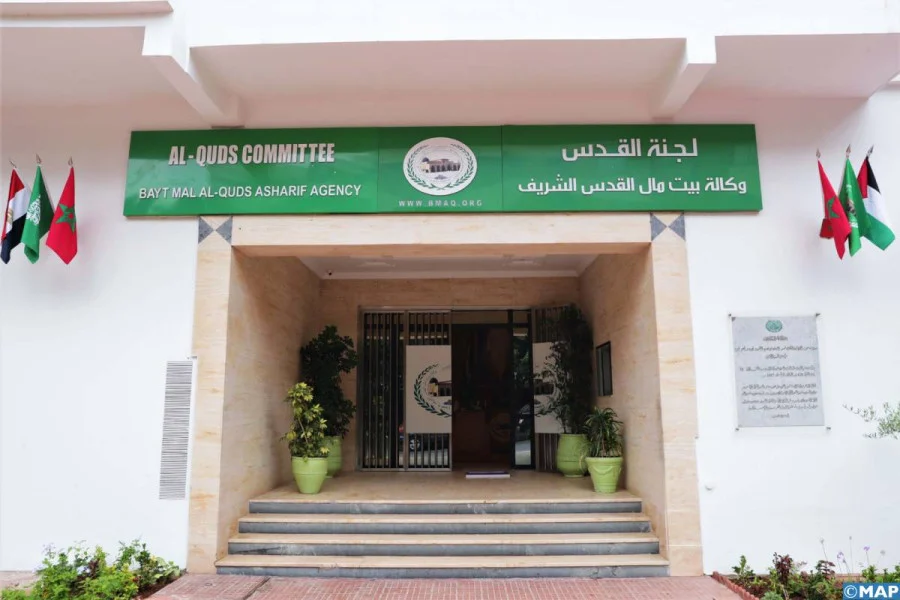
The Bayt Mal Al-Qods summer schools program marked a day dedicated to the Palestinian olive tree through an environmental awareness campaign for children attending the Arab Orphan School in Jerusalem. The initiative is organized with the support of the Bayt Mal Al-Qods Acharif Agency and the Moroccan Cultural Center Association as part of the program’s second week of activities.
The campaign introduced children to the historical, cultural, and national significance of the olive tree in Palestine. A representative from the Directorate of Agriculture led an educational session explaining how the olive tree has become a symbol of resilience, identity, and attachment to the land.
Children also participated in practical workshops where they learned how to prepare and apply a lime-based coating to olive tree trunks to protect them from insects, pests, and extreme summer temperatures. According to agricultural engineer Ghassan Al-Husseini, the activities also included installing traps designed to combat the olive fruit weevil, helping participants understand the importance of preserving one of Palestine’s most iconic trees from an early age.
Louay Bikirat, technical director of Hilal Al-Qods Club and representative of the Hilal Tech Camp, said the activities organized by the Bayt Mal Al-Qods Acharif Agency deliver educational and national messages to young participants. He noted that dedicating a full day to the olive tree highlights the importance of protecting a symbol that remains closely linked to the identity of Jerusalem’s Palestinian community.
Bikirat also expressed gratitude to King Mohammed VI, Chairman of the Al-Quds Committee, for Morocco’s continued support for Jerusalem and its residents through the Bayt Mal Al-Qods Acharif Agency.
Launched on July 10 with funding from the Kingdom of Morocco, the summer schools initiative is being held across several neighborhoods and communities in Jerusalem, including the Old City, Silwan, Ras Al Amoud, Wadi Al Joz, Sheikh Jarrah, Beit Hanina, Al Eizariya, Bir Nabala, Nabi Samuel, Al Jadira, and the Shuafat and Qalandia refugee camps.
The program is expected to benefit around 3,000 children through activities hosted by more than 20 associations and social centers. It aims to provide a safe environment while strengthening life skills, environmental awareness, and psychosocial support through recreational, sports, environmental, arts, theater, handicrafts, technology, and artificial intelligence workshops.