US-Iran ceasefire holds as mediators push diplomatic breakthrough
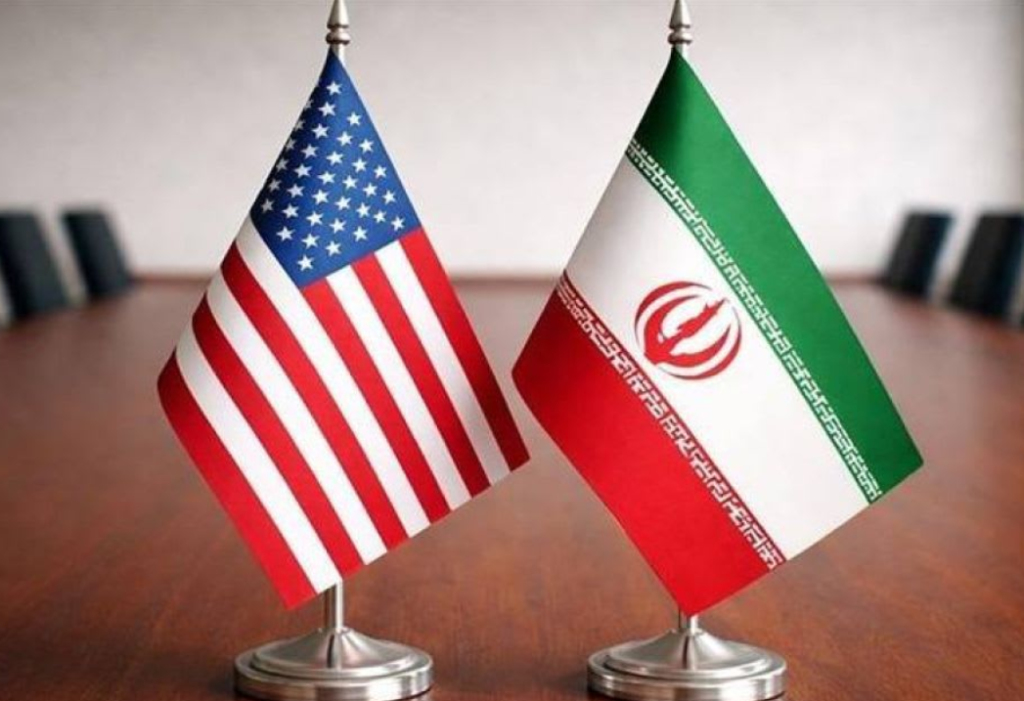
No new military strikes were reported between the United States and Iran for a third consecutive day as the US-Iran ceasefire continued to hold on Monday. Pakistan and Qatar intensified diplomatic efforts after both governments responded to a joint de-escalation proposal aimed at restarting formal negotiations and ending the latest confrontation.
Regional officials told several media outlets that mediation efforts had made significant progress. According to Pakistani government sources, both Washington and Tehran expressed their willingness to pursue dialogue and diplomacy to bring recent hostilities to an end and resume negotiations.
The proposal, first presented on July 20, calls on both sides to return to the positions they held before July 9, when the latest escalation began. Under the framework, Iran would reopen the Strait of Hormuz while the United States would end its blockade of Iranian ports and lift sanctions affecting Iranian oil exports. A ceasefire would then create conditions for renewed diplomatic talks.
President Donald Trump said on Friday that reaching an agreement remained the most effective course of action, adding that discussions with Iran were continuing and becoming increasingly serious. US Ambassador to the United Nations Mike Waltz later confirmed that Trump had decided to pause military strikes to provide more time for diplomacy.
Iran maintained that its military posture remained based on reciprocity. A senior Iranian official told Reuters that Tehran would halt its operations if attacks against Iran stopped. The current truce followed 13 consecutive nights of US strikes targeting Iranian coastal areas and infrastructure.
Despite the absence of new attacks, major disagreements remain unresolved. Iranian officials informed Pakistani mediators that Tehran rejected proposals to establish a new maritime corridor through the Strait of Hormuz, one of the central issues in the negotiations. Reports also indicated that mediators were exploring an alternative mechanism with Iran and Oman that would allow shipping to continue with fewer restrictions while preserving Iranian oversight of the strategic waterway.
The regional security situation also remains fragile. Commercial shipping through the Strait of Hormuz has fallen to its lowest level in three weeks, although a maritime monitoring organization operating under US naval supervision reported no confirmed attacks during the past 72 hours.
At the same time, Yemen’s Houthi movement announced a blockade targeting the Bab el-Mandeb Strait against Saudi Arabia, raising concerns over a second critical maritime route for global energy supplies.
The latest mediation effort builds on months of diplomatic engagement, including a 14-point memorandum of understanding signed on June 17 between the United States and Iran. Although that agreement was intended to reduce tensions, repeated exchanges of fire prevented its implementation. Regional mediators now face the challenge of preserving the current ceasefire long enough to bring both sides back to formal negotiations.