Abu Dhabi: some 1,400 clinicians attend 20th SEHA paediatric conference
Around 1,400 health professionals attended the 20th SEHA paediatric conference in Abu Dhabi, Sheikh Khalifa Medical City said in a statement.
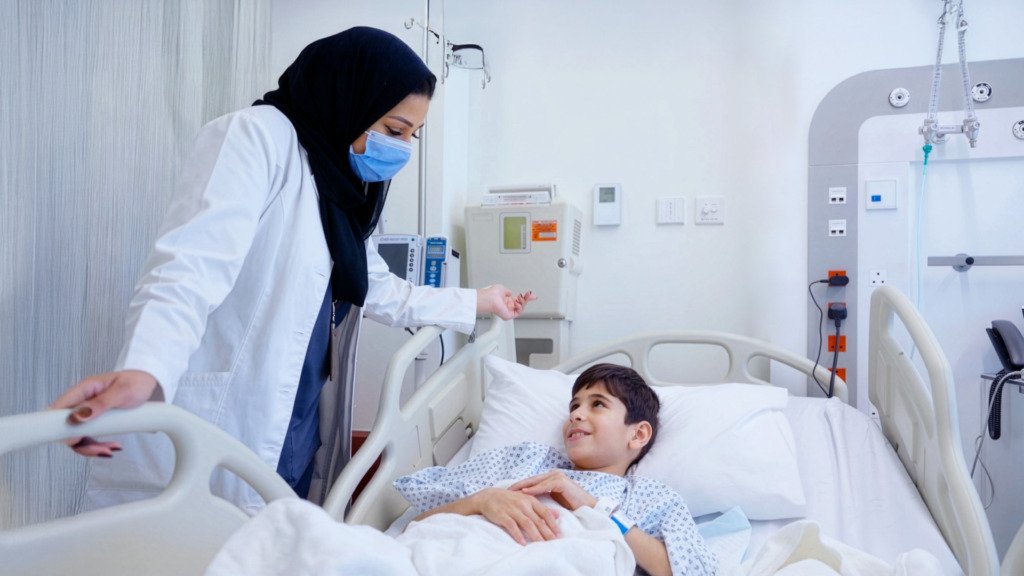
Photo: Sheikh Khalifa Medical City
Some 1,400 clinicians, researchers and other health staff gathered in Abu Dhabi for the 20th edition of the SEHA International Paediatric Conference (SIPC), Sheikh Khalifa Medical City said in a statement dated Thursday, October 29.
The three-day meeting was co-hosted by SEHA, which belongs to PureHealth, and the American hospital Cincinnati Children’s. Its central question was how up-to-date evidence should shape the choices doctors make every day for young patients, whether their illnesses are routine, rare or complicated.
A US–Abu Dhabi partnership
The conference sat within the training and knowledge-sharing work of a paediatric partnership linking SEHA Sheikh Khalifa Medical City (SKMC) with Cincinnati Children’s. Under that arrangement, specialists from both sides review cases together across disciplines and develop staff skills, with the goal of expanding Abu Dhabi’s own capacity to offer personalised care for children.
Dr Asma Al Nuaimi, Clinical Director of the Cincinnati Children’s Programme at SEHA Sheikh Khalifa Medical City, said the collaboration was helping local teams build lasting capability and handle more complex needs without sending patients elsewhere.
“This supports children in accessing specialised care closer to home while allowing families to remain connected to their communities and support networks.”
Earlier warning signs, faster referral
Hands-on workshops and case-based sessions focused on the safety of children through better clinical judgement: spotting danger signals sooner, recognising when a child must be escalated urgently or sent to a specialist, and using evidence well when diagnosis or treatment is not straightforward. Sessions drew on epilepsy management, reading electrocardiograms, emergencies in haematology-oncology for children and developmental conditions.
Another strand looked at newer tools, among them diagnostic biomarkers, digital health, artificial intelligence and gene therapy, weighing them against established evidence, the views of several disciplines and local care pathways. Cincinnati Children’s specialists compared with their UAE counterparts how each setting reasons through a diagnosis and manages patients.
Eight cases, seven abstracts
Teams working in the UAE brought eight complex cases spanning cardiac, immune-related, infectious, metabolic and neurological conditions.
They also submitted seven research abstracts. Diabetes and obesity care, the way emergency departments prescribe antibiotics, and inherited disorders of the nervous system featured among the subjects. Others examined eosinophilic oesophagitis, raised troponin levels in children, imaging of the upper gastrointestinal tract in newborns, and how infants delivered at 22 weeks’ gestation fare.
Dr Noura Ali Al Hassani, Chair of the Scientific Committee, Division Lead and Consultant Paediatric Endocrinologist at SEHA Tawam Hospital, said the committee shaped the programme around situations doctors meet in practice, so participants could test new knowledge against real clinical work. She singled out the locally produced cases and abstracts as especially useful, because they set research from the UAE health system within a broader scientific debate.