



Fromage Blanc or Greek Yogurt: Which Breakfast Helps Blood Sugar?
Greek yogurt vs fromage blanc: dietitians give Greek yogurt a slight edge for blood sugar, thanks to probiotics, if eaten plain with added fibre.

Photo: Modern Honey
Plain Greek yogurt holds a slight advantage over fromage blanc for keeping blood sugar steady at breakfast. That is the view of several nutrition specialists, who add that what goes into the bowl matters as much as the dairy product itself.
Both options are rich in protein and fairly low in carbohydrates, which explains their appeal after a very sweet breakfast. Such a breakfast tends to send blood glucose up quickly before it drops sharply, leaving people tired and hungry.
Toppings count more than the tub
The mix of nutrients on the plate shapes how fast glucose rises, more than the choice between the two dairy products. Dietitian-nutritionist Amanda Roll said that regularly eating refined carbohydrates and added sugars without enough fibre, protein or fat to slow digestion can make blood sugar climb faster and raise the risk of diabetes.
“Balanced meals that include fibre, protein and healthy fats help stabilise blood sugar and improve overall glycaemic control,” Roll said.
Fat slows the emptying of the stomach, which delays glucose entering the bloodstream. It also stimulates gut hormones such as GLP-1 and CCK, which are involved in insulin secretion and the feeling of fullness.
Protein plays an equally important part. Much of the protein in milk and dairy products is casein, which is digested slowly. According to Julie Cunningham, a dietitian and diabetes educator, animal and human studies have shown that casein slightly lowers blood sugar, possibly by encouraging muscle tissue to take up glucose. This slow digestion limits insulin needs, steadies post-meal blood sugar and works alongside fibre added from fruit, oat flakes or seeds.
Fromage blanc: watch the sweetened versions
A low-fat fromage blanc with 2% fat contains around 23 g of protein and very few carbohydrates, making it a filling breakfast base as long as it is eaten plain. Its high casein content gives a slow-protein effect that can help limit spikes, particularly for people monitoring prediabetes or type 2 diabetes.
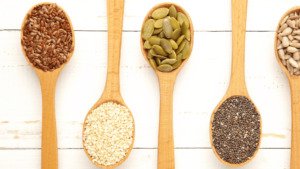
The risks lie in flavoured products and in what people stir in. Sugar, jam, refined cereals or oversized portions can quickly turn a neutral bowl into a heavy carbohydrate load. The Fédération Française des Diabétiques recommends plain dairy products at breakfast and limiting fast-acting carbohydrates to avoid post-meal hyperglycaemia. Adding fresh fruit and a few chia or flax seeds brings fibre that slows the rise in blood sugar.
Greek yogurt and probiotics
Plain low-fat Greek yogurt offers a similar protein level, at about 23 g per cup, with around 4 g of fat for a 2% version. One dietitian said pairing protein-rich foods such as Greek yogurt with fibre-rich foods such as fruit and wholegrain granola can slow the post-meal rise in blood sugar and keep people full for longer.
The same dietitian added that, unlike carbohydrates, which are broken down into glucose during digestion, protein can trigger the release of insulin and help the body regulate blood sugar after a meal or snack.
The deciding factor is probiotics. According to Roll, studies have shown that probiotics help reduce fasting blood sugar, especially in people with prediabetes or type 2 diabetes. Greek yogurt almost always contains them, which gives it the edge.
How dietitians build the bowl
For an ideal breakfast, the dietitians advise choosing plain Greek yogurt with no added sugar and checking the label for probiotics. They recommend adding fibre from fruit, nuts, seeds or wholegrain flakes rather than sugar, and keeping the portion reasonable.
 BYD’s Yangwang U9 Xtreme wrecked on a closed track before 500 km/h attempt
 Nador: Marchica Med plans 585 million dirham DoubleTree resort on lagoon
 Boualem Sansal in Rabat: Morocco is “an outstanding country in every field”
 Amine Harit: Marseille Revival Puts Atlas Lions Return Back on the Table
 Fozi Lekjaa: World Cup 2030 to create over 840,000 jobs, tax breaks set for FIFA


Comments (0)