Estonia urges tougher Russia sanctions after major Kyiv missile attack
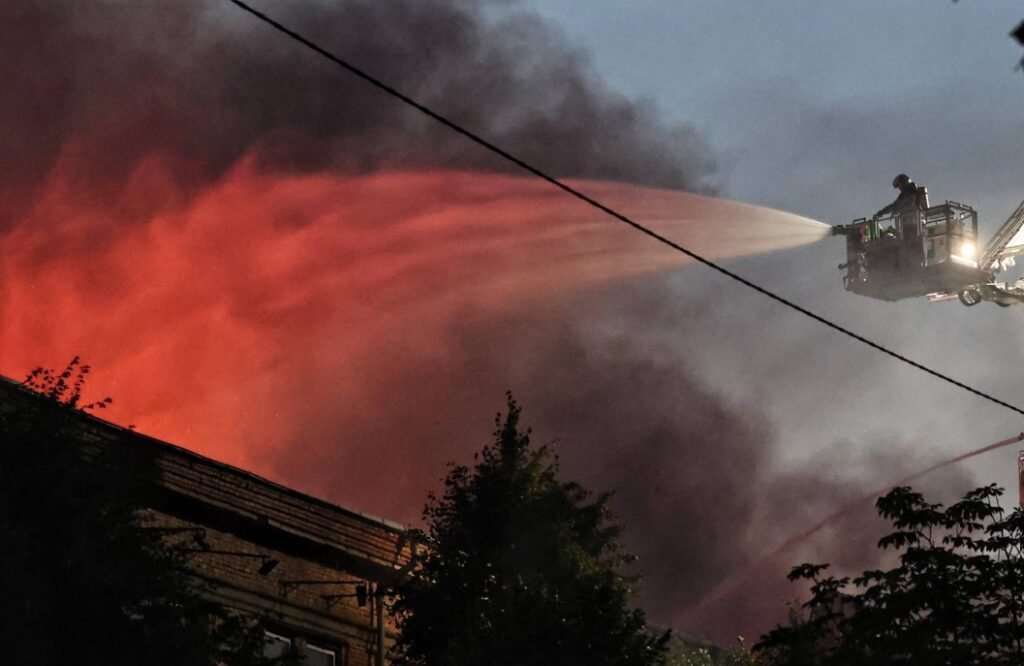
Estonia called for stronger international pressure on Russia following a large-scale missile and drone assault on Kyiv that Ukrainian officials described as one of the most significant ballistic missile attacks on the capital since the start of the full-scale war.
The Kyiv missile attack took place during the night of July 19 and involved 41 missiles of various types and 125 drones. Ukrainian authorities said at least six people were killed across the country and dozens more were injured. Explosions were reported throughout Kyiv as the assault lasted for several hours after beginning around 1:30 a.m. local time.
Ukraine’s acting foreign minister, Andrii Sybiha, said the strike represented the largest ballistic missile bombardment of Kyiv since Russia launched its full-scale invasion in February 2022. According to the Ukrainian Air Force, air defense systems intercepted 18 of the 41 missiles and 108 of the 125 drones launched during the attack.
Kyiv Mayor Vitali Klitschko said residential buildings, warehouses, a supermarket and a dormitory were among the sites damaged in the capital. In the Kharkiv region, a strike on a postal depot killed four people and injured 19 others.
Estonian Foreign Minister Margus Tsahkna responded by urging the international community to maintain and increase pressure on Moscow. He argued that Russia resorts to terror tactics when other strategic objectives become difficult to achieve and warned against easing efforts to isolate the Kremlin.
Tsahkna said only sustained and firm strategic isolation could reduce Russia’s ability to continue attacks against Ukrainian civilians. Estonia has been among the strongest advocates within the European Union for stricter measures against Moscow. The country previously threatened to block the EU’s 18th sanctions package unless it included a lower price cap on Russian oil.
The appeal comes as the European Union prepares additional economic measures targeting Russia. In June, European Commission President Ursula von der Leyen announced a new sanctions package aimed at the energy sector, financial services and trade. Proposed measures include broader restrictions on crypto-asset services, sanctions affecting 31 additional Russian banks and expanded action against the so-called shadow fleet used to transport Russian oil.
The EU had already approved another sanctions package on July 13 following earlier large-scale Russian attacks against Ukraine. The latest developments underscore growing European concerns over the continued escalation of missile and drone strikes.
Ukraine has faced repeated large-scale attacks on Kyiv in recent weeks. One of the deadliest assaults occurred on July 5, when at least 19 people were killed in the capital. President Volodymyr Zelenskyy has repeatedly called for additional U.S.-made Patriot missile defense interceptors to strengthen the country’s air defense capabilities against ongoing Russian attacks.