Morocco advances digital sovereignty strategy at United Nations forum
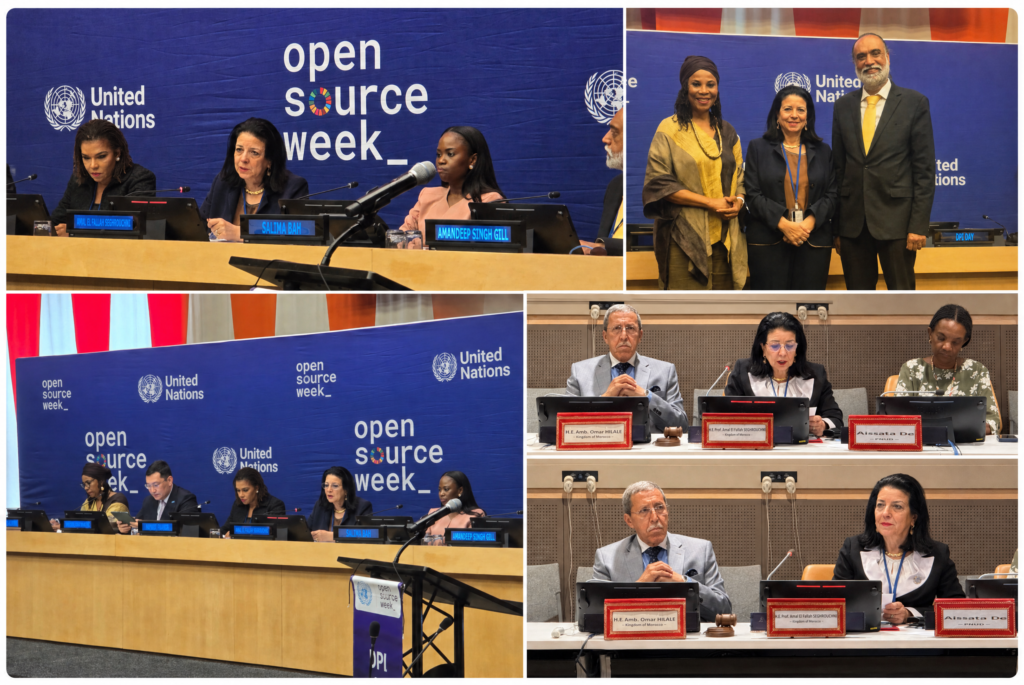
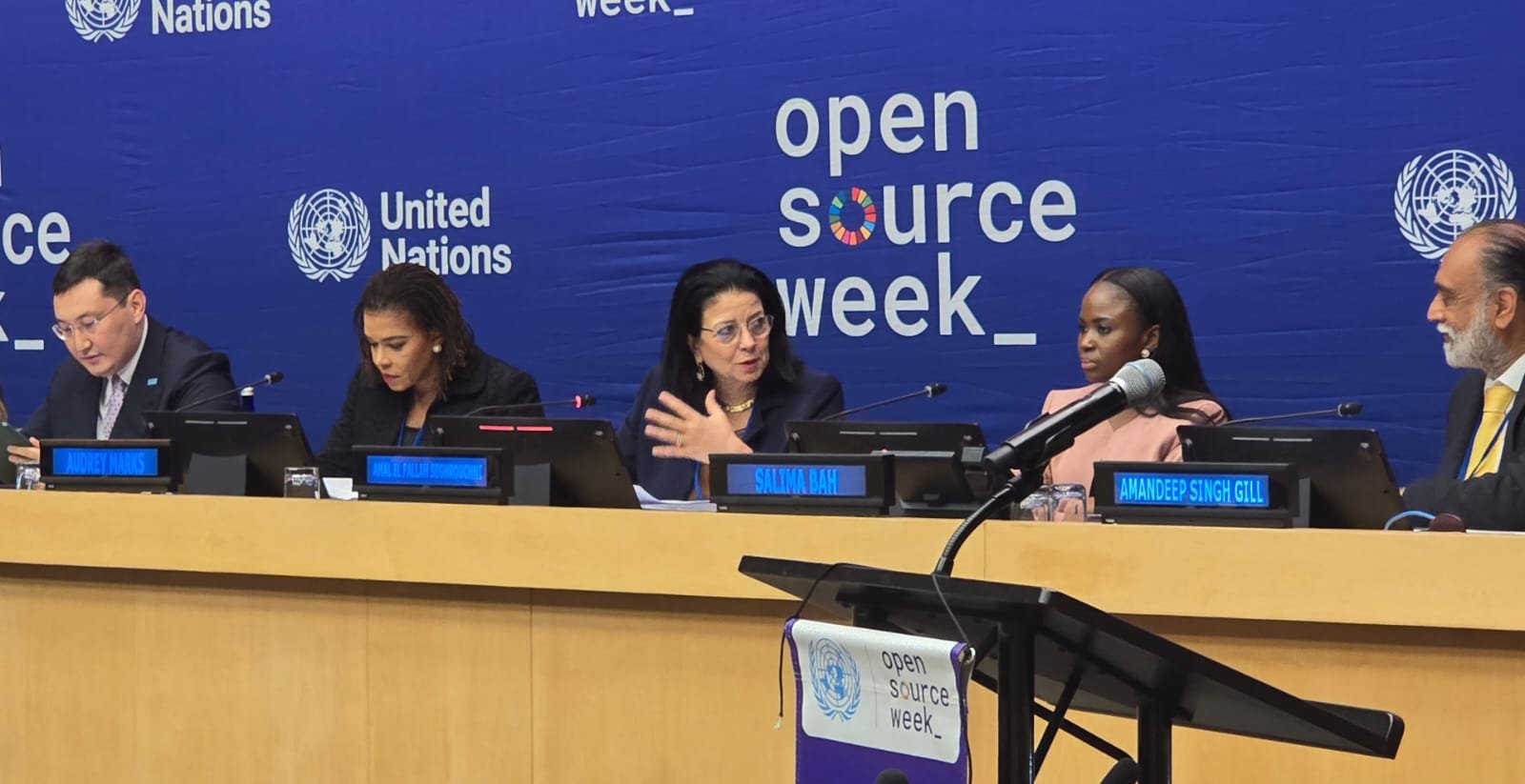
Morocco used the UN Open Source Week 2026 in New York to present its vision for digital sovereignty and artificial intelligence, positioning itself as an increasingly active contributor to digital governance across Africa and the Arab world. Amal El Fallah Seghrouchni, Morocco’s Minister Delegate for Digital Transition and Administrative Reform, outlined the country’s approach during a series of high level meetings at United Nations headquarters.
Addressing the opening session, which focused on the role of open source technologies in strengthening digital sovereignty and strategic autonomy, the minister said that digital technologies have become a core component of national sovereignty. She argued that the challenge for governments is no longer limited to accessing innovation. Countries must also be able to understand, develop, and direct technologies in line with their national priorities.
The Moroccan approach follows the strategic vision promoted by King Mohammed VI, which identifies artificial intelligence, emerging technologies, and digital transformation as key drivers of economic, social, and human development.
A central theme of Morocco’s presentation was the concept of a “third digital path.” The model seeks to balance openness to global innovation with national control over technological choices. It combines international standards, strategic partnerships, and access to advanced technologies while preserving national laws, cultural and linguistic diversity, citizen interests, and strategic priorities.
The minister described open source technologies as a key pillar of this strategy. She said they improve transparency, interoperability, auditing capabilities, and technological flexibility while allowing institutions to better understand, adapt, secure, and upgrade the systems they deploy.
Morocco also showcased major projects under the Morocco Digital 2030 strategy and the AI Made in Morocco roadmap. These initiatives include the development of artificial intelligence models in Arabic, Darija, and Amazigh, the expansion of the JAZARI Institutes network across all twelve regions of the country, the creation of a joint laboratory with Mistral AI, and investments in sovereign cloud infrastructure, data centers, and high performance computing capabilities.
The government aims to train 100,000 digital professionals annually by 2030 to support the country’s growing digital economy and technology sector.
The minister highlighted progress in public sector modernization through the national interoperability platform, which has processed more than 52 million transactions. She also pointed to the Idarati portal, which lists more than 2,450 administrative procedures from over 130 public institutions, reflecting Morocco’s move toward a more integrated digital administration.
Open source AI and regional cooperation
During the event, Morocco’s Ministry of Digital Transition and Administrative Reform partnered with the United Nations Development Programme to host a strategic roundtable on open source artificial intelligence models through the Digital for Sustainable Development Hub, known as D4SD Hub.
The minister said open source AI can strengthen digital sovereignty by enabling governments, universities, startups, and public institutions to audit, customize, and improve artificial intelligence models according to their languages, legal frameworks, and development priorities.
She stressed that achieving this objective requires quality data, sovereign infrastructure, skilled national talent, responsible governance, and sustained investment in research and innovation.
Among the projects presented were the National Data Center, the national digital public goods platform, sovereign cloud and cybersecurity infrastructure, and the RallyIA Future Lab initiative, which engages thousands of young people, researchers, entrepreneurs, and innovators in developing AI solutions tailored to African and Arab realities.
The following day, Seghrouchni chaired the inaugural meeting of the D4SD Hub Advisory Council. The body brings together representatives from governments, international organizations, universities, research centers, development institutions, and private sector companies.
She described the hub as a regional platform designed to accelerate partnerships, scientific research, innovation, skills development, and knowledge sharing in support of inclusive and sustainable digital transformation across Africa and the Arab world.
Financing digital infrastructure
During discussions on the implementation of the Global Digital Compact, the minister presented the priorities of Morocco Digital 2030, which focus on expanding digital public services and developing the digital economy.
She said digital transformation involves more than moving procedures online. It requires redesigning public services to make them faster, simpler, and more responsive to citizens’ needs. She also emphasized the importance of digital identity systems, interoperability, sovereign cloud infrastructure, data centers, and the integration of Privacy by Design and Security by Design principles into digital projects.
At a separate roundtable on financing digital public infrastructure, the minister compared digital infrastructure to roads, electricity networks, and dams, arguing that such assets require sustainable funding models.
She outlined Morocco’s mixed financing approach, which combines public spending, sovereign funds, private sector partnerships, and support from international financial institutions. The model includes backing from the World Bank through the Morocco Digital Transformation Program.
The minister also called for dedicated investment in data protection, cybersecurity, governance mechanisms, and inclusion measures from the earliest stages of project design, describing them as essential elements for building trust and ensuring long term sustainability.
Through its participation in UN Open Source Week 2026, Morocco reaffirmed its commitment to an open, sovereign, and inclusive digital governance model. The country aims to strengthen international cooperation while expanding research, innovation, and digital capabilities, enabling African and Arab nations to play a greater role in producing knowledge and digital technologies.