
Morocco’s date exports to Germany hit record high on rising demand
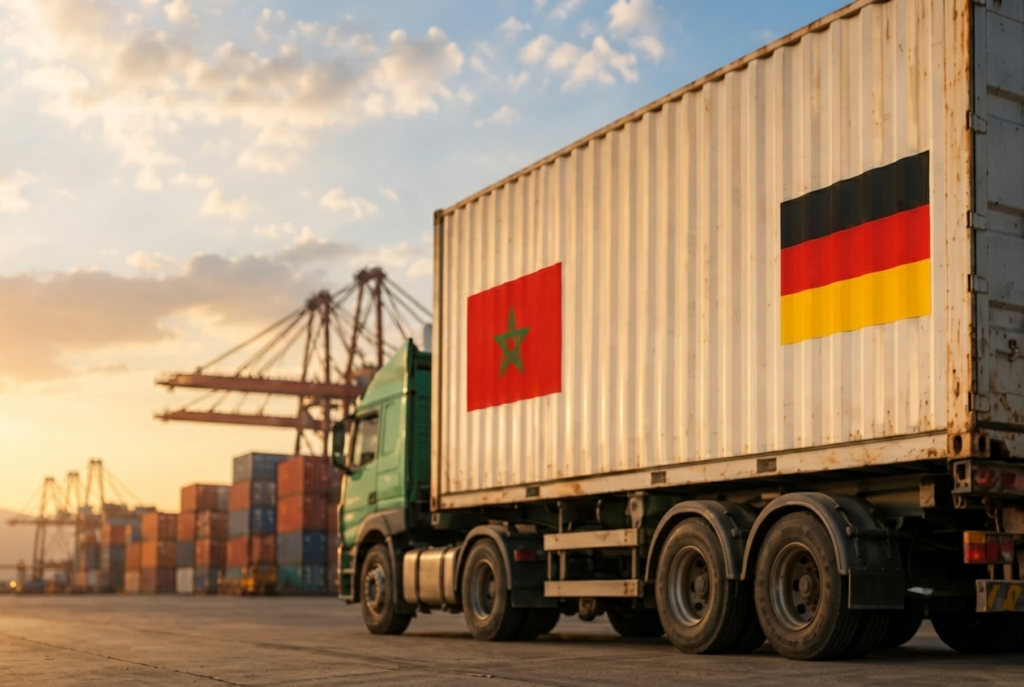
Morocco has achieved a record performance in the German market as exports of Moroccan dates reached their highest level, reflecting stronger demand across Europe and the growing competitiveness of the country’s agricultural sector.
Between July 2025 and May 2026, Germany imported 714 tonnes of Moroccan dates valued at more than €4.2 million, equivalent to around MAD 45 million. According to EastFruit, the export volume was 22 times higher than the total recorded during the 2024/25 season and more than six times the combined shipments of the previous five export seasons.
The latest figures confirm a sustained upward trend in trade between Morocco and Germany. Morocco exported more than $5 billion worth of goods to Germany in 2025, led by automobiles, automotive components, electrical wiring, textiles, and agricultural products.
Agricultural exports have become an increasingly important driver of bilateral trade. Alongside dates, Morocco has significantly expanded shipments of citrus fruits, cucumbers, and sweet corn to the German market, reflecting growing European demand for Moroccan produce.
Morocco’s date export season traditionally reaches its peak in the months preceding Ramadan, when consumption rises among Muslim communities across Europe. In recent years, however, exports have become more evenly distributed throughout the year as dates gain popularity among consumers looking for natural and nutritious food options.
Germany remains one of Europe’s largest importers of dates, sourcing supplies from several producing countries. Morocco has steadily strengthened its position by improving product quality, increasing production capacity, and expanding commercial partnerships with European importers.
The record export performance also highlights the resilience of Morocco’s date industry despite climate pressures affecting palm cultivation in some producing regions. Continued investment in modern farming methods, irrigation efficiency, and post-harvest processing has helped Moroccan producers maintain their competitiveness in international markets.