Spain estimates 49,000 irregular entries into Ceuta as border controls tighten
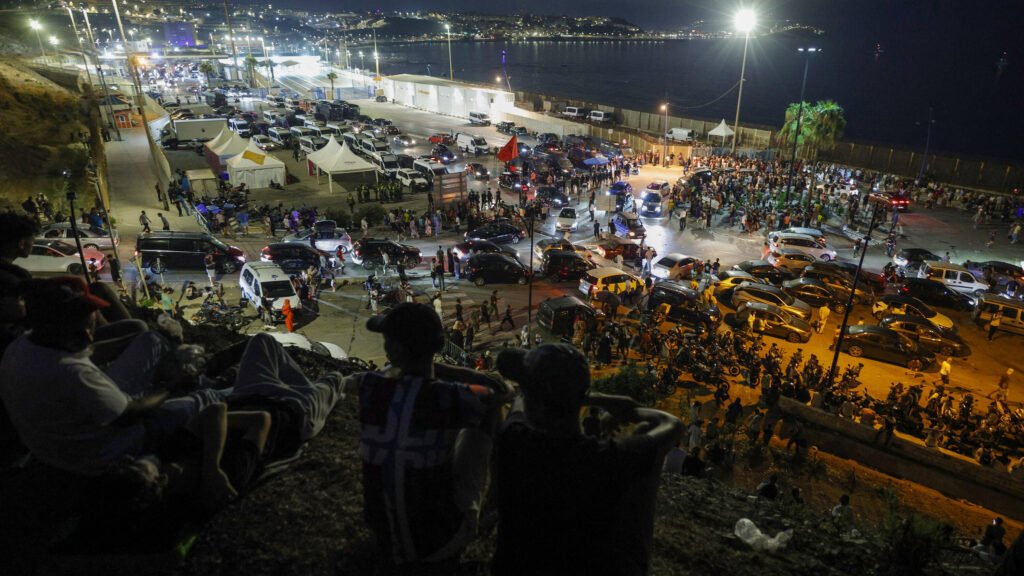
Morocco and Spain have stepped up border security after Spanish authorities estimated that around 49,000 people reached or attempted to enter the Spanish enclave of Ceuta from Morocco by land and sea in a single day. The unprecedented surge has prompted an intensified joint response from both countries as they seek to contain irregular migration and dismantle the networks behind the crossings.
Spanish officials released the initial estimate as rescue and recovery operations continued. Reports indicated that at least 19 bodies were recovered from the water, underscoring the human cost of the mass crossing.
Images and videos circulating online showed large groups of people swimming toward Ceuta, while others attempted to reach the enclave by land. Some footage showed families crossing together, including elderly people being assisted by younger relatives and parents carrying infants during the journey.
The events triggered political reactions across Europe. Far-right parties, including Spain’s Vox, criticized the situation and renewed calls for stricter migration policies. Vox leader Santiago Abascal argued that those entering Ceuta were not fleeing poverty, using the incident to support demands for tighter border controls.
Italian Prime Minister Giorgia Meloni also reacted to the developments, warning that Spain could face consequences within the Schengen area if migration pressures are not brought under control.
Morocco and Spain responded by reinforcing security along their shared border. Spain deployed additional military personnel to the Ceuta frontier, while Moroccan authorities increased the presence of police and security forces in areas surrounding the attempted crossings.
Videos from the border also showed confrontations between security forces and groups attempting to cross. Some individuals were seen throwing stones at police officers, while security vehicles were reportedly set on fire during the unrest.
Despite the scale of the incident, both governments emphasized the strength of their bilateral cooperation. They described their coordination on migration management as effective and pledged to continue working together to prevent further mass crossings.
Spain’s Interior Ministry publicly thanked Morocco for the efforts deployed by its security services in responding to the latest migration crisis. The ministry described cooperation between the two countries as exemplary and said it reflected the increasingly strong relationship between Madrid and Rabat on migration management.
Authorities in both countries attributed the large-scale movement of people to criminal organizations that facilitate irregular migration. They reaffirmed their commitment to intensifying joint operations aimed at dismantling trafficking networks and preventing future attempts to enter Ceuta illegally.