
Record El Niño threatens global blueberry and coffee prices
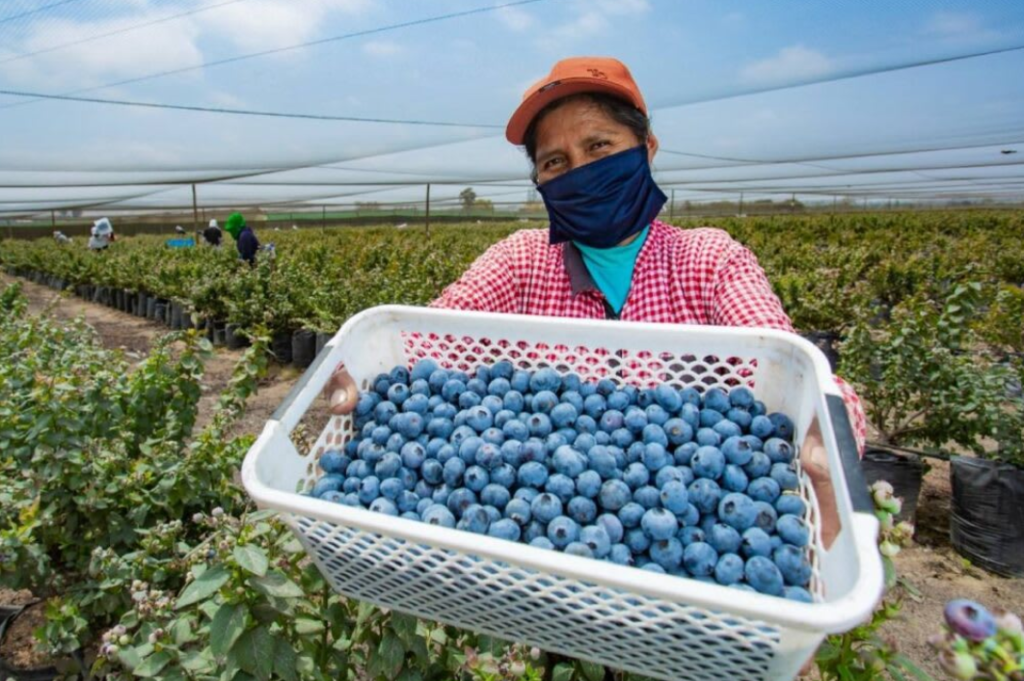
A potentially record-breaking El Niño event is raising concerns across global agricultural markets as extreme weather threatens harvests in some of the world’s largest producing regions. The climate pattern is expected to disrupt supplies of blueberries, coffee and other fresh produce, increasing the risk of higher food prices during the 2026/27 season.
Peru, the world’s largest blueberry exporter, faces growing pressure as El Niño is forecast to strengthen during the peak harvest period. The weather system is expected to coincide with the onset of the rainy season along the country’s northern coast, where most blueberry production is concentrated. The threat comes at a time when blueberry prices are already elevated because of tight market conditions.
The wider fresh produce sector is also exposed. Industry assessments indicate that El Niño could affect exports of blueberries, grapes, cherries and stone fruit from Peru and Chile during the 2026/27 season. Producers and exporters face increased risks of shipping delays, lower production volumes and supply chain disruptions.
Brazil, the world’s leading coffee producer and exporter, is also experiencing unusual weather conditions linked to El Niño. Excessive moisture has triggered early flowering in coffee plantations while raising concerns over crop quality. Heavy rainfall during the harvest season forced farmers to suspend drying operations after freshly harvested coffee beans were exposed to persistent rain.
Agronomists warn that prolonged humidity increases the risk of bacterial and fungal diseases affecting coffee trees. The situation is complicated because fungicides cannot easily be applied while harvesting is underway. Brazil’s coffee industry association estimates that El Niño could reduce the country’s expected record coffee harvest by 15 to 20 percent if adverse conditions continue.
Climate experts believe the 2026/27 event could become one of the strongest El Niño episodes ever recorded. Forecasts indicate a high probability that the phenomenon will persist through at least November 2026 after developing during the northern hemisphere summer.
Beyond agriculture, economists expect broader economic consequences. Studies have suggested that a severe El Niño could generate trillions of dollars in global economic losses over the coming years by damaging agricultural output, disrupting trade and increasing food inflation.
The effects are already influencing economic forecasts in several countries. In the Philippines, economists have warned that El Niño, combined with geopolitical tensions in the Middle East and higher labor costs, could push inflation above 7 percent during the third quarter. The country’s central bank is expected to maintain a restrictive monetary policy as inflation risks remain elevated.