



Tomatoes: difficult season in Souss-Massa, prices easing
The tomato season started on a difficult note in Souss-Massa, after heatwaves and a plant virus halved output, and prices are easing from their peak of 18 dirhams a kilo.
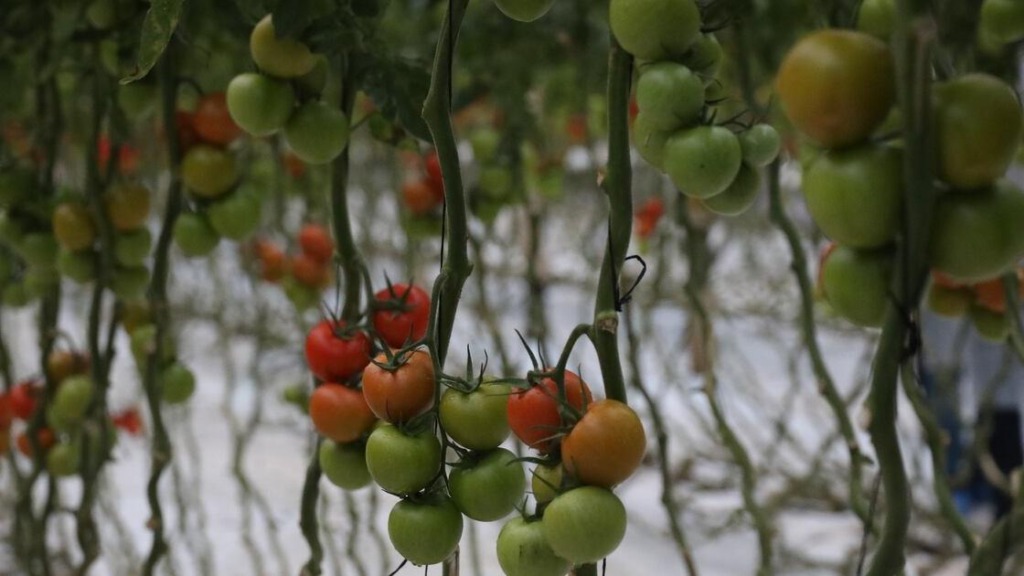
Ripe tomatoes inside a greenhouse in Souss-Massa
The fresh-produce season has started on a challenging note for tomato growers in the Souss-Massa region, who have faced reduced volumes, crop diseases and unstable weather, while prices have begun to ease after record levels at the start of the season.
A kilo of tomatoes reached about 18 dirhams at some retailers in early November, while the wholesale price stood at 13 dirhams in Rabat and 9 dirhams in Casablanca, before prices began to fall gradually.
Casablanca’s wholesale market recorded a fall in the price of some tomato varieties from 12 to 9 dirhams a kilo, a drop of 3 dirhams, while ordinary tomatoes sold for between 3 and 3.50 dirhams at the Inezgane wholesale market, and between 6.50 and 7 dirhams for large sizes, retailing at between 5.50 and 7.50 dirhams in the Agadir and Inezgane markets.
Producer and exporter Amine Amanatoullah explained that the Souss-Massa region supplies about 75 percent of the tomatoes that reach the markets in winter, and that any drop in the region’s output is felt directly in supply across the Kingdom.
Growers blame the decline on the severe heatwaves of August, which disrupted crop growth and delayed ripening, as well as the spread of tomato brown rugose fruit virus, which destroyed about 30 percent of crops according to the agriculture minister, and the poor disease resistance of the seed varieties in circulation.
Yield per hectare has fallen from 180 to 200 tonnes in normal seasons to 90 to 100 tonnes today, while the cultivated area has shrunk from about 4,000 hectares last year to about 3,300 hectares this year, and the price of a resistant seedling has risen from about 1.50 dirhams to between 4 and 5 dirhams.
The authorities decided, from Thursday 5 November, to suspend the issuing of new licences to export tomatoes to African markets, a temporary measure aimed at securing supply for the domestic market and stabilising prices, while exports to Europe continue as normal and shipments covered by existing licences go ahead.
Agriculture Minister Khalid Hatimy told parliament of a plan to restore production over three seasons, including the supply of more than 1.3 million quintals of selected seeds at subsidised prices, 20 to 30 percent below last year’s, through 300 sales points, about 500,000 tonnes of phosphate fertiliser with no price increase, and the distribution of about 200 seeders to cooperatives.
Growers expect the market to return to normal by the end of November, with improving weather and rising harvest volumes in the coming weeks, and further recovery of production in December and January.






Comments (0)