Morocco exhausts 2026 duty-free quota of 300,000 imported slaughter cattle
The Agriculture Ministry says Morocco’s 2026 cattle imports quota of 300,000 duty-free head is used up, with Brazil supplying over 90% of the animals.
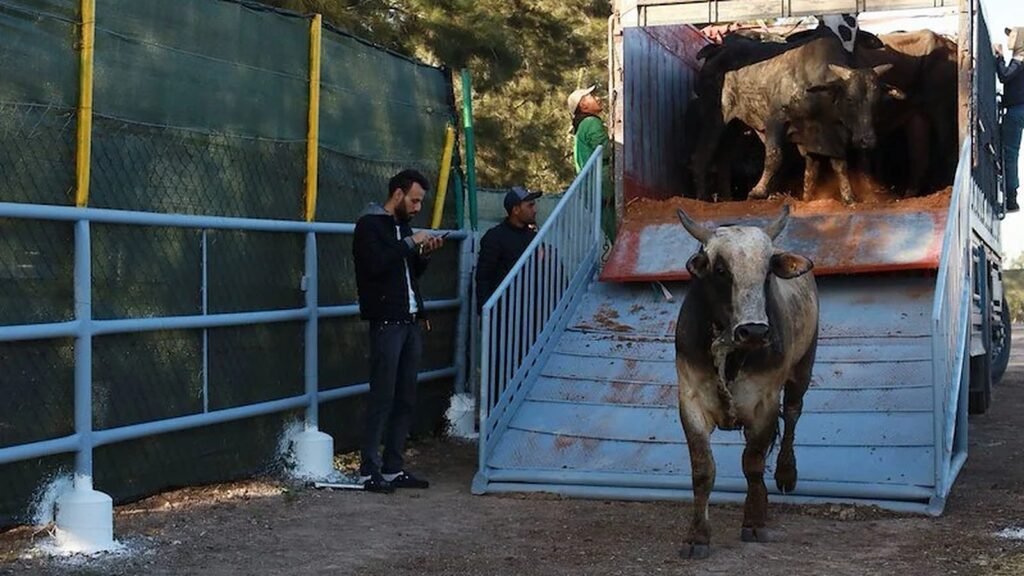
Photo: Ministry
Morocco has used up its full 2026 allocation of 300,000 domestic cattle intended for slaughter and exempt from import duties. The Ministry of Agriculture, Maritime Fisheries and Food Sovereignty said importers and professionals were informed through a notice published on its website on October 15.
Shipments averaged about 24,000 head a month, though volumes varied sharply over the year. More than 44,000 head arrived during June and July, compared with 17,000 in August and September, according to the ministry.
Drought behind the measure
The ministry linked the scheme to the rise in red meat prices on national markets in recent years. It attributed the increase to a smaller number of livestock available for slaughter after successive years of drought, as well as to scarce and costly feed, whether produced locally or imported.
These conditions, the statement said, led some breeders to slaughter part of their female cattle, which reduced the current supply.
In response, the government suspended customs duties and value-added tax on imports of 300,000 domestic cattle until December 31, 2026, under Decree No. 2.25.720 of August 29, 2025, and Article 2 of the 2026 Finance Law No. 50.25.
How the quota was managed
No prior licence was required. The operation was opened to all importers and professionals through notice No. 218, dated February 2, 2026, and posted on the ministry’s online portal.
Applications for the customs exemption were filed via the PORTNET platform and handled in order of receipt in under 24 hours. Each exemption granted remained valid for one month.
Once total imports, together with the head of cattle covered by exemptions still valid and in the process of being imported, reached the 300,000 ceiling, the ministry announced the end of the quota in notice No. 1484, dated October 15, 2026.
Brazil dominates supply
Thirty-seven importing companies have taken part in the operation so far. More than 90% of the animals came from Brazil, which the ministry said offered greater availability than European countries.
Demand for import permits rose in October after purchases from Portugal were opened, a market the ministry said benefits from its proximity.
The ministry said the operation kept national markets supplied with red meat and helped stabilise prices across the country.