


Addoha Group lifts revenue 9% in first half of 2026
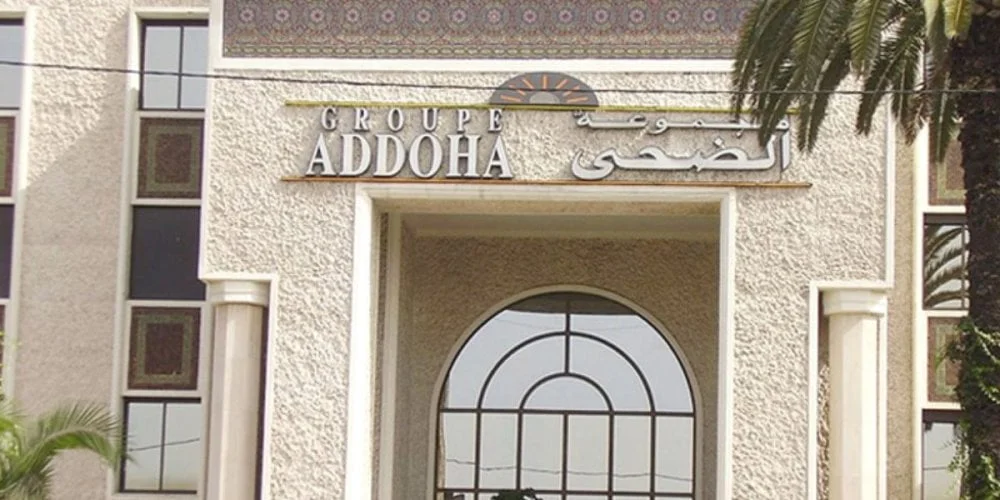
Photo: archive
Addoha Group posted consolidated revenue of MAD 1.408 billion in the first half of 2026, up 9 percent on the same period last year, despite the impact of new changes to the accounting method used in the real estate sector.
Over the same period, the group recorded an 11 percent rise in pre-sales, while secured revenue reached around MAD 12.1 billion, reflecting the level of activity expected in the coming phases.
Total pre-sales in the first six months of the year came to 5,557 units, up 11 percent from the first half of 2025. Units from the group’s West African subsidiaries accounted for 18 percent of these sales.
At the end of June, secured revenue stood at around MAD 12.1 billion, split between MAD 8.9 billion in Morocco and MAD 3.2 billion in West African countries.
Faster production supports expected growth
The group continued to step up production, with 23,791 units under construction, 35 percent of them in West Africa.
Projects under construction represent potential revenue of nearly MAD 19.8 billion. This pipeline is expected to support revenue growth in the period ahead, while also helping to improve operating margin and profitability.
In the second quarter of 2026, consolidated revenue came in at MAD 650 million, up 13 percent on the same period of 2025.
This brought total revenue for the first half of the year to MAD 1.408 billion, representing year-on-year growth of 9 percent.
Impact of the accounting change on revenue
These results come as amendments to the real estate sector’s chart of accounts have been in force since January 1, 2025, notably changes to the way revenue generated by property developers is calculated.
According to the group’s figures, revenue for the first half of 2026 would have reached MAD 1.984 billion under the previous accounting method.
This gap reflects a stronger level of operating activity than the revenue figure calculated under the new accounting rules suggests.
Debt under control
As for debt, the group’s borrowing grew in line with the faster pace of production, while being kept at controlled levels.
The debt-to-equity ratio, known as gearing, remained below 30 percent.
 Morocco edge Scotland 1-0 to boost World Cup group record against Europe
 Béni Mellal-Khénifra launches digital observatory with 30,000+ data rows
 Digital boarding pass advances digital transformation at Morocco’s airports
 National Forensic Science Police Laboratory Renews International Accreditation for Eighth Time
 Maroc Telecom posts MAD 2.48 billion net profit in H1 2026

Comments (0)