
Daniel Day-Lewis redefined screen acting through discipline and transformation
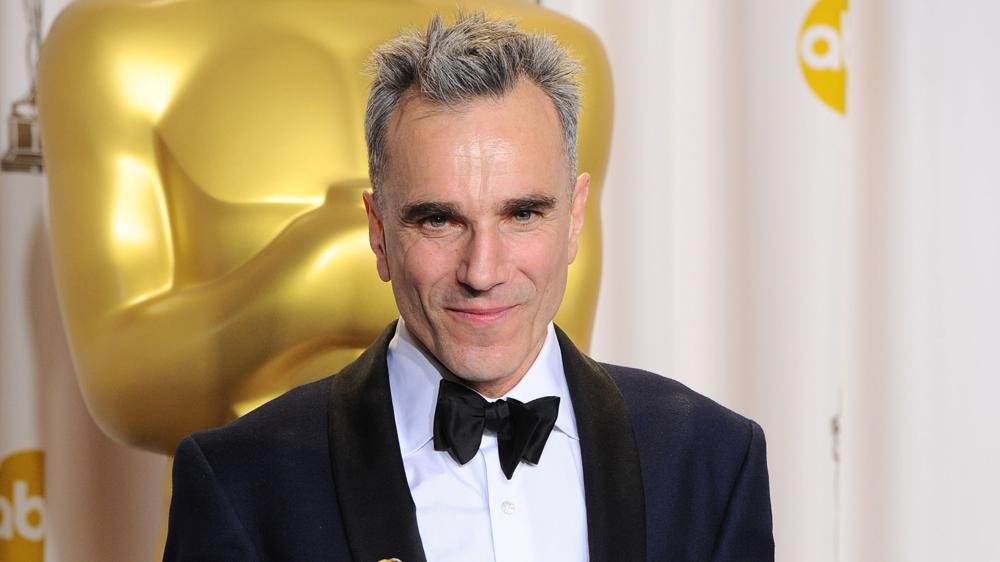
Daniel Day-Lewis remains one of the most respected figures in modern cinema. The Daniel Day-Lewis career stands apart for its commitment to artistic excellence, with the British-Irish actor earning an unmatched three Academy Awards for Best Actor. His selective approach to filmmaking, combined with complete dedication to every performance, established him as one of the industry’s defining talents.
Born in London on April 29, 1957, Daniel Day-Lewis grew up in a creative family. His father, Cecil Day-Lewis, was an acclaimed poet, while his mother, Jill Balcon, worked as an actress. Inspired by the performing arts from an early age, he later trained at the Bristol Old Vic Theatre School, laying the foundation for a career built on precision rather than productivity.
Unlike many leading actors who appear in multiple productions each year, Day-Lewis deliberately limited his filmography. He often spent months, and sometimes years, preparing for a single role. That discipline turned each new performance into a major cinematic event and reinforced his reputation as one of the most selective actors of his generation.
His work became closely associated with Method Acting, an approach that requires performers to remain deeply immersed in their characters throughout production. For My Left Foot in 1989, he spent extended periods using a wheelchair to portray Christy Brown with maximum authenticity. During the filming of The Last of the Mohicans, he learned wilderness survival skills to match his character’s lifestyle. While portraying Abraham Lincoln in Lincoln, he maintained the president’s voice, mannerisms and behavior throughout the production.
This extraordinary level of preparation became a defining characteristic of his career and earned widespread respect from directors, actors and critics around the world.
Day-Lewis remains the only performer to win three Academy Awards for Best Actor in a leading role. He received the honors for My Left Foot (1989), There Will Be Blood (2007) and Lincoln (2012). His achievements were further recognized through multiple BAFTA Awards, Golden Globe Awards and Screen Actors Guild Awards, reflecting decades of consistent critical acclaim.
Although his body of work is relatively small, several films have become landmarks of modern cinema. In the Name of the Father (1993), The Age of Innocence (1993), Gangs of New York (2002) and Phantom Thread (2017) showcased his ability to portray psychologically and historically complex characters with remarkable depth.
In 2017, shortly before the release of Phantom Thread, Day-Lewis announced his retirement from acting. Staying true to his private nature, he offered few details about his decision, adding to the sense of mystery that has long surrounded his personal and professional life.
His departure did little to diminish his influence. Acting schools, filmmakers and performers continue to study his methods as a benchmark for dedication, authenticity and artistic discipline. His legacy extends beyond awards and box office success, resting instead on the lasting impact he has had on the craft of acting and the standards by which exceptional performances are measured.