Chefchaouen: governor steps up winter preparedness to keep villages connected
Chefchaouen winter preparedness: governor Zakariya Hashlaf chaired a meeting on keeping mountain villages accessible and safe from floods.

Source: Marrakech to Chefchaouen
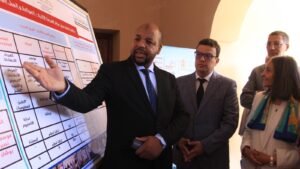
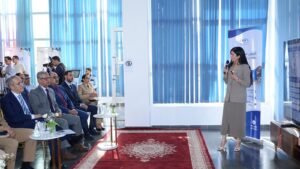
Authorities in Chefchaouen province have moved from planning to fieldwork ahead of winter. Governor Zakariya Hashlaf chaired an expanded meeting at the provincial headquarters on Thursday, October 29, focused on protecting residents and keeping mountain and rural villages from being cut off.
The session reviewed how ready the various services are and which preventive steps are in place. It followed up on recommendations from a first provincial meeting held on September 7. Officials framed it as part of the High Solicitude of His Majesty King Mohammed VI for protecting citizens’ lives and property, and as an application of guidance from the Ministry of the Interior.
Members of Parliament from the province attended alongside local authority officials, security service representatives, heads of local councils and officials from decentralised state services and other institutions concerned.
Lessons from last winter
Chefchaouen and its surroundings rank among the areas with the heaviest rainfall in Morocco each year. Rugged terrain, a vast rural area, scattered settlements and a landscape of peaks, valleys and coastline expose the province to road closures, landslides and flash floods, and can keep emergency teams from reaching some villages during downpours.
Participants drew on last winter, when several areas saw tracks cut off and soil collapses and erosion on a scale the region had not experienced in years, exposing weak infrastructure and difficult access to basic services.
Risks mapped area by area
The governor called for an approach tailored to the hazards of each area, with resources directed to the most vulnerable sites. In the mountains, particularly Bab Berred, Bab Taza, Talambote and the areas bordering Talassemtane National Park, the main concerns are landslides, rockfalls, soil erosion and blocked tracks.
Where rivers and ravines cross the province, priorities include monitoring bridges, crossings and engineering structures and guarding against flash floods, especially on paths used by residents and schoolchildren. On the coast, notably in El Jebha, Kaa Asras and Stehat, heavy rain may coincide with rough seas, calling for closer watch over roads, drainage networks and exposed structures.
Roads, schools and vulnerable residents
Breaking rural isolation dominated the agenda. Priorities set out include repairing damaged roads and tracks, maintaining bridges, keeping school transport running, securing drinking water, electricity and telecommunications, and ensuring access to health facilities, markets and basic services. Citizens’ complaints are to be used to detect problems and rank interventions.
Machinery is to be pre-positioned near sensitive road sections to shorten response times. Planned work covers clearing riverbeds, ravines, gutters and stormwater channels, and checking slopes and retaining walls. Officials also stressed listing fragile buildings, updating registers of at-risk families and preparing shelter and evacuation arrangements.
Special attention is to go to patients needing regular treatment, pregnant women, the elderly and people with disabilities in areas that weather could isolate. At tourist and natural sites, mountain trails and the surroundings of waterfalls and rivers are to be monitored, with access to dangerous spots restricted where necessary.
Duties of local councils
Hashlaf urged local councils to maintain the tracks and equipment under their responsibility, clean drainage networks, deal with black spots and mobilise staff and logistics, insisting that prevention must come before damage occurs. He asked local authority officials to step up field visits, check equipment readiness and send the provincial authority accurate, updated data on threatened areas, completed work and constraints.
The meeting also called for early warning and alert mechanisms, regular updates to residents on weather and road conditions, and stronger coordination with institutional partners to include the most urgent needs in upgrading programmes. Directives are to be turned into field actions with set responsibilities and deadlines, subject to continuous monitoring and evaluation.