ADNOC expands tanker fleet as Hormuz crisis reshapes oil trade
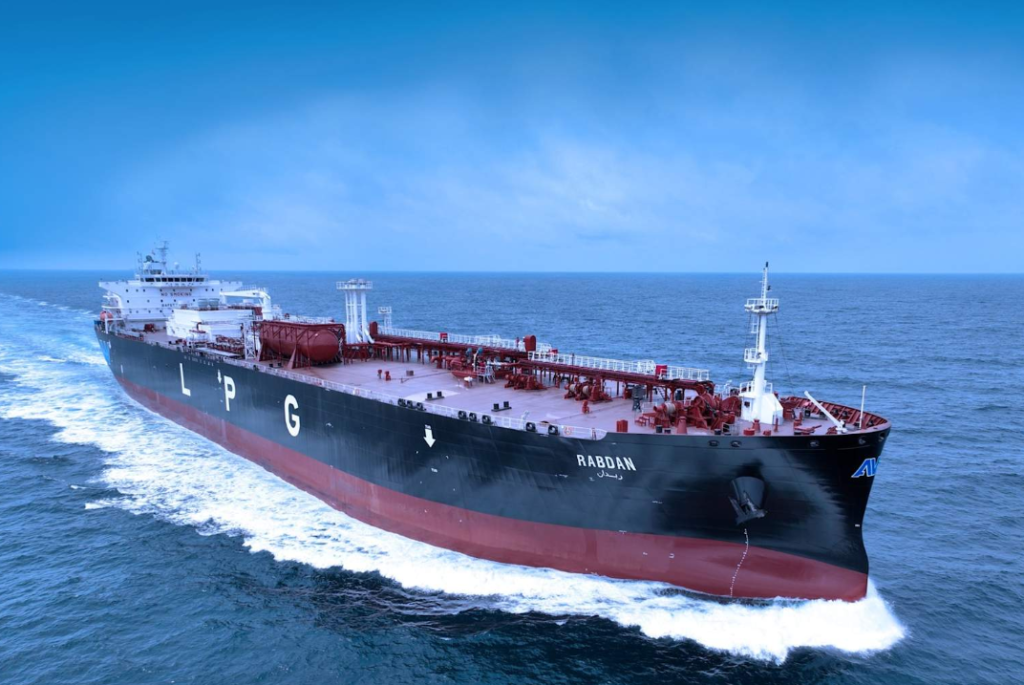
Nearly five months after the closure of the Strait of Hormuz, ADNOC tanker acquisition has accelerated with the purchase of five very large crude carriers from Frontline for about $590 million. The move reflects the Abu Dhabi National Oil Company’s broader strategy to strengthen control over its supply chain as geopolitical tensions continue to reshape global energy routes.
The deal includes two tankers built in 2012 valued at around $115 million each and three vessels built in 2015 worth approximately $120 million each. The acquisition will help ADNOC maintain crude deliveries to customers even if conflicts continue to disrupt two of the world’s busiest maritime corridors. According to Reuters, the company has also purchased three very large LNG carriers and placed orders for between 25 and 30 additional ships at several shipyards.
As regional disruptions continue, producers including Iraq, Qatar and Kuwait have struggled to export crude because of shipping constraints. The United Arab Emirates has instead relied on direct sales and spot tenders while benefiting from the 1.8 million barrel per day pipeline linking Abu Dhabi to Fujairah, which bypasses the Strait of Hormuz. ADNOC has also chartered about 25 tankers from South Korea’s Sinokor, using roughly 15 of them as shuttle vessels to transport crude from facilities inside the strait to storage terminals in Fujairah and Oman.
The regional security crisis has expanded beyond the Strait of Hormuz. Houthi forces have intensified attacks on commercial shipping in the Red Sea, threatening Saudi Arabia’s alternative export route through the Yanbu pipeline on the Red Sea coast. Saudi Arabia has launched military operations against the Houthis while seeking to establish an international naval coalition involving Turkey, Pakistan, Egypt and other partners to secure this strategic shipping corridor.
Japan has also been forced to respond to the disruption. With more than 90 percent of its crude imports coming from the Middle East in 2025, the country began drawing from its strategic petroleum reserves after Prime Minister Sanae Takaichi authorized their release on March 11. The measure helped bridge supply shortages until alternative cargoes from the United States became available in May. Dr. Ken Koyama of the Institute of Energy Economics Japan described the decision as timely and of national importance.
Strategic oil reserves in the United States, China and Europe have meanwhile fallen to historically low levels, according to Juan Cole of the University of Michigan. The International Monetary Fund has warned that in a severe scenario where oil reaches $125 per barrel, global economic growth could slow to 2 percent while inflation approaches 6 percent.
Prospects for a resolution remain uncertain. A memorandum of understanding signed in June briefly raised hopes for reopening the Strait of Hormuz before negotiations collapsed and military strikes resumed. Koyama cautioned against expecting a quick breakthrough, saying recent events demonstrate that optimism should remain limited.
The outlook has become even more challenging after Iranian strikes damaged nearly one fifth of Qatar’s LNG production capacity. According to Koyama, repairs could take years, meaning that global LNG supplies may remain under pressure even if shipping through the Strait of Hormuz eventually resumes.