Morocco election media rules tighten ahead of 2026 vote
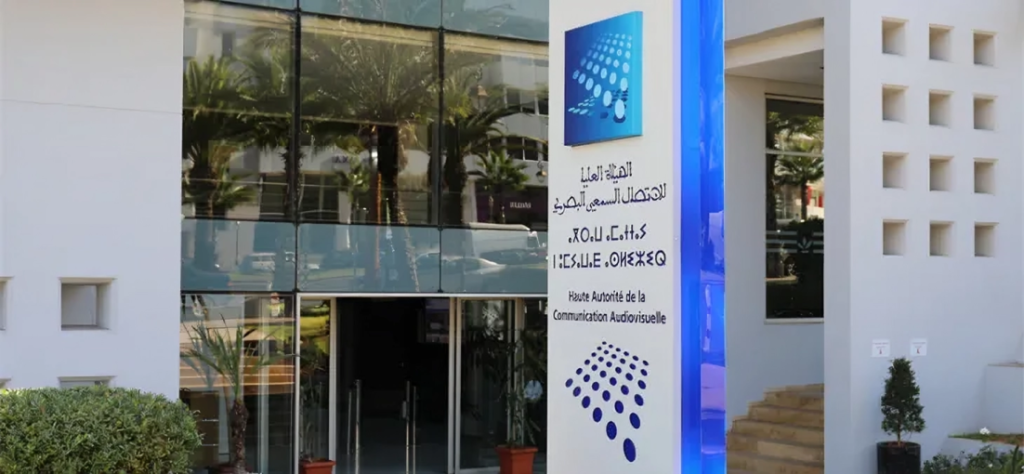
Morocco’s High Authority for Audiovisual Communication (HACA) has introduced new regulations to govern media coverage during the country’s parliamentary elections, scheduled for September 23, 2026. The framework aims to safeguard political pluralism, media neutrality, and equitable access to audiovisual platforms throughout the electoral process.
Approved by the Higher Council for Audiovisual Communication (CSCA), the decision will be published in the Official Bulletin and establishes the rules for political parties and candidates seeking access to radio and television services during the election period.
Under the new framework, the electoral period will span 39 days, running from August 15 to September 22. This includes a 26 day pre-campaign phase followed by an official 13 day campaign period from September 10 to September 22.
HACA said the measures are designed to strengthen transparency and fairness while ensuring voters receive diverse and reliable information before heading to the polls. Media outlets will be required to respect human dignity, protect candidates’ privacy, and uphold Morocco’s constitutional principles. Content that promotes hatred, racism, or violence will be prohibited.
The regulator has also drawn a distinction between election coverage and entertainment programming. Broadcasters will be barred from airing concealed political advertising. Journalists and presenters who are candidates or who publicly support candidates must suspend their on-air activities during the electoral period.
The rules further require experts, academics, and social media influencers participating in election-related programs to disclose any conflicts of interest that could affect their commentary or analysis.
A major focus of the decision is the fight against disinformation. HACA reaffirmed restrictions on election opinion polls, prohibiting their publication from the fifteenth day before the official campaign period until voting concludes, in line with existing legislation.
The new regulations also address the growing role of artificial intelligence in political communication. HACA has banned the broadcast of manipulated or AI-generated electoral content intended to deceive the public or compromise democratic debate.
Any artificial intelligence content used for educational or explanatory purposes must carry a clear and permanent notice informing audiences that AI technology was involved in its production.
The authority also urged broadcasters to reflect Morocco’s linguistic and territorial diversity in election coverage. Media operators are encouraged to support greater gender balance among political representatives featured on air and to ensure women are actively included in electoral discussions, while political parties remain responsible for selecting their spokespersons.
Accessibility requirements form another key part of the framework. Election-related programming must be made available to people with disabilities through sign language interpretation, subtitles, and audio descriptions when needed. Broadcasters are also encouraged to include young people and Moroccans living abroad in electoral debates and discussions.
To ensure compliance, HACA will inform radio and television operators of the new obligations and organize briefing sessions for editorial managers. A dedicated monitoring committee composed of officials from several departments will oversee implementation throughout the electoral period.
The CSCA will remain in continuous session during the elections to address any violations related to political pluralism, fairness, neutrality, and the accuracy of electoral information.