


A single psilocybin dose eased depression within two days
A single dose of psilocybin, the psychedelic compound found in magic mushrooms, produced rapid improvements in depression in a small Swedish clinical trial, with symptoms easing within two days and more than half of the patients in remission after six weeks, researchers at Karolinska Institutet reported.
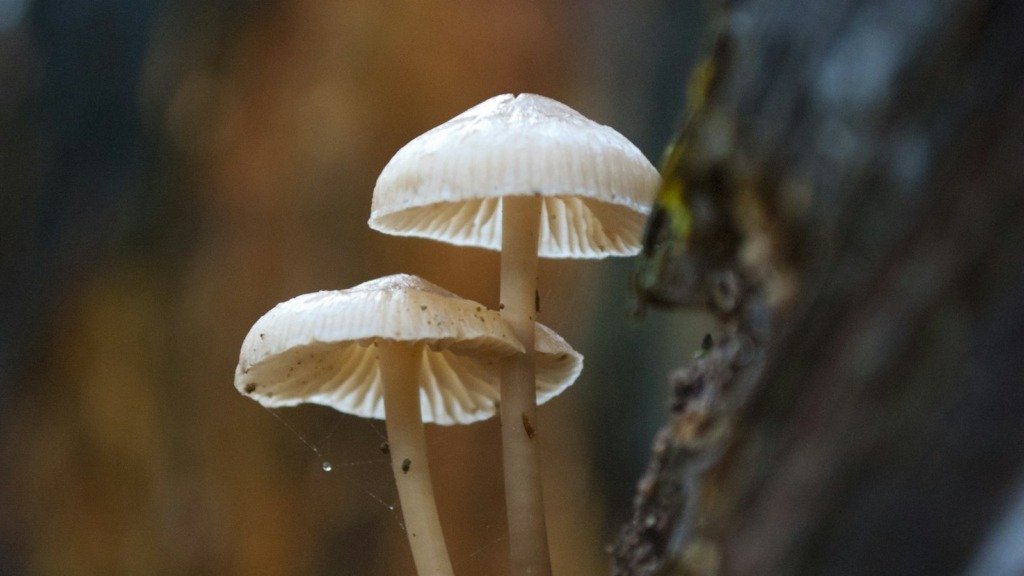
Mushrooms growing on a tree trunk in a forest
In a small Swedish trial, one dose of a psychedelic drug lifted depression within two days, and the benefit lasted for more than three months. The compound was psilocybin, the active ingredient in magic mushrooms, and the study — the first randomised, double-blind trial of its kind in Sweden — was carried out by researchers at Karolinska Institutet and published in JAMA Network Open. Its results were reported on 27 November 2026.
Thirty-five volunteers took part, all of them adults aged 20 to 65 living with depression that kept coming back at moderate or severe intensity. By chance, 17 of them received 25 milligrams of psilocybin and 18 received 100 milligrams of niacin, a vitamin chosen as the comparison treatment because it causes a tingling sensation that makes it hard to tell apart from a real drug. Everyone also attended five therapy sessions spread across 17 days. The work took place at a psychiatric clinic in northern Stockholm from early 2021 to early 2024, with the city’s brain stimulation clinic as a partner.
Eight days after the single dose, the researchers scored everyone on the Montgomery-Åsberg scale, a standard measure of depression severity. The psilocybin group had improved by 9.7 points on average, while the niacin group had improved by only 2.4. That 7.27-point advantage was statistically significant, and the advantage widened to 11.03 points by day 15 before settling at 8.33 points on day 42.
What makes the finding striking is how quickly it arrived. Standard antidepressants usually need weeks before patients feel better, but here the patients themselves reported improvement from the second day, and the advantage over placebo held for a little over three months. By week six, just over half of the psilocybin group — 53 per cent — no longer met the criteria for depression, against only 6 per cent of the placebo group.
Hampus Yngwe, the psychiatrist who led the trial as a doctoral student in clinical neuroscience at Karolinska Institutet, said the results suggested that psilocybin could provide rapid, clinically meaningful improvement in depression and might serve as an alternative to standard treatment when fast symptom reduction is important. Johan Lundberg, professor at the Department of Clinical Neuroscience and the Centre for Psychiatry Research, who led the study, added an important warning: the treatment is not risk-free, and some patients may need extra support.
The caution is built into the design. Almost every volunteer worked out correctly which treatment they had been given, which the researchers accept could have coloured the results, since a psychedelic trip is almost impossible to hide. The trial report also records that two participants who received psilocybin experienced persistent severe anxiety that needed medical attention, and that no drug-related serious adverse events occurred. The benefit also faded with time: by one year after treatment, the difference between the groups, 3.68 points, was no longer statistically significant, which suggests that a single dose may not be enough on its own and that repeated treatments may be needed.
Why this trial is different
Earlier studies of psilocybin for depression focused mainly on people whose depression had resisted other treatments, or on depression linked to cancer. This trial asked a broader question: whether the compound could help people with the more common form of the illness, recurrent major depressive disorder, in ordinary psychiatric care. The answer, on the trial’s own terms, was yes, quickly, and for months rather than days. That is why the Karolinska team describes the result as a possible alternative for patients who need fast relief, rather than as a replacement for existing treatments.
The scale of the problem gives the result its weight. The World Health Organization estimates that about 280 million people worldwide live with depression, including about 5 per cent of all adults, and that more than one billion people live with a mental health condition of some kind. Depression and anxiety together cost the global economy an estimated 1 trillion dollars a year, mostly in lost productivity, and the WHO calculates that every dollar invested in scaling up treatment for depression and anxiety returns about 4 dollars in better health and ability to work.
Against those numbers, a treatment that works in two days rather than six weeks is not a curiosity. It is a different kind of medicine, and that is why the trial has drawn attention well beyond Sweden. But the Karolinska researchers are careful about what their 35 patients can and cannot prove. A small trial cannot establish how consistently the benefits will last, or whether additional doses would improve long-term outcomes, and the fact that patients knew which treatment they had received means the size of the effect may be overstated. Larger trials, with better blinding, are the next step.
Norrsken Mind, a Swedish mental-health foundation, paid for the trial together with the Swedish Research Council, and its full results appear in JAMA Network Open under the title Short-Term and Late-Term Effects of Psilocybin on Symptoms in Major Depression. The paper itself was published on 15 May 2026; the Karolinska release and the ScienceDaily report that carried the findings to a wide audience appeared on 26 and 27 November 2026.
What it means for Morocco
For Morocco, the result is science to watch, not a treatment to seek. Psilocybin is a controlled substance in Morocco, and there is no legal access to psilocybin therapy in the country. No Moroccan patient should try to obtain magic mushrooms or to copy the trial on their own: the Swedish patients received a measured pharmaceutical dose in a clinic, with five support sessions and medical supervision, and even then two of them needed extra help for severe anxiety. Self-medication with mushrooms carries real risks, including panic, dangerous behaviour and lasting psychological harm, and it has none of the safeguards that made the trial possible.
What Morocco can take from the study is the direction of travel. Depression is one of the most common and most disabling illnesses in the world, and Moroccan psychiatrists, like their colleagues everywhere, are watching for treatments that work faster than the drugs available today. If larger trials confirm the Karolinska result, psilocybin-assisted therapy could one day join the range of treatments offered in specialist clinics, under strict medical control, in countries that choose to allow it. That day is years away, and it will arrive only through the same route the Swedish trial took: small careful studies, then bigger ones, then regulators deciding on the evidence.
Until then, the honest message for anyone in Morocco living with depression is the one the trial itself supports: effective treatments exist today, they work for most people, and the fastest help is a doctor, not a mushroom. The Swedish study is a glimpse of what the next generation of depression care might look like, and its 53 per cent remission rate after six weeks is a number worth remembering. It is not a prescription, and it is not a promise.







Comments (0)