World Cup halftime show sparks backlash over extended break
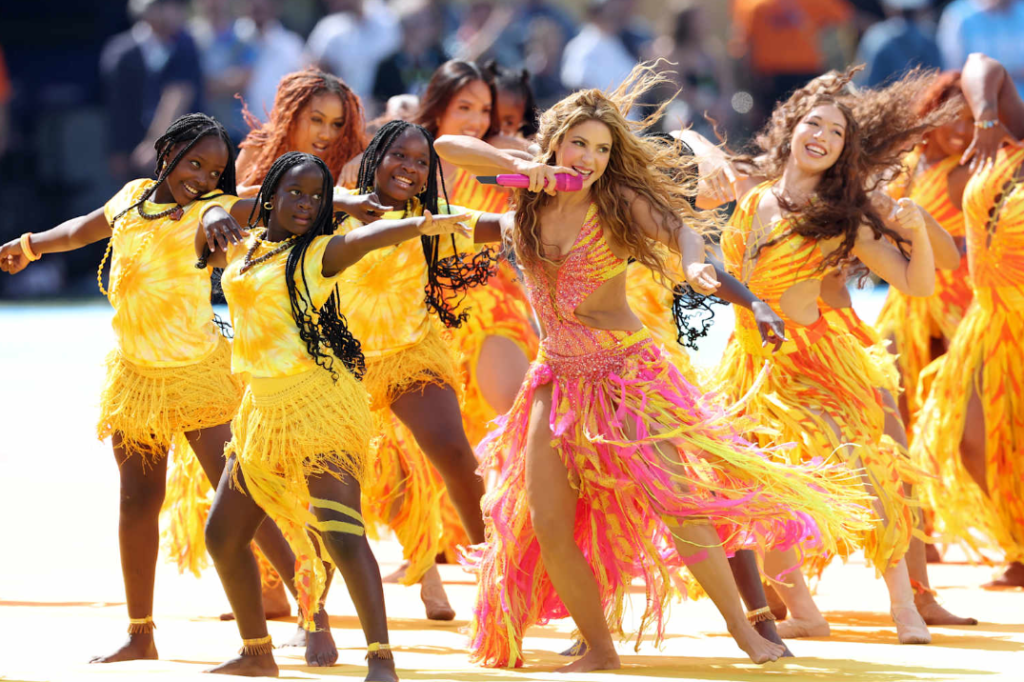
The first-ever World Cup halftime show during a FIFA World Cup final has triggered widespread criticism after the interval between Spain and Argentina stretched to more than 27 minutes, nearly double the standard 15-minute break permitted under FIFA regulations.
Held at MetLife Stadium in New Jersey, the show featured performances by Madonna, Shakira, BTS, Justin Bieber and Burna Boy. The event was orchestrated by Chris Martin of Coldplay and produced by Global Citizen. While FIFA promoted the spectacle as a landmark celebration linking sport, music and global impact, many football supporters argued that it disrupted the rhythm of the match and shifted attention away from the sport itself.
Among the most vocal critics was former England captain Wayne Rooney, who was working as a BBC pundit during the final. Rooney said he enjoyed many of the artists involved but described the show as disappointing. His comments quickly gained attention and reflected the frustration expressed by many viewers and football traditionalists.
Reports indicated that FIFA had informed the Spanish and Argentine football federations before the match that the halftime interval would be limited to 17 minutes. The actual break, however, exceeded that figure by a considerable margin, fueling criticism about the organization and execution of the event.
The controversy has also revived concerns about the growing commercialization of football. Critics argued that the halftime production resembled the entertainment model used during the Super Bowl and represented an attempt to introduce American-style sports entertainment into the world’s most popular game.
Opposition to the concept had emerged before the final. Robert Smith, lead singer of The Cure, publicly criticized both FIFA and the decision to stage a halftime show during the championship match. Following the final, detractors pointed to the lengthy interruption as evidence that the format was unsuitable for football’s biggest event.
Some observers also questioned whether such an extended pause could affect player performance and match intensity. Similar concerns have long surrounded major entertainment breaks in other sports, where athletes must adjust their routines and physical preparation after unusually long interruptions.
The debate was further amplified by political distractions surrounding the event. The presence of U.S. President Donald Trump at the stadium generated reactions from sections of the crowd, adding another layer of controversy to an occasion that many supporters felt should have remained focused on the football.
Although FIFA described the show as a historic initiative and said proceeds would support its education fund, the mixed reception suggests that future editions could face increased scrutiny. For many fans, the World Cup final remains a sporting spectacle that does not require additional entertainment to capture global attention.