
Samsung unveils global AI-powered television lineup for 2026
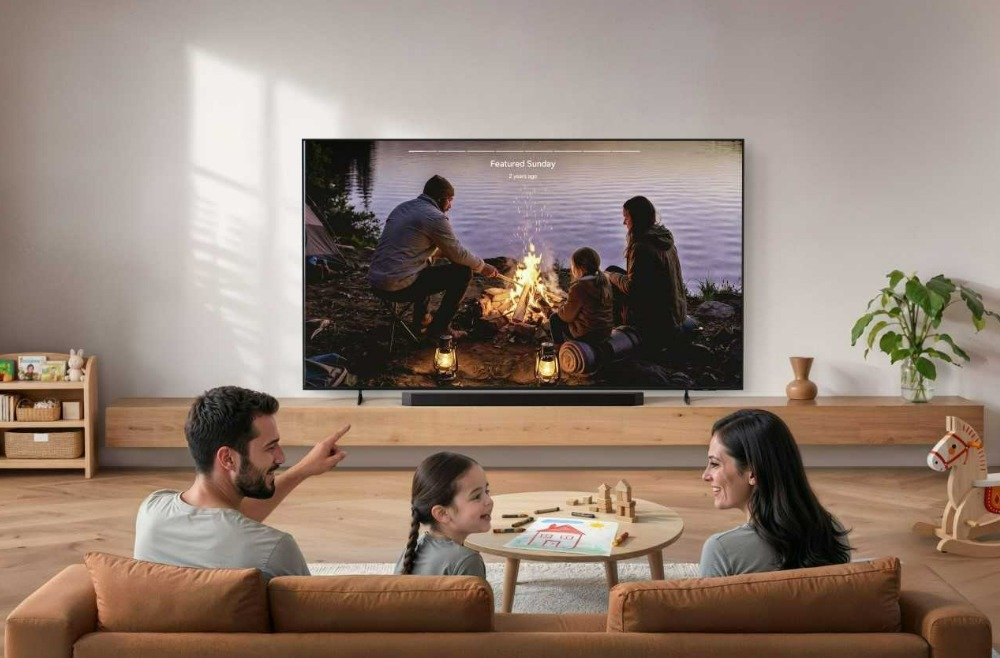
Samsung Electronics has introduced its 2026 global television range, marking a significant expansion of artificial intelligence across its entire display portfolio. The new lineup spans Micro RGB, OLED, Neo QLED, Mini LED and UHD models, positioning AI as a central layer in how users discover, watch and interact with content at home. The launch comes as the company maintains its position as the world’s leading TV brand for the twentieth consecutive year, reinforcing its long-term strategy of integrating software intelligence into consumer electronics.
The announcement, made from Casablanca, highlights a clear shift in Samsung’s approach to television design. The device is no longer presented as a passive screen but as an adaptive system capable of responding to user behavior, content type and environmental conditions. This evolution reflects broader industry trends where smart TVs are becoming fully connected entertainment hubs powered by generative and assistive AI tools.
At the core of the 2026 lineup is Vision AI Companion, a unified platform embedded across Samsung’s 4K and higher-resolution televisions. The system integrates multiple artificial intelligence services, including Bixby, Perplexity and Microsoft Copilot. Together, these tools are designed to assist users in content discovery, provide contextual recommendations and simplify interaction with the device through natural language input.
Samsung executives describe this shift as a move toward more intuitive home entertainment. Hun Lee, executive vice president of the Visual Display division, emphasized that the company’s latest televisions are designed to go beyond traditional viewing. He framed the new generation as a practical companion that reduces friction in everyday use, helping viewers access content more efficiently while enhancing overall engagement.
The AI integration extends into picture and sound optimization. AI Upscaling Pro enhances lower-resolution content in real time, improving sharpness and clarity for modern large-screen formats. AI Soccer Mode adjusts visual and audio settings automatically during sports broadcasts, aiming to replicate a stadium-like atmosphere. AI Sound Controller Pro dynamically balances dialogue and background effects to maintain clarity without manual adjustments.
These features reflect a broader industry race to automate audiovisual refinement. As screen sizes increase and content sources diversify, manufacturers are relying on AI to maintain consistent quality across different formats. Samsung’s approach suggests a focus on personalization, where viewing conditions are continuously adapted rather than statically configured.
A major highlight of the 2026 portfolio is the introduction of Micro RGB technology. Designed for premium large-format displays of up to 115 inches, this system uses advanced pixel-level color control combined with AI-driven image processing. Samsung claims improvements in color precision, brightness and contrast consistency, supported by proprietary engines such as Micro RGB AI Engine Pro and Micro RGB HDR Pro. The top-tier model also carries certifications focused on visual comfort and eye safety issued by Germany’s VDE testing authority.
Alongside Micro RGB, Samsung continues to expand its OLED lineup with the S95H, S90H and S85H series. These models focus on deep black levels, color accuracy and gaming performance. Select versions now include anti-glare technology, while the flagship S95H incorporates Pantone-validated color reproduction and an updated design philosophy aimed at blending the screen into modern interiors.
The company’s lifestyle-oriented television concept, The Frame, also receives an update. Now available in sizes up to 98 inches, it offers access to more than 5,000 digital artworks. The product continues to target consumers seeking a hybrid device that functions both as a television and a decorative object when not in active use.
Neo QLED and Mini LED models have also been upgraded with enhanced AI processing capabilities. Features such as Quantum Mini LED backlighting, NQ4 AI Processor and Motion Xcelerator technology reaching up to 144 Hz aim to improve motion clarity, contrast depth and gaming responsiveness. These improvements reflect growing demand for high-performance displays capable of handling both cinematic and interactive content.
Samsung is also strengthening its audio ecosystem. New lifestyle speakers, Music Studio 7 and Music Studio 5, integrate Dolby Atmos and proprietary technologies such as Q-Symphony and AI Dynamic Bass Control. The objective is to synchronize audio output across devices, creating a more cohesive home entertainment environment.
The company’s broader ecosystem continues to expand through Samsung TV Plus, which now reports over 100 million monthly active users globally. The service provides free, ad-supported streaming content across Samsung televisions, Galaxy devices, smart monitors and connected appliances. This cross-platform strategy positions Samsung not only as a hardware manufacturer but also as a content distribution player.
Integration with external ecosystems is also increasing. Select 2026 models support Google Cast and enhanced Google Photos functionality, allowing users to display personal media directly on large screens. This reflects a growing convergence between cloud services and home entertainment hardware.
Samsung plans to roll out the 2026 AI TV lineup in multiple markets, including Morocco, through authorized retailers and its official online store. The launch reinforces the company’s focus on AI-driven home technology, where televisions function as interactive, connected systems rather than standalone devices.