Moroccan Researcher Ibrahim al-Safi Wins First Place in 2026 Arab Youth Award
Moroccan researcher Ibrahim al-Safi took first place in the 2026 Arab Youth Award from ALECSO’s Institute of Arab Research and Studies for a media study.
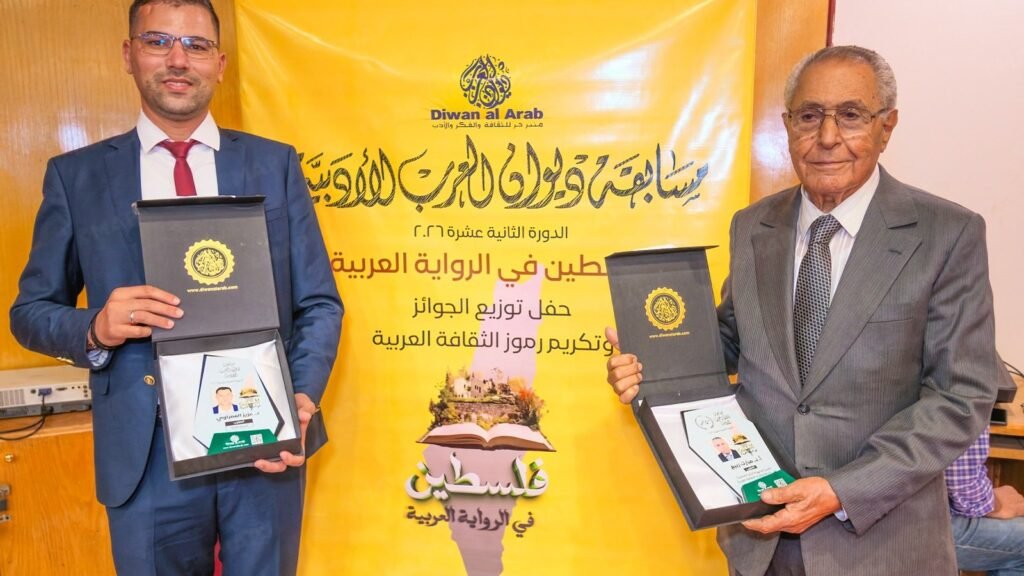
Photo: MAP
Moroccan researcher Dr Ibrahim al-Safi or Essafi has taken first place in the 2026 Arab Youth Award, organised by the Institute of Arab Research and Studies of the Arab League Educational, Cultural and Scientific Organization (ALECSO), for a study on the economics of Arab media narratives.
His winning work is titled “The Economy of the Arab Media Narrative: An Analytical Approach to Building Soft Power and Enhancing International Reputation”. This year’s edition ran under the theme “The future of development in the Arab world… visions for 2030” and drew researchers from several Arab countries, including Morocco, Algeria, Jordan, Egypt and Palestine.
The study examines the gap between the volume of Arab media output and investment on one hand, and its limited conversion into lasting international influence on the other. Essafi argues the problem goes beyond content quality or funding, pointing instead to the absence of an integrated business model linking production, distribution, financing and economic value.
Two concepts frame the analysis. The “truncated narrative cycle” explains why Arab content stalls between production and distribution, financing and impact. The notion of “distributed soft power” shows how digital distribution channels and control of algorithms determine how far a message actually travels.
Essafi proposes an independent “Arab Agency for Creative Content” to coordinate Arab efforts and negotiate collectively with major digital platforms over the terms on which Arab content is distributed. The body would tie international reach to measurable development returns, such as cultural tourism and creative-industry exports. His comparative analysis draws on the experiences of South Korea, India and China.
Thanking the institute and the jury, Essafi said he hoped the study would help Arab countries move “from the position of digital consumer to that of an actor able to own the channels that carry its content, invest its value and take part in shaping its international image.”
Media competition, he added, now extends to owning distribution tools, controlling access to audiences and securing lasting economic and strategic returns.