Netanyahu Iran war reshaped the Middle East beyond the battlefield
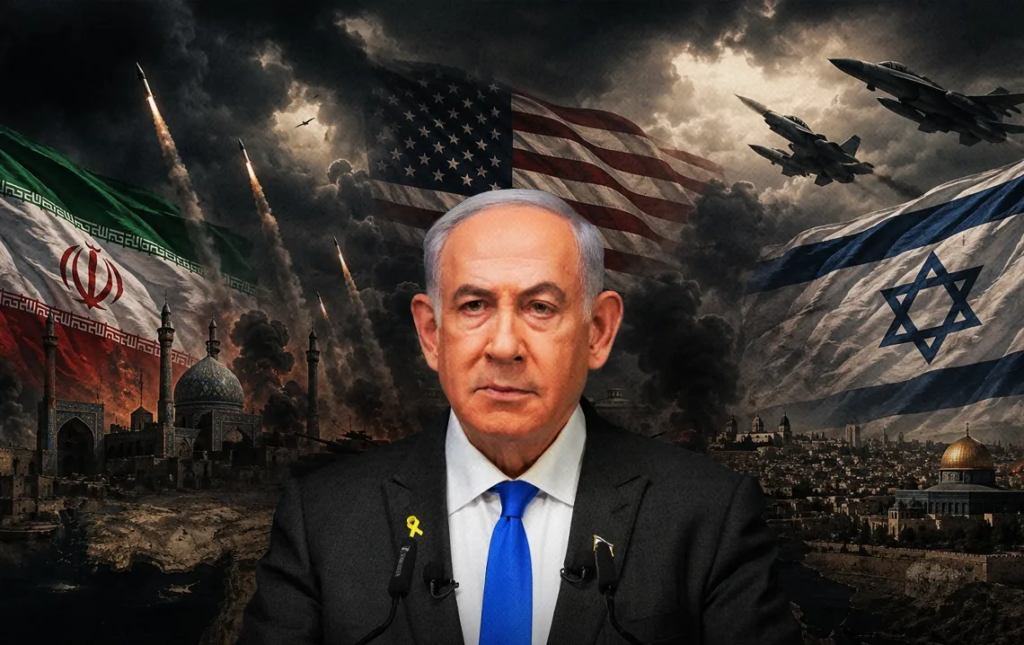
The Netanyahu Iran war has expanded far beyond the confrontation between Israel and Iran, drawing the United States, Gulf states, Iraq, Yemen, Lebanon, Syria and Jordan into a conflict with shifting fronts and competing security calculations.
The conflict began on February 28 with coordinated US and Israeli strikes against Iran that killed Supreme Leader Ayatollah Ali Khamenei, according to the source article. Washington and Israel presented the campaign as an effort to halt Iran’s nuclear program. The timing, however, drew scrutiny because negotiations between Washington and Tehran had been advancing. Some analysts argued that the strikes could have been intended to prevent a diplomatic settlement. The motive remains disputed.
The military burden has also been uneven. The United States carried much of the sustained campaign against Iran, including air operations from Gulf bases and naval operations around Iranian ports. Iran responded by targeting countries whose territory and infrastructure supported the wider military campaign.
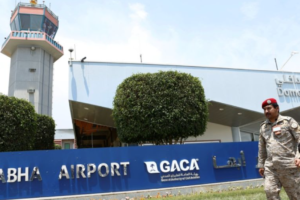
Qatar was hit by 203 missiles and 87 drones. Saudi Arabia faced at least 38 missiles and 435 drones, including attacks targeting energy infrastructure and Riyadh. A strike on the Aramco refinery at Ras Tanura in March disrupted operations at the kingdom’s largest refinery and contributed to a rise in global oil prices. Jordan was targeted 204 times, while two US soldiers were killed in one attack. Ports in Oman were also struck.
The Strait of Hormuz became another major battlefield. Sixteen vessels belonging to Abu Dhabi’s national oil company were attacked after the conflict began, according to the source article. One crew member was killed and 20 were injured.
The Gulf searches for new security guarantees
The attacks pushed Gulf states to strengthen their own military responses. Saudi and Kuwaiti aircraft struck Iranian-aligned militia positions in Iraq, while Riyadh repeatedly stated that it did not seek escalation but would respond to attacks.
The conflict also expanded through Yemen. The Houthis declared a naval blockade targeting Saudi shipping and attacked infrastructure connected to the transport of oil from the Eastern Province toward the Red Sea. On August 6, Houthi ballistic missiles and drones struck military camps in Marib and Hadramawt. Yemeni authorities reported at least 30 government soldiers killed.
The developments have also affected relations between Iran and the Gulf. Saudi Arabia and Iran had restored diplomatic relations in 2023 after years of rivalry. The new conflict has placed that rapprochement under renewed pressure.
The source argues that this development could benefit Israel by reinforcing the perception of Iran as the main regional threat. Israel has long supported closer security ties with Arab states as part of a broader regional framework.
Saudi Arabia, however, has not simply moved closer to Israel. Riyadh has continued to link normalization with Israel to progress toward Palestinian statehood and has sought additional security arrangements outside the traditional US framework.
In September 2025, Saudi Arabia signed a strategic mutual defense agreement with Pakistan. The agreement stated that aggression against either country would be treated as aggression against both. In May 2026, Saudi Arabia invoked the agreement as Iranian attacks intensified, prompting Pakistan to deploy troops, aircraft and drones, according to the source.
On August 7, Saudi Arabia, Turkey and Pakistan signed the Mecca Joint Defense Agreement. The agreement states that an armed attack against one of the three countries would be considered an attack against all three.
The agreement does not identify Iran as an adversary. Turkish and Saudi officials also stressed that it did not create a military or sectarian bloc. Analysts have nevertheless interpreted the agreement as evidence that Gulf states are seeking additional security options beyond Washington.
The conflict opens new fronts
While international attention remained focused on Iran and the Strait of Hormuz, Israel expanded military operations in neighboring territories.
Israel launched a ground operation in southern Lebanon on March 16. Eight days later, its defense minister said Israel would destroy Lebanese border villages and maintain control over territory extending toward the Litani River.
Israeli forces also expanded operations in southern Syria while maintaining military pressure in Gaza and the West Bank. The source article cites an open-source investigation by Al Jazeera that estimated Israel controlled about 1,000 square kilometers across Gaza, Lebanon and Syria by mid-2026.
The consequences in Gaza remain central to international scrutiny. The UN Independent International Commission of Inquiry concluded that there were reasonable grounds to determine that Israeli authorities and forces had committed four acts prohibited under the Genocide Convention. Amnesty International separately concluded that Israel had committed and continued to commit genocide against Palestinians in Gaza.
Israel rejects allegations of genocide and has repeatedly said its military campaign targets Hamas and seeks to protect Israeli civilians.
The conflict has also carried a heavy cost for Israel. Iran remains capable of retaliation, while Israel faces international criticism over its conduct in Gaza and military operations across several fronts. The economic and military burden of a prolonged regional confrontation has also increased.
The source therefore distinguishes between overall victory and relative strategic gains. It argues that Israel has benefited from developments around the Iran conflict even though Iran remains capable of resistance and Israel has faced significant political, military and economic costs.
Egypt balances competing pressures
Egypt has adopted a cautious position throughout the conflict.
Cairo condemned Iranian attacks against Gulf states and deployed Rafale fighters and air defense systems to support Gulf partners. At the same time, Egypt called publicly for an end to the war and maintained diplomatic contacts with different sides.
President Abdel Fattah el-Sisi said that only US President Donald Trump could stop the conflict. Egypt also participated in mediation efforts involving Saudi Arabia, Pakistan and Turkey while maintaining intelligence contacts with Iran.
The position reflects Egypt’s need to protect its regional relationships while limiting the economic consequences of the conflict. Disruptions to energy and shipping routes have affected Egyptian businesses and electricity supplies.
The broader regional picture remains unsettled. Military agreements have multiplied, new fronts have opened and governments have sought security arrangements outside traditional alliances.
The Netanyahu Iran war has therefore produced effects that extend beyond the original confrontation. The conflict has altered regional calculations, intensified rivalry between Iran and Gulf states and encouraged governments to reconsider how they organize their security.
The fighting has also created conditions in which territorial changes and military operations elsewhere have received less international attention.
The source article ultimately argues that the central measure of the conflict should not be limited to battlefield victories. It should also consider which actors have expanded their influence, which states have absorbed the greatest costs and how the regional balance has changed.