Morocco’s Seguia Yaagoubia park strengthens biodiversity conservation efforts
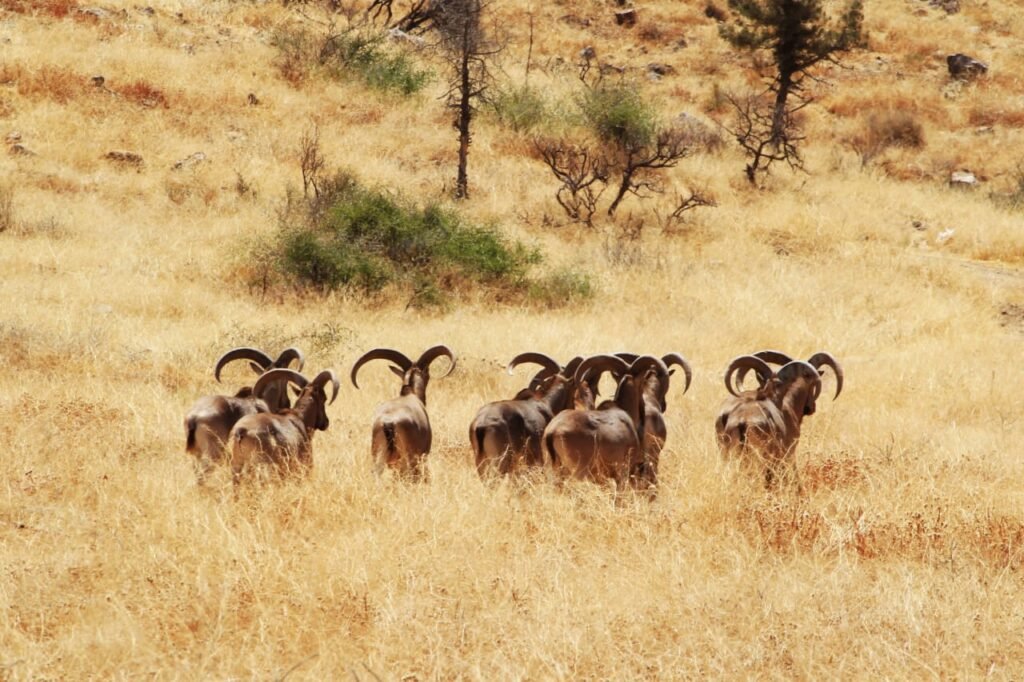
The Seguia Yaagoubia educational and recreational park in El Kelaà des Sraghna is emerging as a key site for wildlife conservation, ecosystem restoration and environmental awareness, combining biodiversity protection with public access under Morocco’s sustainable development strategy.
Developed through a partnership between the National Agency for Water and Forests (ANEF), the Provincial Council and the Territorial Municipality of El Kelaà des Sraghna, the park serves as both a conservation area and a recreational destination. Established within a nationally significant protected zone created in 1952, the site spans nearly 380 hectares, including 20 hectares developed as an urban and peri urban forest open to visitors.
The park forms part of the implementation of the “Forests of Morocco 2020–2030” strategy, particularly the national plan for the conservation and restoration of wildlife. The initiative aims to rebuild populations of threatened species while strengthening their contribution to ecosystem balance through habitat restoration, scientific monitoring and cooperation with local stakeholders.
A center for wildlife conservation
According to Said Dahous, ANEF provincial director in El Kelaà des Sraghna, the park currently hosts around 143 Barbary sheep and 39 Dorcas gazelles. The site serves as a breeding and conservation center designed to support the repopulation of other natural habitats.
He noted that two wildlife transfer operations were carried out at the beginning of 2026 to the M’Hamid El Ghizlane area in Zagora Province, helping restore wild populations within their natural environment.
Dahous also highlighted investments made by ANEF and its partners to reinforce the ecological, educational and recreational functions of the park.
These efforts include the creation of an information center dedicated to raising awareness about forest ecosystems, the development of 11 kilometers of tracks and 11 kilometers of walking trails, and the installation of infrastructure supporting wildlife welfare. Facilities include watering points, feeding stations, a water storage basin and a borehole that ensures a permanent water supply for animals.
Part of a wider regional strategy
Mouna Touami, head of the Partnership and Territorial Animation Service at the ANEF regional directorate of Marrakech Safi, said the park reflects the agency’s broader commitment under the “Forests of Morocco 2020–2030” strategy, which places the protection of endangered species and ecosystem restoration at the center of its objectives.
She explained that the national wildlife conservation plan is based on a long term vision aimed at rebuilding viable populations of emblematic species in their natural habitats. The approach relies on habitat protection and restoration, scientific monitoring of wildlife populations, partnerships with territorial actors and the sustainable promotion of biodiversity.
The program covers several species including the Dorcas gazelle, Cuvier’s gazelle, Barbary sheep, Dama gazelle, Addax, Scimitar horned oryx, Barbary deer and Northern bald ibis.
Touami also emphasized the biological richness of the Marrakech Safi region, which includes five wildlife reserves in addition to Toubkal National Park. These protected areas cover nearly 2,800 hectares and play a significant role in safeguarding wildlife and maintaining ecological balance.
Beyond its conservation mission, the Seguia Yaagoubia park supports environmental education and public awareness, particularly among younger generations, while contributing to the promotion of natural heritage and the ecological attractiveness of El Kelaà des Sraghna Province.