
Middle East aerospace firms strengthen global supply chain resilience
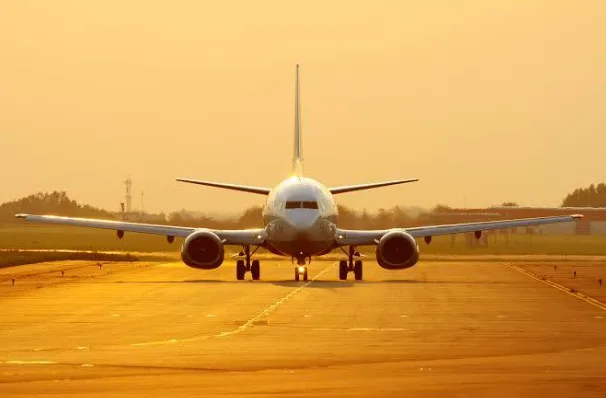
The Middle East aerospace industry has become a key pillar of the global aviation and aerospace sector as manufacturers, maintenance providers, and technology companies across the region expand their role in international supply chains.
While major aerospace centers in the United States, Europe, and Japan remain central to aircraft production and defense technology, global aerospace operations increasingly rely on trusted international partners. Companies based in the Middle East now contribute to aircraft manufacturing, maintenance services, logistics, information technology, and cloud infrastructure that support aviation activities worldwide.
The growing influence of the Middle East aerospace industry reflects years of strategic investment by regional governments and companies. Gulf countries have directed substantial funding toward manufacturing facilities, maintenance infrastructure, research programs, and emerging technologies, including artificial intelligence. These efforts have enabled regional firms to integrate into global aerospace networks and attract partnerships with major international manufacturers.
Several companies have established important positions within the sector. UAE-based Strata Manufacturing produces composite aircraft structures for Boeing. Aerospace Technical Services (ATS), operating in Jordan and the United Arab Emirates, provides maintenance, repair, and overhaul services. Turkish Aerospace Industries previously played a significant role in the F-35 Lightning II program before 2019.
For Western aerospace companies seeking greater supply chain diversification, the Middle East offers strategic geographic connectivity, access to capital, favorable business conditions, and a skilled workforce. These advantages have become increasingly valuable as geopolitical tensions and recent supply chain disruptions exposed vulnerabilities in concentrated production networks.
The importance of the Middle East aerospace industry has grown further amid rising competition among major powers and disruptions affecting global trade. Regional partners help ensure the continued availability of components, technical expertise, and maintenance capabilities when other parts of the world face operational challenges. In this environment, diversification has become a strategic requirement rather than an efficiency concern.
At the same time, geopolitical developments have created new challenges for companies operating in the region. Russia’s invasion of Ukraine in 2022 and the international sanctions imposed on Moscow placed many aerospace and aviation firms under heightened scrutiny due to their global business relationships.
Several major carriers, including Turkish Airlines and Emirates, faced criticism in Western countries for maintaining air connections and commercial ties with Russia, despite operating within existing sanctions frameworks. Global logistics company DP World also became linked to geopolitical debates because of its extensive international operations and cargo activities involving Russia.
Aerospace Technical Services recently encountered allegations related to the sale of aircraft parts and sensitive technology to Russia. The claims were later withdrawn and determined to be unfounded, but the controversy nevertheless affected the reputation of the company and its chief executive, Mahdi Suliman Hamed Al Tahaineh. Other UAE-based firms also underwent scrutiny by advocacy groups examining trade activities connected to Russia, although these reviews did not result in legal action.
Companies in the aerospace sector generally maintain extensive compliance systems due to the sensitive nature of their activities and the importance of preserving international trust. However, recent events have demonstrated how unverified allegations and inaccurate information can spread rapidly and influence public perception before official investigations or findings are completed.
Industry stakeholders therefore face the challenge of distinguishing between proven sanctions violations and unsupported claims. As global aerospace operations become increasingly interconnected, maintaining confidence in trusted international partnerships remains essential to ensuring the stability and resilience of worldwide aerospace supply chains.