Leila Benali advances CADETAF reforms to strengthen artisanal mining
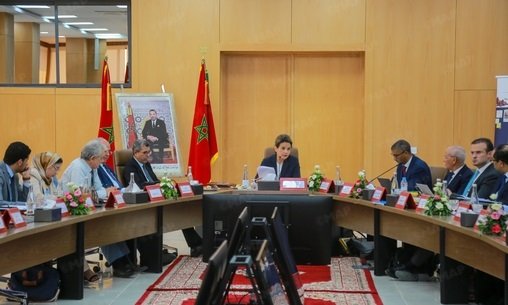
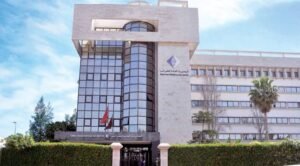
Morocco’s CADETAF reforms moved forward as Minister of Energy Transition and Sustainable Development Leila Benali chaired the fourth meeting of the Board of Directors of the Central Purchasing and Development Agency for the Tafilalet and Figuig Mining Region (CADETAF) in Errachidia.
The board approved the minutes of its previous meeting held on October 31, 2025. Members reviewed the agency’s 2025 activity report, assessed progress on its 2026 action plan, and examined a performance development strategy alongside a 2027-2030 action program designed to strengthen the institution’s efficiency and reinforce its role in supporting mining development across the region.
The meeting also examined the main pillars of Morocco’s legislative, regulatory, and institutional reform of the artisanal mining sector. Board members reviewed progress on resolving the partnership issue between CADETAF and MARITA, received updates on the public competitive tender process within the mining region, and discussed plans to establish a laboratory and a training and qualification center for artisanal miners. The proposed facilities are intended to improve technical capacity, enhance service quality, and strengthen the competitiveness of the sector.
Addressing the board, Benali said the meeting came at a time when Morocco’s mining sector is undergoing significant reforms in line with the strategic directions of King Mohammed VI. She said the reforms seek to modernize the legal, regulatory, and institutional framework governing mining while increasing the sector’s contribution to economic and social development, promoting good governance, sustainability, and adapting the industry to national and international developments.
The minister reaffirmed that developing artisanal mining remains one of the ministry’s priorities because of its contribution to job creation and regional development. She said the government will continue implementing a comprehensive reform strategy aimed at modernizing the legislative and institutional framework governing artisanal mining, improving its attractiveness to investors, and enhancing working conditions for artisanal miners while promoting the sustainable use of Morocco’s mineral resources.
Benali also highlighted CADETAF’s role in supervising and supporting artisanal miners, expanding dedicated services, and strengthening governance across the mining region. She said these efforts contribute to sustainable economic and social development for local communities.
She noted that, following decisions adopted during the previous board meeting, the ministry organized consultation meetings and workshops involving stakeholders and traditional mining operators. According to the minister, the participatory process helped identify practical solutions to improve mining activities in the region.
The consultations resulted in a package of measures aimed at establishing more effective management mechanisms, simplifying administrative procedures, and improving governance. Benali said the reforms take into account the specific challenges facing traditional mining while supporting its integration into Morocco’s broader mining development strategy.
At the end of the meeting, the board adopted a series of decisions and recommendations to accelerate the implementation of CADETAF’s strategic projects, strengthen governance, improve management efficiency, and reinforce the agency’s contribution to Morocco’s national mining development strategy and sustainable regional development.
On the sidelines of the meeting, Benali signed two strategic agreements to enhance the geological, mining, and energy potential of the Drâa-Tafilalet region. The first agreement concerns the production of geoscientific maps following approval by the Regional Council of Drâa-Tafilalet during its July 6 session.
The second agreement provides for the creation of a permanent exhibition space dedicated to promoting the region’s geological, mining, and energy heritage within the former Errachidia railway station. The project follows an agreement with the Errachidia Municipal Council, which approved the initiative on July 15, 2026. The project is expected to support the preservation of Morocco’s geological heritage while strengthening the scientific, cultural, and tourism profile of the region.