Iran-backed militias widen Middle East attacks against US interests
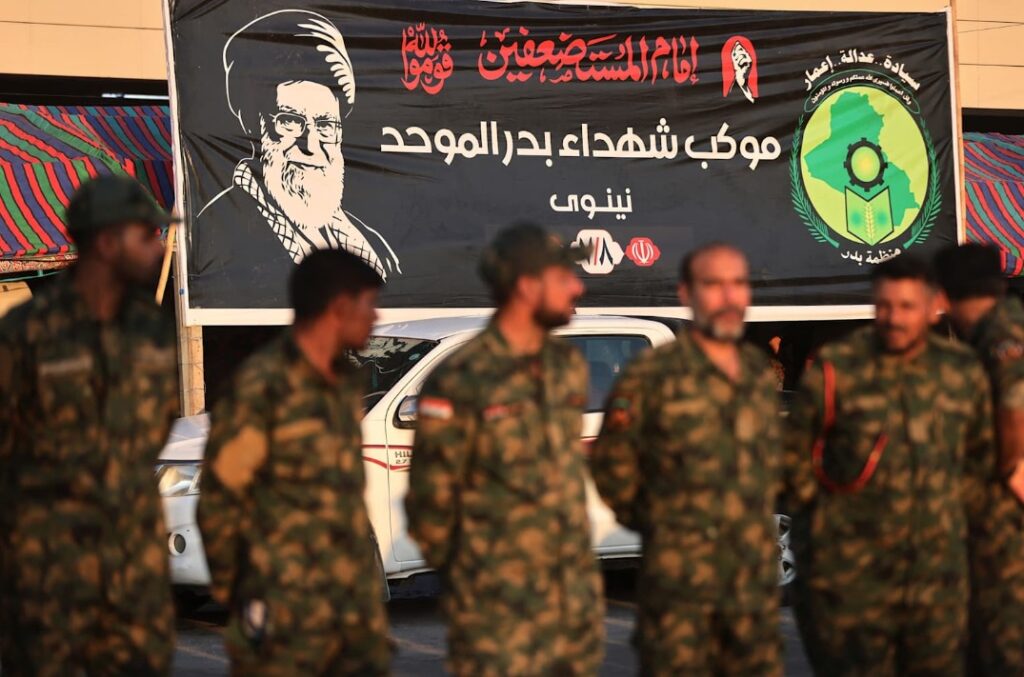
Iran-backed militias have expanded coordinated attacks across the Middle East as part of a strategy aimed at increasing the cost of the conflict for the United States. The campaign has targeted energy infrastructure, commercial shipping and American military facilities in several countries, raising concerns about a broader regional escalation.
According to reports from The New York Times, Iranian officials developed the plan during a spring ceasefire. The strategy called for activating Tehran’s regional allies if the United States intensified its military campaign. Mahdi Mohammadi, a senior adviser to Iran’s chief negotiator, publicly described how the so-called “Axis of Resistance” would pressure Washington by striking US partners and disrupting global energy markets.
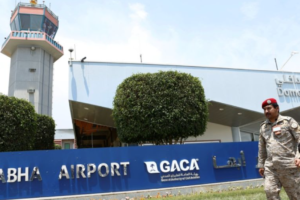
The plan quickly moved into action. A drone strike caused heavy smoke over Saudi Arabia’s largest oil processing complex. Two liquefied natural gas carriers caught fire at an Egyptian port near the Suez Canal. Kuwait’s military later said it intercepted Iranian drone attacks that struck several vital facilities, including a government building in the country’s north. On the same day, the British Navy reported that a tanker had been hit in the Strait of Hormuz near the coast of Oman.
Regional proxy groups have also intensified operations. Yemen’s Houthi movement forced eight Saudi vessels to divert from the Bab el-Mandeb Strait after declaring a blockade on Saudi shipping. Iran-aligned Iraqi militias reportedly launched attacks against Saudi oil infrastructure, expanding pressure on regional energy supplies.
Security analysts say the network of Iranian proxy forces has regained operational capacity after suffering significant setbacks following Israel’s military campaigns launched after the Hamas attack in 2023. Danny Citrinowicz, a former head of the Iranian division of Israeli military intelligence, said the Axis of Resistance remains active and continues to adapt rather than disappear.
Reports by CNBC noted that attacks on Saudi oil facilities and pipeline infrastructure demonstrate how Tehran’s allied groups can broaden the confrontation beyond direct hostilities between the United States and Iran, creating additional economic and security risks across the region.
Washington has responded with increasingly strong warnings. President Donald Trump said from Camp David that the United States would strike Iran “very hard” until it surrendered. White House Press Secretary Karoline Leavitt accused Tehran of violating a June memorandum by attacking commercial vessels and killing American service members. The US State Department also issued security alerts for American citizens in ten countries across the region.
Iran rejected the accusations and warned against further military action. Foreign Minister Abbas Araghchi said any aggression by the United States, Israel or regional partners would trigger a decisive and proportionate response. Trump later announced that he had cancelled a planned strike on Iran after saying the outlines of a possible agreement had begun to emerge, leaving diplomatic efforts and military pressure unfolding simultaneously.