Arab Parliament commends HM King Mohammed VI’s role in defending Jerusalem
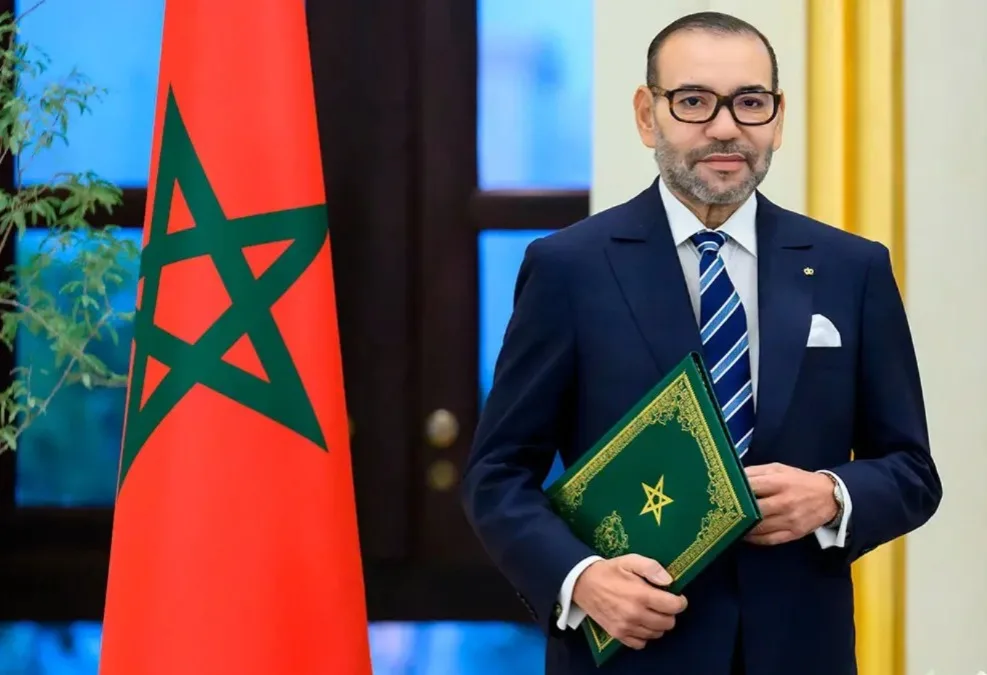
The Arab Parliament has renewed its support for His Majesty King Mohammed VI, praising his leadership of the Al-Quds Committee and his continued efforts to defend Jerusalem’s historical status while supporting the Palestinian people.
The endorsement came during the eighth Conference of the Arab Parliament and the Presidents of Arab Councils and Parliaments, held at the headquarters of the League of Arab States in Cairo. Organized jointly by the Arab Parliament and the Arab Parliamentary Union, the gathering brought together parliamentary leaders from across the Arab world to discuss key regional challenges, with the Palestinian cause remaining at the center of deliberations.
In a resolution adopted at the close of the conference, delegates commended HM King Mohammed VI for his commitment to safeguarding Jerusalem and strengthening support for Palestinians, particularly residents of East Jerusalem. The resolution highlighted the strategic role played by the Al-Quds Committee, which operates under the Organization of Islamic Cooperation and has long been regarded as one of the principal Arab and Islamic mechanisms dedicated to preserving the city’s identity and supporting its inhabitants.
The conference emphasized that the committee, under the chairmanship of HM King Mohammed VI, continues to contribute to the protection of Jerusalem’s religious, cultural, and historical heritage. Participants noted that its initiatives have helped reinforce the resilience of Palestinian communities facing political, economic, and social pressures.
Support for Jerusalem’s status
Delegates strongly reaffirmed their commitment to preserving Jerusalem’s legal and historical character. The final resolution rejected actions aimed at altering the city’s demographic composition or undermining its internationally recognized status.
Participants stressed that Jerusalem remains a central issue for Arab nations and reiterated support for efforts designed to protect the city’s heritage and maintain its significance for followers of the Abrahamic religions.
The resolution also reflected growing concern across the region regarding developments affecting Jerusalem. Arab parliamentary leaders argued that preserving the city’s identity is essential for maintaining prospects for a future political settlement and ensuring stability in the region.
Backing Palestinian rights
The conference reiterated support for what it described as the legitimate and inalienable rights of the Palestinian people. Chief among these is the establishment of an independent and sovereign Palestinian state based on the borders of June 4, 1967, with East Jerusalem as its capital.
Delegates further reaffirmed support for the rights of Palestinian refugees, including the right of return and compensation in accordance with international law and relevant United Nations resolutions.
These positions remain consistent with longstanding Arab diplomatic efforts and reflect the continued commitment of regional institutions to a negotiated solution to the Israeli-Palestinian conflict.
Commitment to the two-state solution
The conference underscored that the two-state solution remains the most viable framework for achieving a comprehensive and lasting peace. Participants emphasized that any future settlement must be based on international legitimacy, United Nations resolutions, and the principles outlined in the Arab Peace Initiative.
At a time when diplomatic efforts continue to face significant challenges, Arab parliamentary leaders stressed the importance of maintaining international engagement and preserving pathways toward a negotiated political process.
The reaffirmation of support for His Majesty King Mohammed VI’s leadership of the Al-Quds Committee reflects the broader Arab consensus regarding the importance of Jerusalem and the Palestinian cause. It also highlights Morocco’s continued role in regional efforts aimed at preserving the city’s heritage, supporting its Palestinian population, and advancing initiatives aligned with a peaceful and just resolution of the conflict.