
Meta and TikTok agree to fact-check Ceuta migration content
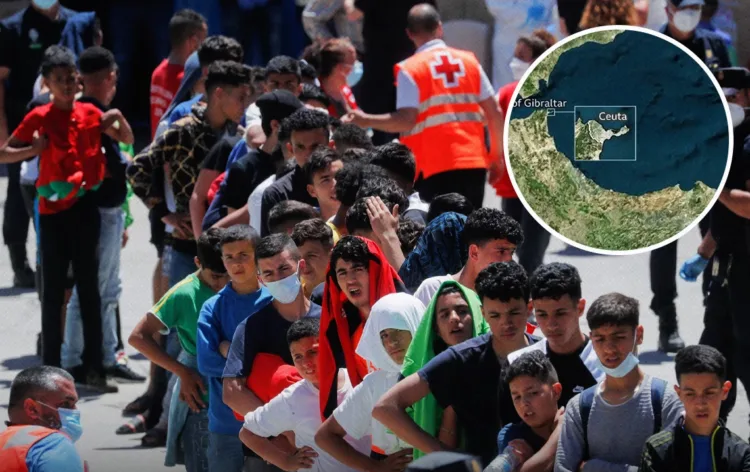
Meta and TikTok will work with the European Union on fact-checking social media content linked to migration attempts into Ceuta from Morocco. The agreement follows a deadly mass crossing in late July and aims to limit false or misleading information that could encourage migrants to attempt dangerous journeys.
EU technology chief Henna Virkkunen said Meta, the parent company of Facebook and Instagram, and TikTok agreed to establish an ad hoc mechanism for cooperation with fact-checkers under existing crisis protocols. The European Commission and Europol are also holding daily discussions with the two platforms over the situation.
Virkkunen also discussed measures with Spain’s digital economy minister Oscar Lopez. The talks focused on preventing further attempts to cross the border and reducing the risk of additional deaths.
More than 70,000 people entered Ceuta from Morocco during the mass rush in late July, according to reports cited in the source. The crossing involved attempts by land and sea and left nearly 100 people dead.
Social media content fueled the crossings
Viral videos circulating on social media contributed to the rush. Some footage showed migrants reaching Ceuta successfully. Other posts created the impression that migrants could enter Spain without being immediately returned.
One video had originally been published by a Spanish news outlet to illustrate the pressure caused by migration in Ceuta. Users later shared the footage as evidence that reaching the enclave was possible.
Other influencers posted videos showing their own crossings. The European Union linked the spread of misleading content to criminal networks seeking to attract potential migrants with false information.
Morocco’s Ministry of the Interior also attributed the migration crisis in Ceuta to misinformation circulating on social media and to false interpretations of a recent Spanish court ruling.
Arrivals increased before the mass crossing
The crisis had already intensified before the July 30 rush. More than 1,100 migrants, including women and minors, reached Ceuta in slightly more than a week.
Many attempted to cross by swimming from Morocco. Videos also showed groups making the journey at night.
On one day, nearly 1,000 people were reportedly rescued from the water by Moroccan authorities and Spain’s Civil Guard. Ceuta authorities said the arrivals placed significant pressure on the city’s security forces and migrant reception system.
Moroccan authorities also participated in rescue operations. Naval units intercepted migrants in waters near the coast.
The agreement involving Meta and TikTok places greater emphasis on the role of social media platforms during migration emergencies. The European Union’s discussions with the companies are aimed at identifying and addressing misleading content that could influence further attempts to cross the border.