
Overthinking erodes daily well-being and raises mental health risks
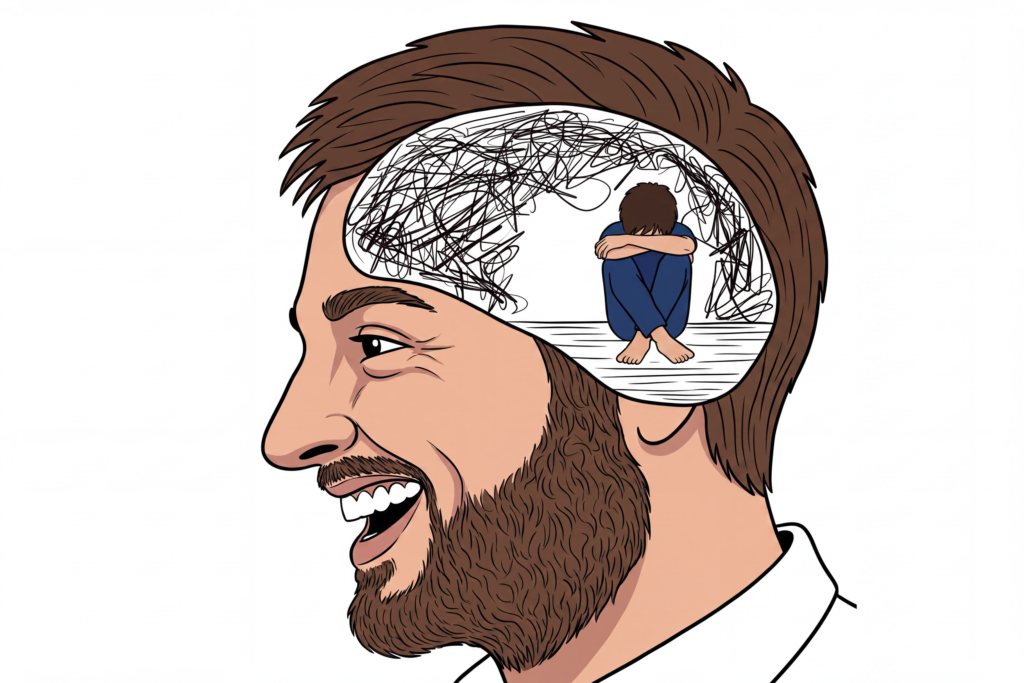
Overthinking can quietly undermine emotional well-being by trapping people in repetitive cycles of negative thoughts. Rather than helping solve problems, overthinking often keeps the mind focused on worries, imagined worst-case scenarios, and past mistakes. Mental health experts say this pattern can reduce the ability to enjoy everyday life and increase psychological distress.
Research has linked chronic rumination to a higher risk of anxiety and depression. Studies published in the Journal of Abnormal Psychology indicate that repeatedly dwelling on personal failures and perceived shortcomings can increase long-term vulnerability to mental health disorders. Researchers also note that persistent rumination does not simply accompany these conditions. It can actively reinforce and worsen them.
Clinical psychologist Susan McAdam says overthinking can turn ordinary uncertainty into a perceived emotional threat. According to her, this cognitive pattern encourages people to expect negative outcomes, keeping the brain in a prolonged state of alertness. Specialists also warn that excessive mental replay can make important decisions more difficult and drain the energy needed to cope with everyday stress.
Medical experts point to biological effects as well. Long-lasting stress caused by repetitive negative thinking may increase cortisol levels, the body’s primary stress hormone. Over time, sustained exposure to elevated cortisol has been associated with changes in brain regions involved in emotional regulation and stress management.
The effects of overthinking extend beyond mental health. People who experience chronic rumination frequently report sleep disturbances, persistent fatigue, headaches, muscle tension, and digestive discomfort. Emotionally, many experience irritability, exhaustion, and a growing sense of emptiness.
Cognitive performance may also decline. Concentration becomes more difficult, memory may suffer, and even routine decisions can become overwhelming. This phenomenon, often described as decision paralysis, occurs when people repeatedly analyze every possible outcome until they struggle to act. Relationships may also be affected as family members and friends become exhausted by constant reassurance-seeking.
Social media has become another factor associated with excessive rumination. Platforms such as Instagram expose users to carefully curated images of success and ideal lifestyles, encouraging constant comparison. Experts say this environment can intensify self-doubt and anxiety while providing endless material for repetitive negative thinking. Research suggests these effects are particularly common among women who report heavier psychological impacts from intensive social media use.
Mental health professionals recommend several evidence-based strategies to interrupt the cycle. One approach involves increasing awareness of recurring thoughts without judging them. McAdam advises periodically checking in with one’s thinking throughout the day, observing thoughts instead of automatically engaging with them.
Another technique is to schedule a specific period each day for worrying, preferably by writing concerns down. When intrusive thoughts appear outside that time, individuals can postpone them until the planned session. Experts say this method helps contain rumination instead of allowing it to dominate daily life.
Mindfulness, meditation, and controlled breathing exercises can also help redirect attention to the present moment. Specialists emphasize that learning to distinguish productive reflection from destructive rumination is an important step toward protecting mental health and improving overall well-being.