Morocco plans tougher penalties for fake news harming public order
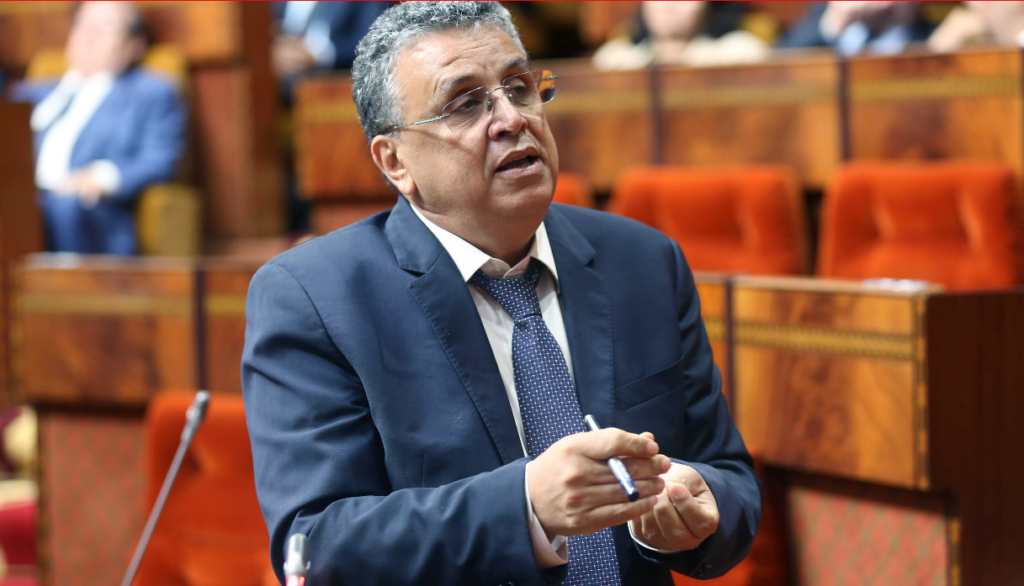
Morocco is preparing a legislative reform to strengthen its response to cybercrime by introducing clearer rules and tougher penalties for the spread of fake news that threatens public order. Justice Minister Abdellatif Ouahbi said the proposed legislation will target cases where false information causes panic, disrupts institutions, or undermines public stability.
The planned reform seeks to clarify the legal elements required to establish the offense, including both the material facts and the intent behind the dissemination of false information. It will also define the circumstances that justify harsher penalties, particularly when the consequences of misleading content have a significant impact on society.
The Ministry of Justice says the initiative is intended to address the fragmentation of Morocco’s current legal framework governing offenses committed through digital technologies. According to Ouahbi, the existence of several overlapping legal texts can complicate judicial enforcement and create uncertainty in legal proceedings.
Current Moroccan legislation already criminalizes the publication of false or misleading information, especially when distributed through information and communication technologies. Law No. 88.13 on the press and publishing regulates electronic and audiovisual media while establishing rules intended to limit the circulation of unlawful content.
Rather than creating an entirely new criminal offense, the reform aims to harmonize existing provisions and adapt them to the rapid evolution of digital communication. A central objective will be to establish a clear legal definition of fake news to distinguish deliberate disinformation from journalistic errors, personal opinions, satire, and legitimate public debate. The government considers this distinction essential to preserve freedom of expression while combating online disinformation.
The ministry also argues that advances in artificial intelligence have transformed the cybercrime landscape. Ouahbi cited online defamation, digital fraud, internet-based recruitment and manipulation, and the spread of false information among the emerging threats facing authorities.
Artificial intelligence can now generate convincing text, voices, photographs, and videos that are increasingly difficult to distinguish from authentic content. The rapid circulation of such material can, according to the minister, affect social stability, economic activity, public institutions, and the quality of democratic debate.
The reform also reflects Morocco’s broader international cooperation against cybercrime. Since joining the Budapest Convention on Cybercrime in 2018, the country has worked to align its criminal policies with international standards and improve cooperation in collecting and exchanging digital evidence.
Morocco further strengthened that commitment by signing the Second Additional Protocol to the Budapest Convention on May 12, 2022. The protocol is designed to facilitate cooperation between judicial and law enforcement authorities, particularly in obtaining electronic evidence linked to crimes involving foreign platforms, infrastructure, or suspects.
Alongside legislative measures, the government emphasizes prevention through media literacy and public awareness. Ouahbi stressed that criminal sanctions alone cannot effectively counter the spread of false information and highlighted the importance of ensuring citizens have access to reliable information.
The Ministry of Justice has participated in consultations organized by the Economic, Social and Environmental Council on combating disinformation and improving access to trustworthy information. Authorities are also expanding specialized training for professionals who assist cybercrime victims, with a focus on preserving digital evidence so it remains admissible during judicial proceedings.
The draft legislation will now move through Morocco’s legislative process before its final provisions are determined. Its ultimate impact will depend on how effectively it balances stronger measures against online disinformation with the protection of fundamental rights and freedom of expression in the digital environment.