Morocco inflation rises to 1.1% in second quarter 2026
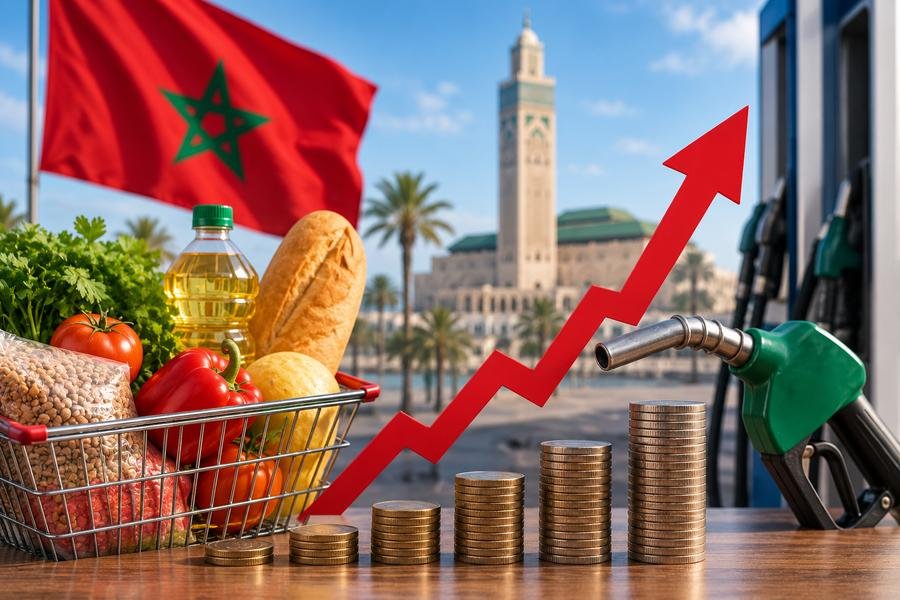
Morocco inflation returned to an upward trend during the second quarter of 2026, with consumer prices increasing by 1.1% year-on-year, according to estimates from the High Commission for Planning (HCP). The increase follows a period of relative price stability and reflects renewed pressure from energy costs alongside a slower decline in food prices.
Higher fuel prices were the main driver of the increase. Rising energy costs pushed up transport expenses and added pressure on household and business budgets. The HCP estimates that fuel prices contributed nearly 0.8 percentage points to overall inflation during the quarter.
As a result, non-food products recorded stronger price growth. Prices in this category rose by 2.5% compared with the same period a year earlier, up from 0.7% in the previous quarter. The increase highlights the broader impact of energy costs on everyday spending and production expenses.
Food prices continued to ease inflationary pressure, although their moderating effect weakened. Food prices declined by 0.7% year-on-year, compared with a 1.1% decrease in the previous quarter. The slower decline was partly linked to higher red meat prices, which offset decreases recorded in other food categories.
Underlying inflation also moved higher during the quarter. Excluding the most volatile components, core inflation improved from minus 1% in the first quarter to minus 0.2% in the second quarter. The change suggests a gradual normalization of pricing pressures across the economy.
The latest figures indicate a shift after several quarters of slowing inflation. While overall price growth remains moderate, the data underline Morocco’s exposure to fluctuations in global energy markets. Rising fuel costs continue to influence a wide range of goods and services across the economy.
Economic prospects for the coming months will depend largely on developments in international energy markets and domestic consumption trends. These factors are expected to play a key role in determining whether the recent increase represents a temporary rebound or the beginning of a more sustained inflationary cycle.